A comfy hard hat is not a luxury when you are spending ten hours in an excavator cab, walking a rebar deck, or climbing in and out of a service truck. It is a piece of personal protective equipment that stays on your head only if the fit, weight, sweat control, and adjustment system work together. I have watched operators remove helmets because pressure points became worse than the heat. That is not a preference problem. It is a jobsite exposure problem.
The iron does not care whether your helmet cost $25 or $90. Your neck, scalp, and attention span do. The right hard hat should meet the safety standard required for the work, then disappear into the background while you wear it. Here is what I inspect before recommending one to a contractor or fleet manager.
What makes a comfy hard hat comfortable?
Start with the suspension, not the shell color. A quality suspension spreads contact across the forehead, sides, and back of the head instead of concentrating pressure in one narrow band. Six-point and eight-point suspension systems can both work well; the number of attachment points matters less than how smoothly the webbing supports your head.
The adjustment wheel is another major factor. A ratcheting dial lets you tighten or loosen the helmet with gloves on, which matters when you move from a shaded cab into direct Arizona sun. Models from Milwaukee, MSA, Bullard, and Klein Tools commonly offer rear adjustment systems designed for quick changes. I want a dial that turns without binding, does not dig into the back of the skull, and holds its setting after repeated vibration.
A comfy hard hat also needs usable padding. Sweat-wicking brow pads reduce the wet band that starts slipping across your forehead by midmorning. Removable pads are easier to wash and replace than permanently glued cushions. Budget helmets often feel acceptable for the first hour, then develop a hot spot over the brow. That is where a small price difference becomes a daily irritation.

Ventilation, weight, and heat on the jobsite
Ventilation is useful, but it is not automatically better. Vented shells allow air movement and can reduce heat buildup while grading, roofing, or working around a running machine. However, vents are not appropriate for every electrical exposure, and a helmet with openings can provide different protection from a nonvented model. Follow the hazard assessment and the helmet manufacturer’s rating before choosing airflow over coverage.
Weight is easy to underestimate. A difference of a few ounces seems insignificant in a store aisle, but it becomes a lever on your neck after eight hours of looking up, down, and over your shoulder. A comfy hard hat should sit balanced rather than pulling forward when you attach a face shield, earmuffs, or headlamp. Try the complete setup, not just the bare shell.
I use a simple shop test. Wear the helmet for thirty minutes while walking, bending, and looking upward. Then add the hearing protection and eye protection normally used on that job. If the brow pad is soaked, the shell shifts when you look down, or the accessories pinch your ears, the fit is wrong. No marketing label fixes that.
Hard hat materials and safety ratings
Most modern helmets use high-density polyethylene or a more impact-resistant material such as ABS. The material affects weight, temperature behavior, accessory compatibility, and price, but it does not replace the required rating. In the United States, many industrial helmets are tested to ANSI Z89.1 requirements. Type I helmets are intended for protection from impacts to the top of the head; Type II helmets address top and lateral impacts. The correct selection depends on the hazards documented for your work.
A comfy hard hat is still a failure if it is expired, cracked, drilled, painted improperly, or modified outside the manufacturer’s instructions. Do not punch holes for a cable, swap in an unapproved suspension, or glue accessories to the shell. Those shortcuts can change how the helmet performs. Replace a shell after a significant impact, even if there is no obvious crack. Plastic can lose its protective capability without announcing the damage.
Inspect the suspension every shift. Look for frayed webbing, stretched anchor points, broken clips, and hardened padding. A replacement suspension often costs roughly $10 to $25, while a complete industrial helmet commonly falls between $25 and $100. Replacing the worn component is sensible only when the shell remains serviceable and the manufacturer approves that replacement.
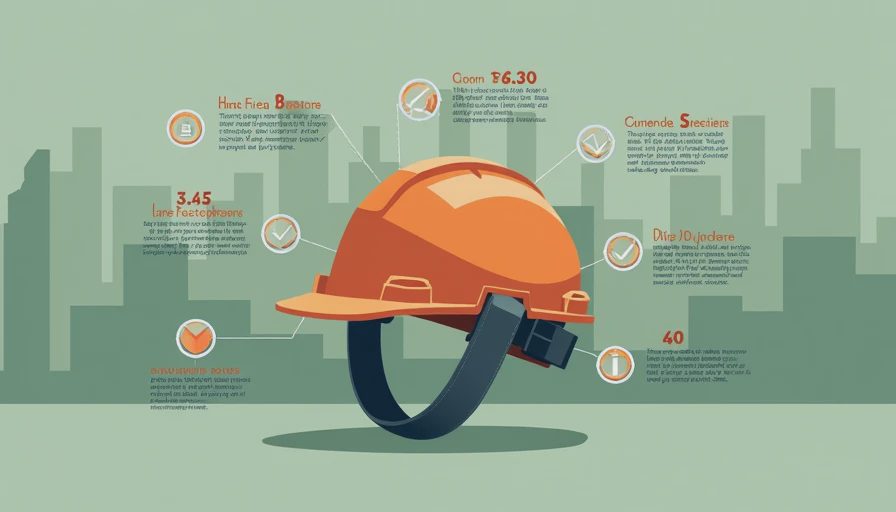
Fitting a comfy hard hat for real work
Fit the helmet with the sweatband sitting low on the forehead, not above the hairline. The shell should remain level, with enough clearance that it does not press directly against the top of your head. Tighten the rear dial until the helmet stays put when you shake your head, then stop. Over-tightening creates pressure and does not make the helmet safer.
Long hair, winter liners, and baseball caps complicate the adjustment. Do not wear a standard cap underneath if it changes the helmet’s position or blocks the suspension from working as designed. Use only liners listed as compatible with that model. If a worker needs a hood or cold-weather layer, test the complete combination before issuing it to the crew.
For contractors buying ten or more helmets, issue two or three different models for a one-week field trial. Ask workers to record forehead pressure, heat buildup, stability, accessory interference, and adjustment time at the end of each shift. A $70 helmet that stays on all day can protect productivity better than a $30 model that spends the afternoon on the dashboard.
Comparing popular hard hat options
Klein Tools helmets are often attractive to crews that want an integrated headlamp approach and a modern ratcheting fit. Milwaukee models commonly appeal to workers who use lighting and accessory systems on active jobsites. MSA and Bullard have long histories in industrial head protection and offer product families aimed at different hazards and configurations. These are starting points, not automatic winners.
The best comfy hard hat depends on the head shape, climate, accessories, and required rating. A vented construction helmet can feel excellent in dry heat but be unsuitable for a particular electrical task. A full-brim design can provide useful shade and rain coverage but feel heavier or interfere with some attachments. Compare the complete work system, including safety glasses, earmuffs, face shields, and winter gear.
Price is not a reliable comfort score. I have worn expensive helmets with poor brow geometry and inexpensive models that fit well. The test is contact pressure after several hours, not the first impression under fluorescent store lights. If your crew works in dust, wash removable pads regularly and keep a spare suspension in the service truck.
A field checklist before you buy
Confirm the required ANSI classification and whether the job involves electrical hazards, lateral impact, falling objects, heat, or chemical exposure. Check the shell for a date code, inspect the suspension, and verify that replacement parts are available. Put the helmet on with the accessories used every day. Walk, climb, bend, and look overhead. If the shell shifts, the dial loosens, or the brow pad creates a hot spot, move to another model.
For fleet managers, record the model, size, issue date, and inspection schedule. Keep a few replacement sweatbands and suspensions on hand rather than waiting for a worker to improvise a repair. For owner-operators, spend the extra minutes adjusting the fit before the shift starts. That habit costs nothing and usually does more for comfort than buying the most expensive shell on the rack.
A comfy hard hat should reduce distraction without compromising the protection your work requires. Choose the rating first, test the entire setup, and judge comfort after a full simulated shift. The helmet that stays correctly positioned at 4 p.m. is the one that passed the test.
Hours logged: 100-plus on active jobsites. Fit checks completed: enough to stop trusting first impressions. Parts replaced: sweatbands, suspensions, and one helmet retired after impact. Iron tested. Iron told.

00 Transmissions
No transmissions yet. Yours opens the channel.