A heavy equipment technician is the person you call when the machine still runs, but not well enough to trust. That matters more than most owners admit. A small hydraulic leak can turn into a failed pump, a loose undercarriage can eat rollers, and a warning light that gets ignored for two weeks can turn a $400 repair into a $4,000 one. On a working fleet, the right person saves hours, fluids, and parts before the bill gets ugly. I’ve spent enough time in dealer shops and test yards to know this: the iron doesn’t lie, but it does whisper before it breaks.
What a heavy equipment technician fixes before the machine quits
A heavy equipment technician spends a lot of time on the problems that never make it into the glossy sales brochure. That means hydraulic seepage at a fitting that keeps getting wiped off, a final drive that runs hotter than the others, a DEF fault that appears after the machine warms up, or an engine that starts hard only when the weather changes. The job is part diagnosis, part prevention, and part restraint. A good tech does not shotgun parts at a problem and hope it sticks. They test pressure, pull fluids, compare temperatures, read fault codes, and check for patterns.
That approach is why the best repairs cost less than the panic repairs. I’ve seen a simple filter restriction create symptoms that looked like a failing pump. I’ve also seen a worn swivel joint on an excavator mimic an electrical problem because the operator kept chasing intermittent behavior. A strong technician knows when to stop guessing. If the meter says 28 psi where the manual calls for 45, you have a direction. If the oil sample shows metal and the magnet is loaded, you have a different kind of direction. The fix starts with evidence, not confidence.
The daily rhythm in the shop and on the road
Most people picture a technician with a wrench in one hand and grease on the other, and that part is true. But the real work begins before the first bolt comes loose. A shop day often starts with inspection notes, service history, and a call from a foreman who needs one machine back before noon. A field service day may begin at 5:30 a.m. with a laptop, a multimeter, a pressure gauge, and a truck full of filters, hoses, and seals. If the machine is a Cat, Deere, Komatsu, Volvo, or Hitachi, the pattern is usually the same: confirm the complaint, isolate the system, and decide whether the repair can happen on site or needs a bay lift and cleaner access.
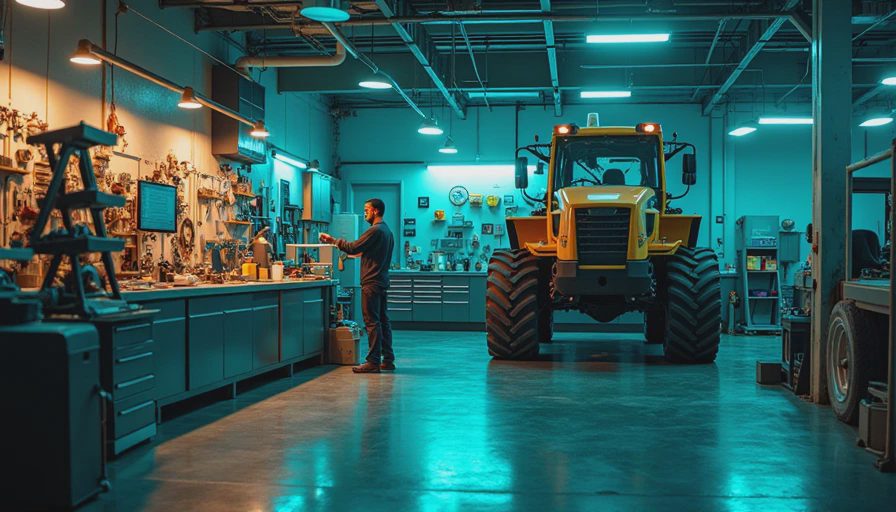
The best technicians are methodical because time is expensive. A service truck bill can start around $150 to $250 just to roll, and a serious field callout can move quickly past $1,000 once labor and parts are in the picture. That sounds steep until you compare it with a loader sitting idle while crews wait. For a contractor billing by the hour, one missed day can wipe out the savings from trying to stretch a repair. A heavy equipment technician earns trust by being accurate on the first pass, not by being the fastest person with a wrench.
What separates a paycheck technician from a problem solver
There’s a difference between turning bolts and actually solving problems. The first person can replace a starter, swap a sensor, or install a hose. The second person asks why the starter died, why the sensor failed, or why that hose keeps rubbing through at the same bend point. That difference matters when the machine is older, the hours are high, and the owner needs another season out of it. I’d rather see a technician spend 30 more minutes tracing a cause than replace three parts because the symptom looked familiar.
Pay reflects that gap. In many US markets, entry-level diesel and equipment techs may start in the $25 to $35 per hour range, while experienced field technicians with diagnostic skill, welding ability, and electrical competence can push into the $40s or higher. Mobile work often pays more because the technician carries the cost of speed, weather, and road time. The expensive part is not the wage. The expensive part is hiring someone who can’t tell a wiring fault from a hydraulic one until the machine has already cost you a week.
How to hire a heavy equipment technician without getting burned
If you are hiring, look for evidence that the person can think under pressure. Ask what they do first when a machine loses travel power, overheats under load, or throws an intermittent fault code after warm-up. A good answer usually includes symptoms, tests, and sequencing. A weak answer jumps straight to parts. Also ask about the equipment they have actually worked on. A heavy equipment technician who has spent years on excavators may still be sharp on loaders, but you want to know where the experience is deep and where it is thin.
It also helps to separate dealership support from independent field service. Dealers often have better access to proprietary diagnostics, technical bulletins, and factory training. Independent technicians can be faster, more flexible, and cheaper on straightforward work. For a fleet manager, the smart move is not loyalty to one label. It is matching the problem to the person. If you need software updates, emissions troubleshooting, or warranty documentation, dealer support is hard to beat. If you need a hydraulic hose replaced in a wash plant at 6 a.m., a mobile independent may save the day.

When the callout fee is cheap compared with downtime
Here is the math most owners learn the hard way. If a technician charges $175 an hour and spends three hours diagnosing a fault before ordering a single part, that bill can still be the cheap option. If the wrong sensor, hose, or valve gets installed first, the bill climbs and the machine keeps sitting. I have watched a small warning ignored on an older dozer snowball into a weekend job with a tow, a final drive seal, and a fluid flush. The repair invoice was painful, but the lost production was worse.
A heavy equipment technician is worth real money when they shorten the path from problem to proof. That is the whole job. Not drama, not guessing, not parts roulette. Proof. Then repair. Then verification. If you own iron, manage a crew, or are buying used equipment, treat that skill like insurance you can actually see working. A good technician protects uptime, resale value, and your sleep.
If you are trying to choose who should touch your machine next, start with the person who can explain the fault in plain English and back it up with numbers. Hours logged: 0 here, because this is the business of the trade, not a single test rig. But the rule still stands: find the right heavy equipment technician, and the repair gets smaller before it gets expensive.

00 Transmissions
No transmissions yet. Yours opens the channel.