A good heavy machinery mechanic does more than swap parts and hand back a key. The job is to find the failure before it turns into a crater in your schedule. On a jobsite, that means listening for a pump that sounds coarse under load, reading the oil sample before the filter plugs, and knowing whether a leak is a hose issue or a sign the system is eating itself. If you run excavators, dozers, loaders, or haul trucks, the right mechanic protects uptime, resale value, and the number that matters most: cost per hour.
The best heavy machinery mechanic starts with symptoms, not guesses. A machine that starts hard, runs hot, or loses hydraulic response is telling a story. So is a boom that drifts overnight, a final drive that grows louder every week, or an electrical fault that only shows up after the cab shakes on rough ground. Good diagnosis is worth money because the wrong repair is expensive twice: once in parts, and again when the machine sits.
What the first inspection should uncover
The first hour should be a survey, not a parts swap. A proper inspection checks fluid condition, visible leaks, belt wear, hose abrasion, battery health, fault codes, and the undercarriage or tires that actually carry the load. On a Caterpillar 336 or a Komatsu PC210, I want to know whether the wear pattern is normal for the hours on the meter or whether the machine has been running with a hidden problem for months. That is where a heavy machinery mechanic earns the paycheck: by separating normal wear from damage.
I have seen a $400 hose turn into a $14,000 hydraulic repair because the system kept running dirty after the first leak. I have also seen a machine labeled "bad transmission" turn out to be a failed solenoid and a clogged connector. The difference is not luck. It is method. Check the fluids, pull the codes, inspect the harness, and measure pressure before you buy a pump, a valve, or a replacement gearbox.
A sharp mechanic also knows the cost of delay. A day lost on a mid-size excavator can mean a crew standing around, a rented machine arriving late, and a subcontractor waiting on your schedule. Once that happens, the repair bill is no longer just the repair bill. It is labor, mobilization, and the work you cannot invoice because the iron is parked.
Where downtime gets expensive fast
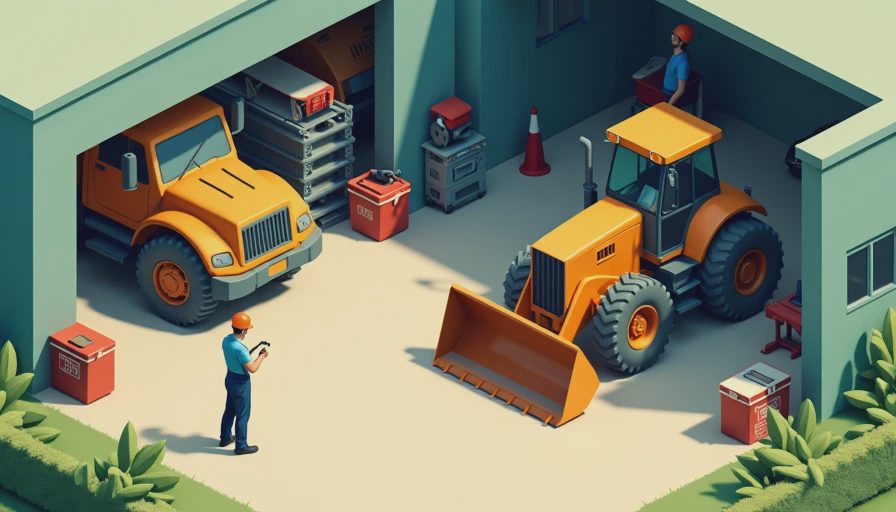
Downtime hurts most when the machine is already committed to a job. A dozer with a weak steering clutch may still crawl, but it will do it slowly and with more heat, more wear, and less confidence from the operator. A wheel loader with a failing fan drive might look fine until the engine starts derating in the middle of a hot afternoon. A heavy machinery mechanic who understands those patterns can tell you whether the fix is a same-day service call or a teardown that should not be rushed.
The numbers get ugly in a hurry. A hose and fitting job might run a few hundred dollars. A final drive repair can land in the several-thousand-dollar range. A hydraulic pump replacement or a major engine issue can push far higher, especially once freight, cleanup, and labor are added. That is why serious owners keep oil samples on file and track repair history by hour, not by memory. Memory is useful for stories. It is terrible for purchasing decisions.
This is also where used equipment buyers get burned. A clean paint job can hide a tired cooling package, a washed-out frame, or a machine that has already been through two owners and three repair shops. If you are looking at an auction lot or a dealer trade-in, bring someone who knows where the expensive failures live. One afternoon with a borescope, a pressure gauge, and a flashlight can save a six-figure mistake.
How to spot the right person before you hand over the keys
A good shop does not impress you with buzzwords. It impresses you with the questions it asks. The first call should include machine make and model, serial number, hours, symptoms, recent work, and whether the failure is constant or intermittent. A heavy machinery mechanic who skips those basics is guessing. Guessing is fine on a card game. It is not fine on a loader that has to move rock by sunrise.
You want the person who talks in cause and effect. If the machine loses power only when hydraulic oil gets hot, that points in one direction. If the fault appears after washdown or rain, that points in another. If the machine has been topped off with the wrong fluid, the repair path changes again. The right mechanic can explain that in plain English and tell you what the test will prove before anyone starts unbolting covers.
Ask how they confirm a failure. Listen for pressure testing, oil analysis, electrical tracing, and proper inspection of wear items. If the answer is just "we'll see what we find," keep looking. There is a difference between experience and improvisation. Experience follows the evidence.
When a teardown is smarter than another patch job
There comes a point when the cheap fix is the expensive one. If a machine has repeated contamination, metal in the filters, or a history of overheating, another patch can buy a few more shifts and then set you up for a larger failure. That is when a heavy machinery mechanic should talk honestly about whether the best move is repair, rebuild, or replacement.
I have seen owners spend $6,000 to keep a tired machine limping, then spend another $18,000 three months later because the root cause never got addressed. I have also seen a disciplined teardown uncover a worn bearing, a damaged gear train, and a cooling issue all at once, which let the owner plan the repair instead of getting ambushed by it. Planning matters. Planned downtime is annoying. Unplanned downtime is what breaks schedules and margins.
If you manage a fleet, the smartest move is to build a relationship before the crisis. Keep a short list of shops that document findings, photograph failures, and explain the next step without drama. If you are an owner-operator, ask for the same thing. The right mechanic should make you more informed after ten minutes, not more confused.
That is the real value here: less guessing, fewer surprise failures, and better decisions on whether to fix, sell, or buy. The iron doesn't lie.
If you need a heavy machinery mechanic, start with the one who can explain the failure, the cost, and the risk in the same conversation. That is the difference between buying a repair and buying a solution.

00 Transmissions
No transmissions yet. Yours opens the channel.