A remote excavator operator is not sitting in a cab, breathing dust and heat, but the job still comes down to the same thing: moving iron with judgment. I have spent enough time around equipment to know that the machine only looks simple from across the fence. Once you put cameras, joysticks, delayed signal, and a live site into the mix, the operator has to be sharp on grade, bucket feel, swing timing, and ground conditions. That is why contractors who treat teleoperation like a gimmick usually pay for it twice, once in training and again in mistakes.
What a remote excavator operator actually does
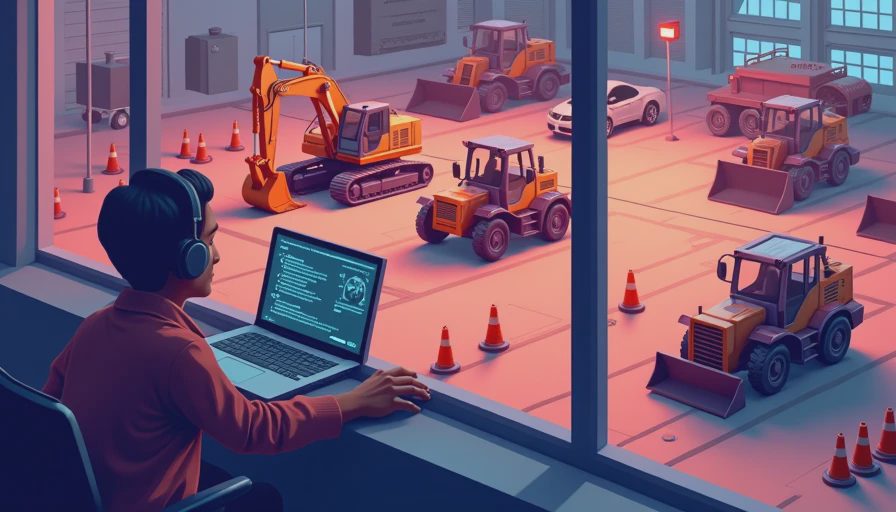
A remote excavator operator runs the same basic controls as any other operator, but the body is somewhere safer, drier, and usually farther from the noise. On a serious setup, the operator works from a console in a trailer, a container, or a protected station with multiple camera views, machine data, and emergency stop control. The good ones do not just stare at a screen and hope for the best. They read bucket angle, keep the house centered, and understand how the boom reacts when the soil goes from clay to broken rock. That is still craft, not video game play.
The best operators I have seen in this space already know conventional iron, because teleoperation punishes sloppy habits. If you are late on the controls by half a second, you will feel it in the cut. If the camera angle is poor, you need a plan before the pile becomes a blind spot. That is why I would rather hire a seasoned foreman with a clean safety record than a flashy operator with a thousand hours of easy dirt and no discipline. The machine does not care who is in the chair. It only responds to timing, signal quality, and good habits.
Where the money goes when you add remote control
The price of remote work is not just the machine. A contractor can easily spend $30,000 to $100,000 or more on a remote-control package, camera system, communications gear, and integration, depending on the excavator and how far from stock the setup has to go. Caterpillar Command for Excavation is the name most people recognize, but other OEMs and integrators have similar teleoperation paths. Add training, spare cameras, clean power, and a backup plan for signal loss, and you start to see why this is usually bought for safety or productivity, not for novelty.
Labor is the other line item. A skilled remote excavator operator is often paid like a senior operator, not a beginner, because the learning curve is real. In many U.S. markets, that means something in the high 20s to mid 40s per hour, with better money on shutdowns, mining work, and specialty demolition. That range is not a brochure number; it reflects the fact that one bad move in a remote zone can stall the whole crew. If the system keeps a person out of a collapse zone or contaminated area, the cost starts to look small fast.
When remote control beats sitting in the cab
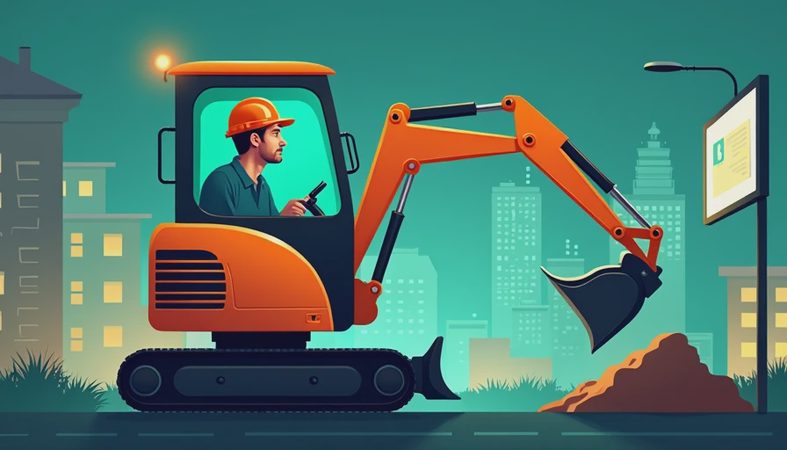
I like remote control for four kinds of work: unstable ground, demolition, contaminated material, and places where visibility is awful. If the cut wall is soft, the trench edge is cracking, or the site is full of dust and flying debris, sending a body into the seat is asking for trouble. A remote excavator operator can work from outside the hazard zone while the machine does the ugly part. I have seen that pay off on slope cleanup after rain, utility work near buried infrastructure, and demolition where the structure is moving in ways nobody wants to trust from the cab.
It also helps when the site rules are brutal. A mine, a landfill, or a chemical cleanup job may require keeping people out of the immediate work envelope. In those cases, teleoperation is not a luxury. It is the only sensible way to keep production moving without gambling on the wrong kind of close call. The tradeoff is that visibility has to be engineered, not hoped for. Cameras need to stay clean, comms need low lag, and the operator needs a clear escape procedure if the picture goes dark or the machine loses signal.
What to ask before you hire or buy
If I were screening a remote excavator operator, I would ask three things right away: what machine brands have you run, how did you handle camera blind spots, and what do you do when the link starts to lag. A good answer is specific. It should mention bucket control, swing coordination, emergency stop procedure, and how the operator works with the ground spotter. The wrong answer sounds like confidence with no details. On a live site, that is expensive. The person in the seat still needs the discipline of a conventional operator, plus enough patience to work through a screen without forcing the machine.
If I were buying the system, I would ask about redundancy before I asked about speed. What happens if a camera fails, the network drops, or the control station loses power? Can another operator take over without a long reset? Is there enough resolution to see the teeth, the trench edge, and nearby workers? Those are not small questions. They decide whether teleoperation makes the job safer or just moves the risk into a different corner of the site.
How to get started without wasting a season
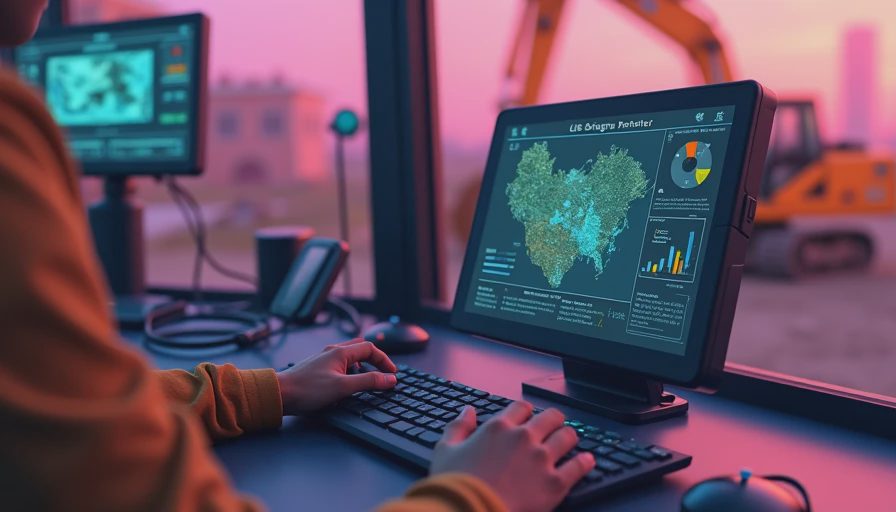
For a contractor, the smartest way to start is not with a giant rollout. Pick one machine, one operator, and one job type where the hazard is obvious. Build from there. For an operator, the smartest path is the same: log hours in a controlled environment, practice on real material, and learn how the machine feels when the camera view is less than perfect. A remote excavator operator who has never worked around dust, glare, or vibration is not ready for production work, no matter how good the console looks on day one.
If you are hiring for a remote seat or spec'ing a teleoperation package, keep your eye on the same things I check in the yard: visibility, uptime, maintenance access, and whether the crew can keep working when the pretty demo ends. The iron doesn't lie. It will tell you quickly whether the system is built for real dirt or just good marketing. Hours logged: enough to know the gap between a clean brochure and a hard job. Fluid samples pulled: the kind that remind you every machine has limits. Parts replaced: the ones that prove the lesson. Iron tested. Iron told.

00 Transmissions
No transmissions yet. Yours opens the channel.