
The top heavy equipment for most earthmoving contractors starts with the job, not a badge: an excavator for digging, a wheel loader for moving loose material, and a dozer for pushing and grading. For an excavator shortlist, consider the Caterpillar 320 for a general earthmoving fleet, the Komatsu PC210 for contractors comparing dealer support in the same broad class, and the Volvo EC220 for buyers who want another established excavator line in the mix. Compare the exact configurations and local service response before signing. These are starting points, not rankings from a durability test.
A machine that costs less on the purchase order can cost more per productive hour if it sits waiting for a hose, a technician, or an undercarriage. The iron doesn't lie, but a good buying decision needs more than a walkaround and an hour meter.
Match the machine to the work
Among top heavy equipment choices, excavators are the most versatile starting point when trenching, foundations, demolition, and truck loading are the daily work. Size one around the heaviest common lift and the depth and reach you actually need. Check the manufacturer's lift chart for the specific boom, arm, counterweight, and machine position; a rated lift changes with reach and operating conditions. If lifting is central to the job, verify attachment weights and required lifting equipment too.
A wheel loader makes more sense where the work is repetitive loading, stockpiling, or moving aggregate over short distances. Look at the Caterpillar 950, Komatsu WA380, and Volvo L120 lines when comparing machines for that role. Bucket choice and material density matter: a bucket sized for loose material may overload a machine when filled with heavier material. Ask the dealer to match bucket capacity and tire selection to the actual material and haul surface.
Dozers earn their place when the work calls for sustained pushing, spreading, and shaping rather than digging below grade. Caterpillar D6, Komatsu D65, and John Deere 700 series machines are worth comparing for contractors shopping a conventional crawler dozer. They are not interchangeable in every configuration. Check transport dimensions, blade options, ground conditions, and grade-control compatibility on the specific machine.
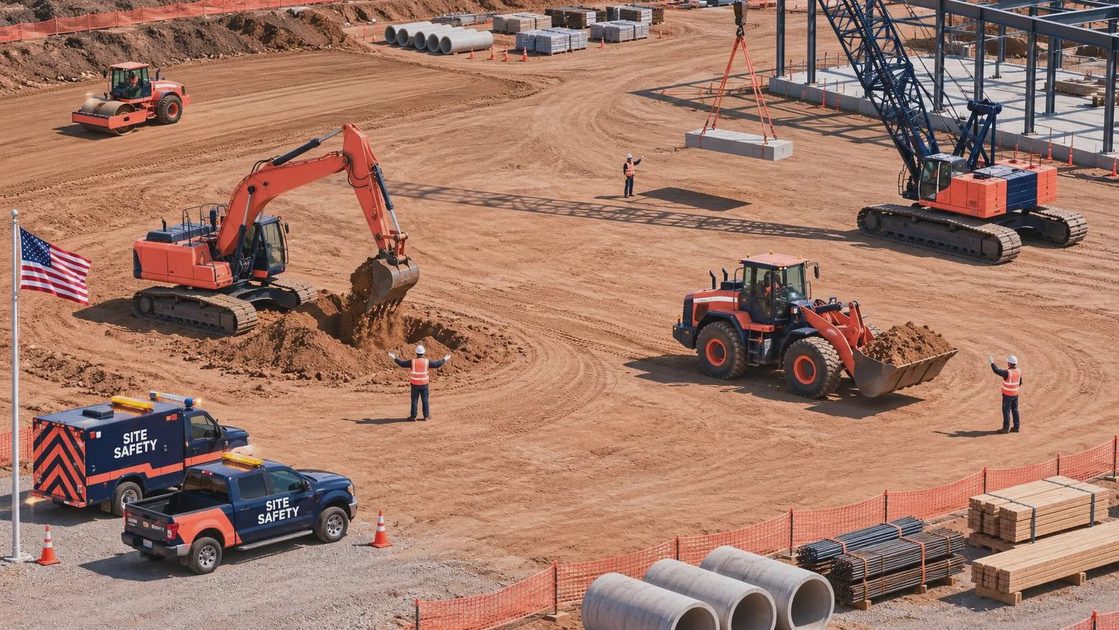
Compare top heavy equipment by the workday
A skid steer or compact track loader can be the better buy on a small site, even when a larger loader looks more productive on paper. Bobcat's compact loader range, Caterpillar's compact loaders, and John Deere's compact loaders give buyers established lines to investigate. Match the machine to the attachments and ground conditions: tracks can help spread weight on soft surfaces, while tires may be preferable on hard, abrasive ground. Tracks, rollers, and tires all wear; the operating surface decides which bill hurts more.
For road building and finish work, a motor grader has a different job from a dozer. It gives the operator blade reach and control for shaping and maintaining a surface. Don't buy one expecting it to replace a crawler on heavy push work. Equally, a grader may be unnecessary for a contractor who only needs occasional finish grading and can rent one with an experienced operator.
The right size is the one that keeps the whole spread moving. An oversized excavator loading small trucks may spend its day waiting. A loader that is too small can leave trucks queued at the pile. Estimate loads per truck and cycle time with the material, haul distance, and truck bodies you plan to use. Then rent or arrange a representative demonstration if those estimates are close. A short demo can check fit; it cannot establish long-term reliability.
Calculate ownership cost per productive hour
Top heavy equipment should be judged on total cost, not the monthly payment alone. Build a simple estimate using purchase price, expected resale value, financing, insurance, scheduled service, wear parts, repairs, fuel, and transport. Subtract estimated resale value from purchase price, add the other expected costs, and divide by expected productive hours. Keep the assumptions visible so you can change them.
For example, suppose depreciation, financing, maintenance, repairs, fuel, insurance, and transport together total an estimated $180,000 over 3,000 productive hours. That works out to $60 per productive hour before operator wages and other job overhead. It is an illustration, not a market price or a promise. Add the operator and overhead if you need a fully burdened job rate.
Productive hours deserve attention. Engine-meter hours include idling and other time that may not earn revenue. Estimate both engine hours and billable or productive hours, and make sure maintenance intervals and fuel assumptions use the appropriate measure. If one machine burns more fuel but finishes the same work faster, compare fuel per unit of material moved, not just gallons per engine hour.
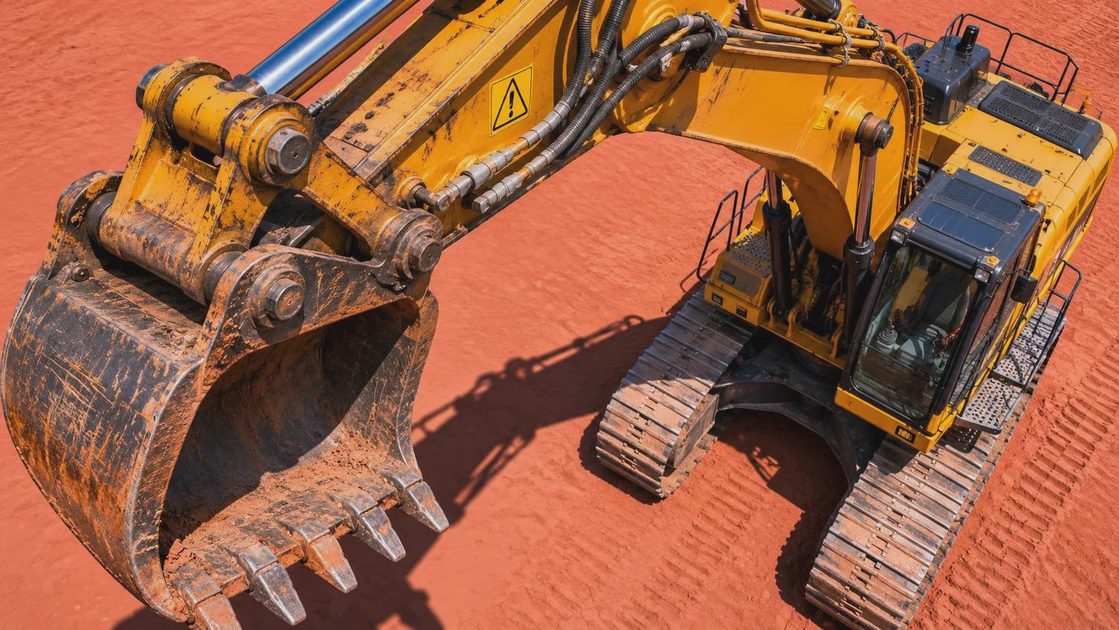
Downtime belongs in the calculation, but don't pretend you know it precisely. Ask what a lost shift costs your operation, including idle crew and rented replacement equipment where applicable. Run a low and high scenario. A strong dealer response is worth money only if it is available where the machine will work.
Inspect used iron before the deposit
The best-looking top heavy equipment on an auction lot can have expensive problems under fresh paint. Start with service records and the serial number. Confirm the machine's identity, configuration, and any applicable liens; ask about major repairs, fluid changes, and hour-meter replacement. Missing records aren't proof of abuse, but they increase uncertainty and should affect your offer.
Inspect a cold machine if possible, then bring it to operating temperature safely. Look for leaks, damaged wiring, cracked welds, and loose pins or bushings. On an excavator, inspect the boom, stick, bucket linkage, swing area, and undercarriage. On a dozer, pay particular attention to track components, final drives, blade linkage, and structural repairs. Wear limits and measurement methods vary, so use the manufacturer's procedures or hire an inspector with the correct information.
Slow hydraulics after warm-up are a symptom, not a diagnosis. Possible causes include leakage, control problems, or pump wear. Have a qualified technician check pressures and flow according to the service procedure before pricing a repair. A fluid sample can add useful evidence, especially alongside a service history and repeat samples, but one result alone cannot certify a machine as healthy.
Put support in the purchase agreement
Before choosing between top heavy equipment candidates, call the servicing dealer with the serial number or proposed configuration. Ask about technician coverage at your jobsite, travel charges, common service parts, diagnostic access, and typical response expectations. Get warranty coverage and exclusions in writing, including who pays travel and what happens if the machine is working outside the selling dealer's territory.
Finally, involve the operator in the comparison. Visibility, access to the cab, control layout, attachment changes, and daily service points affect the work every shift. Those observations won't replace a mechanical inspection, but they can expose a poor fit before it becomes your crew's problem. Choose the machine and support package that can do the work profitably—not the one with the loudest brochure.


00 Transmissions
No transmissions yet. Yours opens the channel.