If you have only watched an excavator load a dump truck, you have seen about 10 percent of the job. The real answer to what do heavy equipment operators do includes planning, machine inspection, grade control, communication, production targets, and protecting expensive iron from avoidable damage. I have trained technicians and watched operators work in Arizona heat, copper country, and rough civil sites. The good ones do not simply move dirt. They manage risk, time, fuel, and machine condition from the cab.
The main job: control the machine and the work
Heavy equipment operators run excavators, bulldozers, wheel loaders, motor graders, skid steers, scrapers, compactors, and other machines used to move, shape, lift, or process material. An excavator operator may dig a utility trench to a specified depth, place spoil safely, and load trucks without striking buried lines. A dozer operator may cut a slope, spread fill in controlled lifts, or finish a pad within a tight elevation tolerance. A loader operator must fill trucks efficiently while avoiding tire damage, bucket shock, and unnecessary travel.
That work requires more than moving joysticks. Operators read site plans, stakes, laser signals, GPS displays, and instructions from a foreman or grade checker. They choose a travel path, judge ground conditions, watch nearby workers, and adjust technique when material changes from dry sand to wet clay or fractured rock. A skilled operator makes the machine productive without abusing the engine, hydraulic system, final drives, or undercarriage.
The best way to understand what do heavy equipment operators do is to watch the complete cycle. They inspect the work area, position the machine, perform the task, verify the result, and reset for the next pass. A few seconds saved on every cycle can add hours of production across a shift, but rushing a blind swing or overloaded bucket can create a much larger repair bill.
What happens before the engine starts
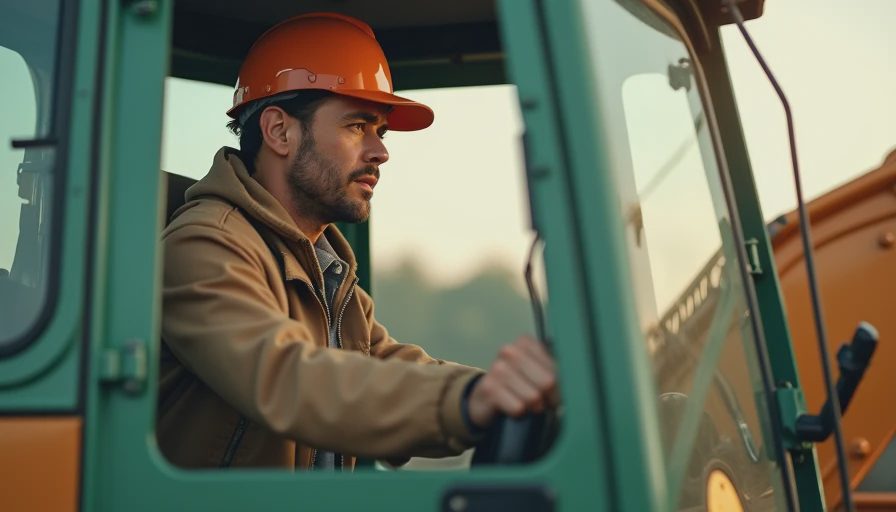
A professional starts with a walk-around, not a key. The operator checks engine oil, coolant, hydraulic oil, fuel, leaks, hoses, pins, bushings, tracks or tires, cutting edges, bucket teeth, lights, mirrors, cameras, alarms, and access steps. On a machine with central grease points, the operator confirms that the automatic lubrication system has grease and that lines are not damaged. A five-minute inspection can identify a loose hose clamp before it becomes a $2,000 cleanup and lost production event.
The operator also studies the jobsite. Where are overhead lines, soft shoulders, trenches, traffic lanes, and pedestrians? Is the haul road wide enough for the loaded trucks? Can the machine swing without entering an exclusion zone? A pre-start meeting may cover spotter signals, emergency procedures, weather, blasting windows, and the sequence of work.
This is where what do heavy equipment operators do separates into technical work and judgment. The manual explains controls and limits. It cannot see the washed-out edge of a pond, the buried concrete nobody marked, or the worker standing behind a blind spot. That awareness comes from training and disciplined habits.
Controls, production, and precision
During the shift, operators use both hands, both feet, and constant visual feedback. They feather hydraulic controls instead of slamming functions to the stops. They maintain a stable platform, keep loads within rated limits, and avoid side-loading attachments. In a dozer, small blade adjustments prevent waves and reduce rework. In a grader, steering, articulation, blade angle, and cross-slope must work together. In an excavator, swing speed and bucket positioning determine whether trucks wait or stay loaded.
Modern machines add cameras, payload scales, telematics, machine control, and GPS guidance. These tools improve accuracy, but they do not replace an operator. A display can show elevation; it cannot always explain why the blade is bouncing or why a track is sinking. Operators still interpret the surface, listen for changes, and communicate with ground crews by radio or agreed hand signals.
Productivity is not just cubic yards per hour. Fuel burn, tire or track wear, idle time, hydraulic temperature, and rework matter too. An operator who finishes a pad correctly on the first pass can outperform a faster-looking operator who leaves uneven material behind.
Maintenance awareness is part of the job
Operators usually are not responsible for major repairs, but they are the first line of defense. They notice a pump whine, a drifting boom, a transmission hesitation, a hot final drive, an unusual vibration, or a warning light. Reporting the symptom early gives a technician useful evidence. “It feels weak” is less helpful than “the boom slows after the oil reaches operating temperature, and the hydraulic filter restriction light flickers under load.”
What do heavy equipment operators do when a warning appears? They follow the company’s shutdown and reporting procedure rather than guessing. Some warnings require stopping immediately; others allow the machine to move to a safe location. Continuing to run with low coolant, severe hydraulic leakage, or abnormal oil pressure can turn a manageable repair into an engine or pump replacement.
Good operators also record hours, fuel, attachments, unusual conditions, and damage. Those notes help fleet managers compare machines and identify patterns. If three operators report the same swing hesitation at similar temperatures, that points toward a system problem, not three unrelated mistakes.
Training, licenses, and jobsite communication
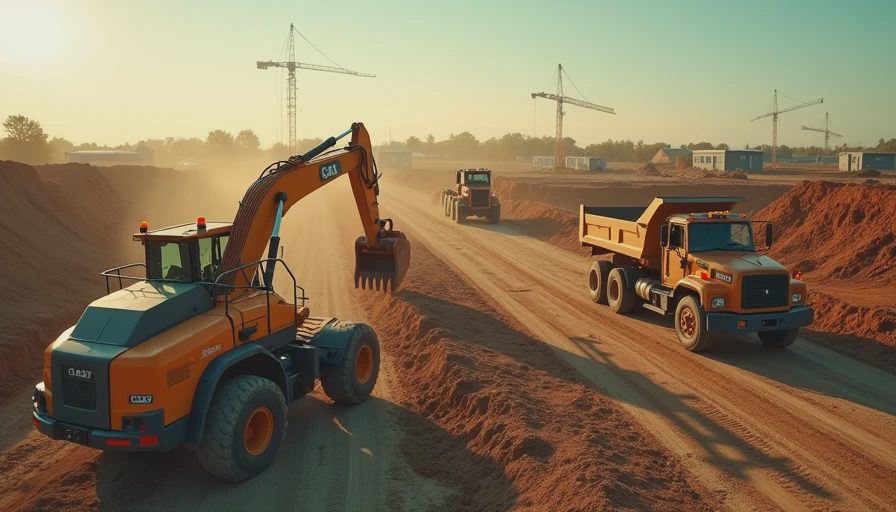
There is no single national license that covers every construction machine, but employers commonly expect equipment-specific training, documented qualification, and a strong safety record. Apprenticeships, trade schools, union programs, manufacturer courses, and supervised field experience can all build the necessary skill. OSHA rules and company policies govern many aspects of powered equipment operation, signaling, fall protection, and site safety. Requirements vary by equipment and worksite, so training must match the actual machine.
A new operator should learn from a qualified trainer, begin with low-risk tasks, and practice shutdowns, attachment changes, grade work, and emergency communication. Experience on a compact track loader does not automatically qualify someone to run a 90,000-pound excavator. The controls may look familiar, but stability, swing radius, stored hydraulic energy, and consequence of error are different.
Communication is another major responsibility. Operators coordinate with truck drivers, laborers, survey crews, spotters, and supervisors. They stop when signals are unclear. They make eye contact where possible, use radios correctly, and never assume a person has seen the machine. Understanding what do heavy equipment operators do means recognizing that a safe stop is productive; a struck worker or damaged utility can shut down a project for days.
Pay, work conditions, and choosing the trade
Pay depends on region, machine type, experience, union coverage, overtime, travel, and the industry served. A beginner may start near the lower end of local construction wages, while experienced operators handling graders, large excavators, production dozers, or mining equipment can earn substantially more. Benefits, per diem, seasonal schedules, and prevailing-wage work can change the total package as much as the hourly rate.
The work is physical and repetitive, even inside a climate-controlled cab. Operators deal with dust, noise, vibration, heat, cold, long shifts, uneven schedules, and pressure to keep trucks moving. A strong safety culture matters. So do a well-maintained seat, functioning air conditioning, clean windows, good lighting, and a supervisor who does not reward reckless production.
For someone considering this career, start by visiting a contractor, equipment rental yard, or trade program. Ask what machines new hires actually run, how training is documented, what the maintenance reporting process looks like, and whether overtime is consistent. Watch the fleet during a full shift, not just a polished demonstration. The iron doesn't lie, and neither does a cab covered in warning lights.
In practical terms, what do heavy equipment operators do? They turn plans into finished ground while protecting people, machines, and schedules. They inspect before work, operate with precision, monitor conditions, report faults, and leave the site ready for the next crew. That combination of judgment and control is why a dependable operator can save far more money than a small difference in hourly pay.
Hours logged: enough to know the difference between a smooth cycle and a hidden problem. Fluid samples pulled: every time the data called for one. Parts replaced: only after the evidence pointed there. Iron tested. Iron told.

00 Transmissions
No transmissions yet. Yours opens the channel.