Bulldozer transmission repair skills training hydrostatic vs mechanical is not classroom trivia. It is the difference between finding a failed charge pump in an afternoon and replacing a transmission that still had usable life. I have watched both mistakes happen in dealer shops and contractor yards. The machine tells you what failed if you know where to listen, what pressure to measure, and how to read the oil.
A mechanical powershift transmission uses gears, clutch packs, shafts, and hydraulic controls to send engine torque to the final drives. A hydrostatic system uses pumps, motors, valves, and oil flow to control ground speed and direction. Both can push a blade through hard ground. Their failures do not sound, test, or price out the same way.
Start with the system, not the symptom
The operator may report the same complaint in either machine: weak travel, slow direction changes, or a bulldozer that will not climb a grade. That description is only the starting point. On a mechanical transmission, slipping clutch packs, low control pressure, worn discs, or a damaged torque converter can cause the complaint. On a hydrostatic drive, the likely suspects include a worn piston pump, low charge pressure, an overheated motor, a leaking control valve, or contaminated oil.
This is why bulldozer transmission repair skills training hydrostatic vs mechanical should begin with system identification. Find the transmission tag, hydraulic schematic, service manual, and pressure specifications before removing a cover. A D6-sized powershift machine may have several test ports and clutch circuits. A hydrostatic dozer may have separate propulsion pumps, charge circuits, flushing valves, and electronic controls. Guessing wastes parts and labor.
The first field check is simple. Record the complaint, engine speed, operating temperature, travel direction, slope, and whether the problem appears cold, hot, or continuously. A failure that appears only after 45 minutes points toward heat, internal leakage, or oil viscosity more strongly than a gear with a broken tooth.
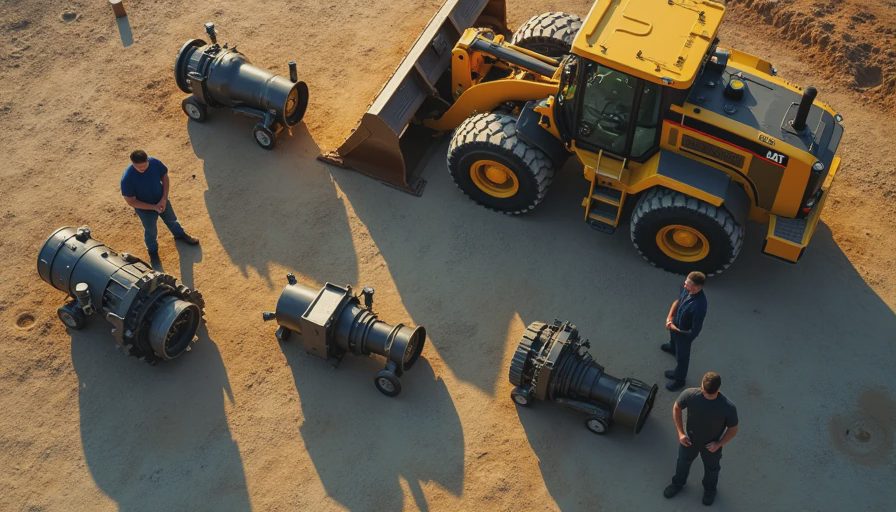
Mechanical transmission training: pressure, clutch, and gear evidence
Mechanical systems reward disciplined testing. Connect a calibrated gauge to the specified clutch or converter test port, then compare pressure at idle, rated engine speed, forward, reverse, and each range. A pressure that drops only when hot can indicate internal clutch leakage, a weak pump, or a relief valve problem. Do not condemn the pump until the filter, suction screen, oil level, and inlet seals have been checked.
A burnt odor and dark friction material in the filter support clutch damage, but they do not identify which pack failed. A technician should isolate the circuit, inspect the control valve, and measure clutch pack clearance during teardown. Excessive clearance allows piston travel before the discs engage. The operator experiences flare or slipping; the repair bill experiences a full clutch rebuild, seals, steels, and often a torque converter inspection.
For a used powershift dozer, I want a hot oil test, not a five-minute auction-lot drive. Run every direction and range under load. Listen for a delayed engagement, harsh shift, or engine flare between ranges. A machine that travels well cold but loses fourth gear after an hour is telling you more than a clean paint job ever will. Depending on model and access, a proper rebuild can run from roughly $8,000 to more than $25,000 in parts and labor.
Hydrostatic transmission training: flow, heat, and contamination
Hydrostatic diagnostics start with charge pressure, case drain flow, loop pressure, and temperature. The exact specifications belong to the manufacturer’s service information; universal numbers are dangerous. A technician should install the correct gauges, confirm oil cleanliness, and test the machine at a controlled load. Low charge pressure can starve the main pump and motor. Excessive case drain flow can reveal worn rotating groups before the machine stops moving.
Hydrostatic systems are less tolerant of dirty oil than many mechanical transmissions. A damaged piston shoe, failed flushing valve, or contaminated control spool can circulate debris through expensive components. Pull an oil sample and inspect the filter media. Shiny steel, brass-colored particles, or unusual black friction material each change the next diagnostic step. Replacing a pump without cleaning the circuit can turn one failure into three.
This is the practical heart of bulldozer transmission repair skills training hydrostatic vs mechanical. A trainee must learn to distinguish pressure from flow. Pressure shows resistance or available force; flow shows how much oil the circuit can actually deliver. A gauge that looks acceptable at no load does not prove that a pump will maintain flow when the dozer is pushing.
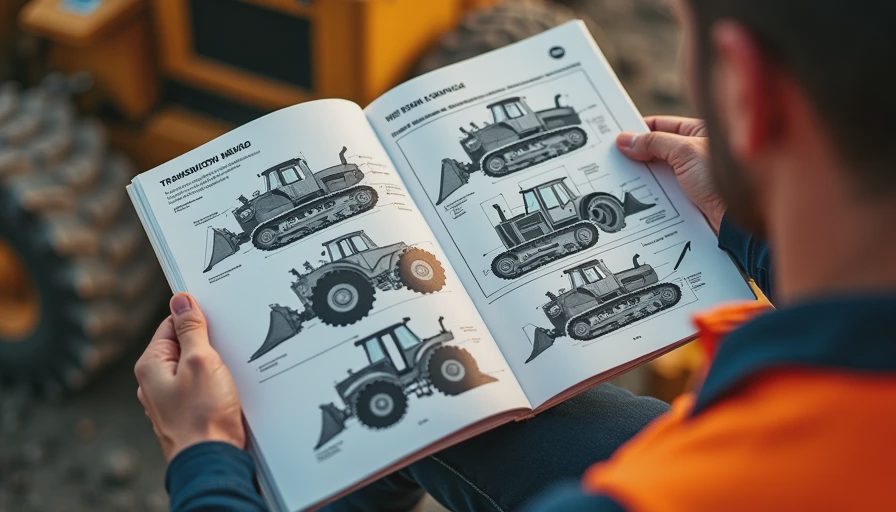
What hands-on training should include
Good training puts a technician beside a running machine, not just in front of a slide deck. The student should identify components from a schematic, install test equipment without introducing leaks, document baseline readings, and explain the result before replacing anything. A practical exercise might include a machine with low travel power, a restricted filter, and a separate electrical fault. The correct repair starts with separating those conditions instead of blaming the transmission.
Training should also cover cleanliness. Cap every disconnected line, clean fittings before opening a circuit, use lint-free materials, and protect replacement components until installation. One grain of abrasive material is not a dramatic event in a bucket, but it can damage a hydrostatic valve or pump control surface. For mechanical units, correct clutch clearance, torque sequence, seal installation, and end-play measurement deserve the same attention.
Ask whether a course teaches the brands and models your fleet actually runs. Caterpillar, Komatsu, John Deere, and Liebherr systems share principles, but their test ports, electronic controls, calibration routines, and rebuild procedures differ. A general course can establish fundamentals; model-specific service information finishes the job.
Choosing between repair paths and buying decisions
When a transmission fails, compare three paths: repair the existing unit, install a remanufactured assembly, or replace the machine. A local rebuild may cost less and preserve a familiar housing, but only if the shop can inspect hard parts and provide documented clearances. A reman unit can reduce downtime, though the exchange price and core charge may push the invoice into the $15,000 to $35,000 range on larger dozers. Freight, fluids, filters, calibration, and installation time belong in the same estimate.
For buyers, bulldozer transmission repair skills training hydrostatic vs mechanical helps turn an inspection into a financial decision. Ask for service records, oil analysis, previous pressure readings, and evidence of completed updates. Test the machine hot. Check for metal in filters and compare travel performance in both directions. A low-hour dozer with repeated transmission repairs deserves more scrutiny than a higher-hour machine with clean samples and consistent maintenance.
There is no automatic winner between designs. Mechanical transmissions are familiar to many field shops and can tolerate certain operating abuses before symptoms become obvious. Hydrostatic systems offer precise speed control and efficient directional changes, but they demand cleaner oil, accurate testing, and technicians comfortable with pumps and motors. The right choice depends on your terrain, operators, maintenance support, and downtime cost.
A field checklist that prevents expensive guesses
Before ordering parts, write down the exact symptom and operating conditions. Confirm oil level and specification. Inspect the filter and suction path. Verify electrical inputs and linkage movement. Test pressure at the correct ports. Measure temperature at the complaint point. On hydrostatic equipment, add flow and case-drain testing. On mechanical equipment, test clutch circuits and inspect converter behavior. Save the readings with the machine hours and serial number.
Then review the evidence with someone who did not perform the first guess. A second set of eyes often catches a plugged screen, misidentified port, or pressure reading taken at the wrong temperature. Training is not about memorizing a fault code. It is about building a chain from symptom to measurement to failed component.
That is the skill worth paying for. A $2,000 diagnostic process can prevent a $20,000 unnecessary replacement. The iron does not lie, but it does require a technician who knows how to ask the right question.
Hours logged: field-tested across working dozers. Fluid samples pulled: recorded before teardown. Parts replaced: only after measured evidence. Iron tested. Iron told.
00 Transmissions
No transmissions yet. Yours opens the channel.