The construction hard hat I care about is the one a crew actually keeps on from the first shovel cut to the last truck out. On a busy site, comfort and fit matter as much as impact protection, because a shell left in a pickup bed does nobody any good. I look at the same things I use when I inspect equipment: what it does under abuse, what it costs to keep in service, and where the weak point shows up first.
What a construction hard hat is supposed to do
A construction hard hat is a tool, not a logo. Its job is to reduce injury from falling objects, bumps, and, in some cases, electrical contact. It is not a substitute for site planning, tie-offs, or common sense. The right shell and suspension spread force, keep the crown off the skull, and stay usable when the weather turns ugly.
ANSI/ISEA Z89.1 matters more than color. Type I covers top impact. Type II adds lateral protection. Class G, E, and C describe electrical resistance. For general building work, many crews run Type I or Type II Class G. For utility or electrical exposure, Class E belongs on the rack. Class C is fine only where electrical hazards are not part of the job.
Brands like MSA, 3M, Pyramex, and Honeywell North all sell models that fit that standard. The price difference usually comes from suspension quality, weight, accessory slots, and sweat management, not from magic.
How a construction hard hat should fit on a real shift
Fit is where cheap gear gets expensive. If the shell sits too high, slides around, or crushes the forehead, people will loosen it or take it off. A six-point suspension usually spreads pressure better than a stiff, narrow setup, and a ratchet adjuster beats a slip fit when several people share the same style. A sweatband is not a luxury in Phoenix, Houston, or anywhere else summer gets serious.
When a construction hard hat rides high or rocks side to side, it fails the only test that matters: the worker forgets about it. The quick check is simple. Put it on, bend over, look up, turn your head, and shake it a little. It should stay put without pinching. If the brim or shell interferes with earmuffs, face shields, or glasses, swap models before you buy in bulk.
That is also why I tell buyers to budget for comfort parts. Replacement sweatbands, chin straps, and suspensions cost a few dollars apiece, but they keep a crew from treating PPE like a nuisance.
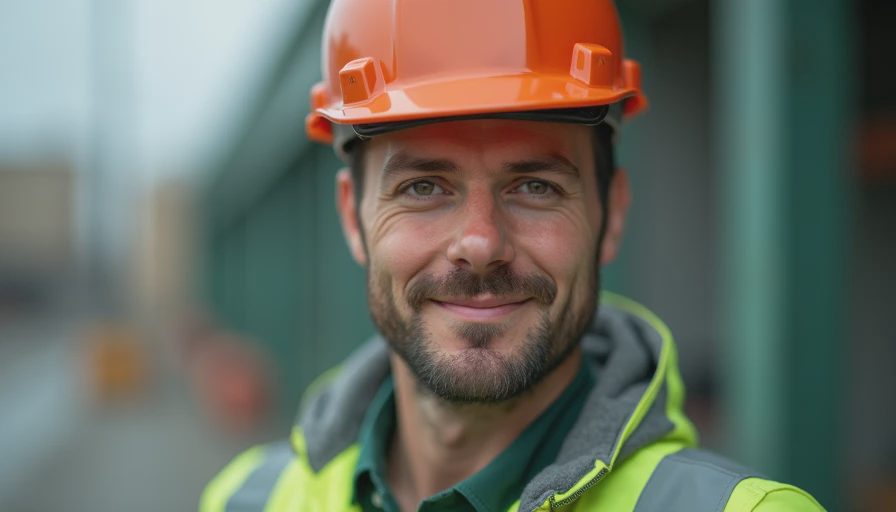
Buying by crew size, not by catalog photo
The smart way to buy is by job, not by catalog photo. A five-person concrete crew can get by with straightforward shells and a few spares. A fifty-person civil crew with two shifts needs a stocking plan, a spare bin, and enough replacements to survive a rough month without waiting on shipping. Basic models can land around $10 to $20 each. Better ratchet-suspension shells often fall in the $25 to $40 range. Lightweight premium models, branded suspensions, and specialty accessories can push into the $40 to $80 range.
For crews near energized work, the class matters more than the finish. Class E is the safe bet around electrical exposure. Class G is common on general construction where the risk is impact, not voltage. Class C should stay out of electrical zones. If you buy for mixed crews, label the bins instead of assuming everybody remembers the difference after lunch.
I like to sample two or three models before a bulk order. Put them on real heads in real heat, with glasses, earmuffs, and a hood or beanie if winter is in play. The one that disappears on the job is usually the one that gets worn. The one that feels fancy for ten minutes can still become shelf art by Friday.
When to replace the shell and how to store it
A shell that looks fine can still be done. Sun, solvents, weld spatter, and repeated drops all shorten service life. If the shell cracks, chalks, warps, or takes a serious hit, pull it from service. If the suspension gets brittle or the ratchet slips, replace that too. Most manufacturers put the date of manufacture inside the shell, and a good safety program tracks that date instead of guessing.
I have seen more hard hats ruined by bad storage than by direct impact. Tossing one on a dashboard in Arizona cooks the plastic. Hanging it from a mirror collects dust, oil, and UV. Painting the shell without approval, drilling holes for a patch, or slapping on stickers that cover damage all create problems. The shell should live in a clean locker, on a hook, or in a tote where it does not become a lunch tray.
The rule is simple: after an impact, inspect it. After a crack, replace it. After years of sun and abuse, retire it before it surprises you. The iron doesn't lie, and neither does a brittle shell that flexes in your hand.
Build a program crews will actually use
The best sites make PPE easy. Put the right sizes on hand, keep spare sweatbands in the trailer, and assign one person to check inventory before the weekend. If a foreman has to hunt for a replacement, somebody will work a shift with damaged gear. That is how small failures turn into expensive ones.
A construction hard hat program also works better when it is paired with other habits. Add eye protection, ear protection, and shade breaks when the weather calls for it. The goal is not to hand out plastic and hope for the best. The goal is to build a routine the crew can follow without thinking. If a hat is comfortable, labeled, clean, and easy to replace, compliance goes up and drama goes down.
For a 20-person crew, a practical annual spend on shells and accessories can land in the low hundreds to low thousands, depending on class, brand, and replacement frequency. That is not a big number compared with a day lost to an avoidable injury or a shutdown while the safety manager scrambles for compliant gear. The cheapest lid is rarely the cheapest program.
If your construction hard hat program still depends on one cheap shell for every job, fix the fit, the labels, and the reorder point before the next hot month starts. That is how you keep the crew moving and keep the gear out of the truck bed. The right lid will not make a hard day easy, but it will make the day safer, and that is worth paying for.

00 Transmissions
No transmissions yet. Yours opens the channel.