Excavator operator wages are not one clean number on a job posting. A beginner moving dirt on residential pads, a union operator digging utility trenches, and a specialist running a 90-ton machine in a mine can sit in completely different pay brackets. The iron does not care what the recruiter promised. Your check stub tells the truth, and the work conditions explain the number behind it.
After years around dealer training yards, contractor fleets, and operators who can feel a weak pump before the gauge catches it, I look at compensation through three measurements: hourly rate, total annual hours, and the value of getting home without a wreck or a blown component. A $32 hourly rate with steady overtime can beat $40 with three months of seasonal layoff.
The working pay range for excavator operators
Current excavator operator wages commonly fall between about $22 and $45 per hour in the United States, with experienced heavy civil, mining, and specialty operators sometimes pushing beyond that range. Annual base pay often lands around $45,000 to $80,000 before overtime. The spread is wide because “excavator operator” covers several different jobs.
A small-equipment operator handling a compact excavator on landscaping or residential work may start near $20 to $26 per hour. An operator with two to five years of production experience may see $27 to $35. A dependable operator who can run 40- to 80-ton machines, read grade stakes, protect underground utilities, and keep production moving can command $36 to $45 or more in stronger markets.
Those are working ranges, not a promise printed on a machine hood. Location, project funding, travel, and the contractor’s backlog matter. A highway expansion in a busy metro area may pay more than a small local excavation company, while a remote job may add per diem, lodging, or a rotation premium.
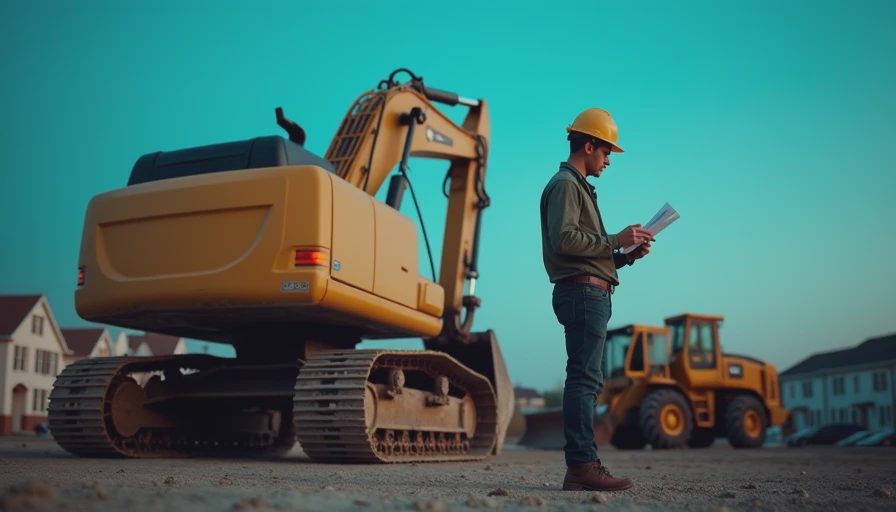
How experience changes excavator operator wages
Experience matters, but seat time alone is not the whole story. The operator who has spent 10,000 hours making smooth buckets is valuable. The operator who can also identify cavitation, explain a hydraulic leak, complete a daily inspection, and avoid unnecessary track wear is more valuable.
Entry-level operators usually need proof that they can work safely, follow a grade checker, and maintain control around people and structures. At this stage, wages often rise in $2 to $4 hourly steps as the operator learns different attachments and soil conditions. A clean safety record can be worth more than another certificate.
Mid-career excavator operator wages improve when the operator becomes productive without constant supervision. That means trenching to grade, loading trucks without waiting, setting pipe accurately, and knowing when to stop for a buried obstruction. A contractor can measure those skills in cycle times, rework avoided, and fuel burned per shift.
Senior operators often earn more because they reduce risk. They can coach a newer operator, make a useful machine setup decision, and communicate with the foreman before a small problem becomes a $20,000 repair. If you are negotiating, do not just say you have 12 years in the industry. Bring examples: machine classes run, attachments used, production targets met, and incidents avoided.
Region, machine size, and job type move the number
Regional differences are real. Large construction markets with expensive housing and active infrastructure work often offer stronger hourly rates. Rural markets may post lower base pay but provide steadier local employment, cheaper living costs, or a chance to move into a lead operator role faster. Excavator operator wages in a mining region can also include shift differentials and travel compensation that do not appear in the advertised hourly figure.
Machine size changes the risk and skill requirement. A 5-ton mini excavator is useful, but a 100-ton excavator loading blasted rock demands different judgment. A mistake with the big machine can damage a truck, a bench, a buried line, or the excavator itself. Employers generally pay for that responsibility, especially when production is tied to every cycle.
Specialty work can add another premium. Rock excavation, demolition, mass excavation, dredging, pipeline work, and GPS machine control require more than basic joystick control. An operator who can use Topcon, Trimble, or Leica guidance systems and still understand the cut without blindly trusting the screen has a stronger argument for higher pay.
Benefits and overtime change the real paycheck
Hourly rate is only one line on the purchase order for your labor. Compare health insurance premiums, retirement contributions, paid holidays, tool allowances, boot allowances, travel pay, per diem, and guaranteed hours. A contractor offering $31 per hour with a solid retirement match and year-round work may beat a $37 offer with no benefits and regular winter layoffs.
Overtime can transform excavator operator wages. At time-and-a-half, a $32 hourly rate becomes $48 for eligible overtime hours. Thirty overtime hours in a busy month adds $1,440 before taxes. That money is useful, but it comes with a cost: fatigue increases the chance of a poor swing, a missed spotter, or a maintenance shortcut. No paycheck is worth disabling yourself.
Ask how overtime is calculated. Some employers start it after 40 hours in a workweek; others use different arrangements where legally permitted. Ask whether travel time, rain delays, and standby hours are paid. Get the answer in writing before you relocate for a project.

How to earn more from the same seat
The fastest route to better excavator operator wages is becoming difficult to replace. Learn the machines your local contractors actually use, not just the model shown in a training video. Get comfortable with hydraulic couplers, thumbs, breakers, tilt buckets, augers, and lifting procedures. Each attachment expands the jobs you can perform.
Keep a simple production record. Note machine model, material, bucket size, truck count, fuel used, weather, and downtime. After several weeks, you can discuss facts instead of feelings. If your crew consistently loads trucks without idle time and finishes cuts with little rework, that is negotiation material.
Protect the equipment. Walk around the machine before shift, check fluid levels, inspect the undercarriage, grease according to the service schedule, and report unusual hydraulic noise early. A contractor remembers the operator who caught a loose fitting before it emptied a tank. That operator gets called first when a better-paying project opens.
Training can help, but certificates do not replace judgment. OSHA-related safety training, NCCER coursework, manufacturer sessions, and machine-control instruction may strengthen a resume. The best proof remains safe, repeatable production under real site conditions.
Questions to ask before accepting an offer
Before signing, ask what machine you will run, how many hours are guaranteed, and whether you will be expected to fuel, grease, load, or perform minor service. Ask who handles grade control, whether the job is union or open shop, and how travel is reimbursed. Clarify the schedule, expected overtime, layoff history, and promotion path.
Then inspect the equipment policy. Are operators blamed for every failure, or does the company investigate root causes? Does the fleet have documented preventive maintenance? A neglected excavator creates slow cycles, hot hydraulics, and stressful shifts. Good excavator operator wages cannot fully compensate for a contractor that treats maintenance as an emergency-only activity.
The best offer combines fair hourly pay, reliable hours, functional equipment, and management that listens when the person in the cab reports a problem. Compare the whole year, not just the biggest number in the advertisement. The iron does not lie, and neither does a detailed pay comparison.
Hours logged: years of field observations. Fluid samples pulled: enough to know clean oil beats heroic repairs. Parts replaced: fewer when maintenance starts before the warning becomes a failure. Iron tested. Iron told.



00 Transmissions
No transmissions yet. Yours opens the channel.