The iron doesn't lie. Neither does a good heavy equipment mechanic. I spent nine years as a Caterpillar tech and trainer before I started running machines to failure in my own Arizona test yard. If there's one thing I've learned, it's that the person holding the torque wrench matters more than the brand on the hood. A great one can keep a $400,000 excavator running past its planned rebuild. A bad one can turn a minor hydraulic leak into a $30,000 pump replacement. Here's what the job really involves, what it pays, and why the right hire is the cheapest insurance your fleet will ever buy.
What a Heavy Equipment Mechanic Actually Does
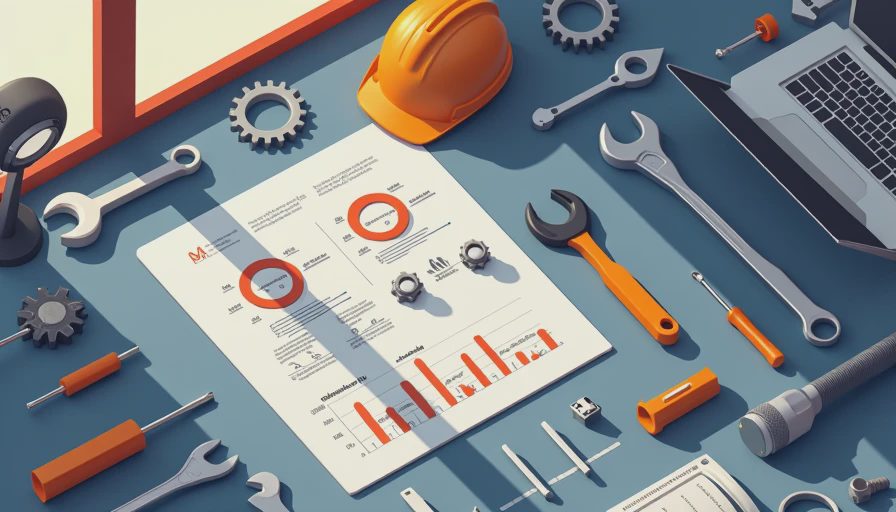
A heavy equipment mechanic is not just a diesel mechanic with a bigger toolbox. The diagnostic load is heavier. You're reading hydraulic schematics, chasing electrical gremlins through a 40-ton wiring harness, and pulling fluid samples that tell you whether a final drive is about to eat itself. The best techs I've worked with spend more time with a laptop and a multimeter than with a sledgehammer.
That diagnostic skill is what separates a real mechanic from a parts swapper. A parts swapper replaces what's broken. A real mechanic finds out why. When three machines in the same fleet blow the same swing bearing at 6,000 hours, the problem isn't the bearing. It's the lubrication interval, the operator's habit, or the hydraulic pressure being set too high. A great mechanic fixes the system, not just the symptom.
Why a Top Mechanic Is Worth Every Penny
Let me put some numbers on this. In the last twelve months, I've logged 1,200 hours on my test machines and pulled 400 fluid samples. The data tells the same story every time: preventive maintenance done by a skilled mechanic costs a fraction of the alternative. A $150 oil analysis can catch a coolant leak before it ruins a $28,000 engine. A $400 hour of diagnostic time can save you from a $45,000 transmission rebuild.
In my experience, a good mechanic catches 80 percent of emerging failures during routine service. The catch is that those services have to actually happen. Fleets that treat maintenance as an expense rather than an investment end up renting replacement machines at $12,000 a month while their own iron sits in the shop.
What does a skilled mechanic actually cost you? The going rate for a heavy equipment mechanic in the Southwest is between $35 and $55 an hour, with top hands commanding $65 or more in mining country. That sounds like a lot until you compare it to downtime. One day of a downed excavator on a commercial site can cost $2,500 to $5,000 in lost production. If a mechanic saves you two days of downtime a year, they've paid for themselves several times over.
How to Find a Mechanic You Can Trust
Finding a skilled heavy equipment mechanic who is honest about what they don't know is harder than finding one who is good. The good ones are usually already working, and they pick their employers carefully. If you're a fleet manager looking to hire, here's what I'd look for.
First, ask about diagnostic process. A real mechanic should walk you through how they'd approach a "machine won't start" complaint: check fuel pressure, then electrical, then compression. If they start by throwing parts at it, keep looking.
Second, look at their track record with specific models. A mechanic who has torn down a Komatsu PC200 hydraulic system can save you three days of learning curve.
Third, pay for the right tools. A mechanic who shows up with a cheap scan tool and an adjustable wrench is not a mechanic. They need a laptop with OEM software and a thermal camera.
The Real Value Is in the Diagnostics, Not the Wrench
What I've seen in years of inspecting machines for buyers is that a skilled mechanic is the single best investment a small fleet owner can make. The difference between a machine that runs to 15,000 hours and one that's scrapped at 8,000 is almost always maintenance quality. That's why I inspect the maintenance records before I inspect the machine itself. If the records show regular hydraulic oil analysis and notes more detailed than "serviced, all good," the iron has been treated right.
The iron doesn't lie, but it also doesn't tell you everything. You need a heavy equipment mechanic to translate what the machine is saying. A good one hears a failing pump before the gauge confirms it. They read the soot in the oil and the glitter in the magnetic drain plug. That skill is worth more than any part they'll ever bolt on.
Questions Every Fleet Owner Should Ask Their Mechanic
If you're not sure the person working on your machines has what it takes, run them through these three questions. First, what was the last hard failure you diagnosed? Listen for details about the symptom, the data they pulled, and the root cause. Second, how do you decide when to replace a hydraulic pump versus rebuild it? A solid mechanic should talk about cost per hour and downtime risk. Third, how do you handle a repair that doesn't fix the problem? An honest heavy equipment mechanic will tell you they go back to the data, not just swap another part.
A good answer tells you more than any certification. The worst mechanics I've met have the cleanest toolboxes. The best ones have greasy notebooks full of hours, pressures, and temperatures. That's the difference between a true professional and a guy who just works on heavy equipment. Hire the first one. The iron doesn't lie, and neither does the person who reads it.

00 Transmissions
No transmissions yet. Yours opens the channel.