If you're looking at a heavy equipment mechanic career, start with the part nobody puts in the brochure: hot oil, dirty knuckles, and a machine down for the wrong reason. On a real job, a failed hose, a weak starter, or a loose hydraulic fitting can cost a contractor thousands in lost time. That is why good techs are paid for judgment, not just wrench time. The work sits at the intersection of diesel power, hydraulics, electrical troubleshooting, and safety, and the people who last in it usually like solving problems more than they like looking clean.
A typical day can start with a walkaround on an excavator, a dozer, or a wheel loader, then move into service intervals, fault codes, oil samples, and the kind of field calls that happen after something already quit. One hour you are checking battery voltage and grounds. The next you are tracing a slow boom on a 30-ton excavator, then resetting a telematics fault on a late-model Cat, Komatsu, Volvo CE, or John Deere machine. The best techs do not guess first. They confirm fluid levels, pressure readings, and the operator's story, then they decide whether the issue is a sensor, a harness, a pump, or a worn component.
What separates this trade from general wrench work is the size of the mistake. A pickup truck with a bad alternator still gets you home. A haul truck with an overheating transmission can park a whole crew. That is why employers value people who can read a service manual, use a multimeter, and stay calm when the machine is bigger than the shop bay and the customer is already angry.
What a heavy equipment mechanic career looks like on the ground
Most new techs think the job is all grease and wrenches. Some of it is. But the real work is pattern recognition. A machine that starts hard on Monday and builds crankcase pressure on Friday is telling you something. A hydraulic system that runs hot only after ten minutes is telling you something different. If you can separate symptoms from causes, you get valuable fast.
You will spend time on preventive maintenance, undercarriage wear, brake systems, hydraulic cylinders, pumps, fuel systems, aftertreatment, and electrical faults. On older iron, that may mean basic mechanical repair and hose work. On newer machines, it may mean deciphering fault codes, checking software updates, and testing sensors before you replace a $900 part that was never the problem. That is where your reputation gets built or burned.
The good news is that competent techs are hard to find. Shops, rental fleets, quarries, mines, municipalities, and independent contractors all need people who can keep iron moving. If you are reliable, safe, and honest about what you know, you will not spend long waiting for work.
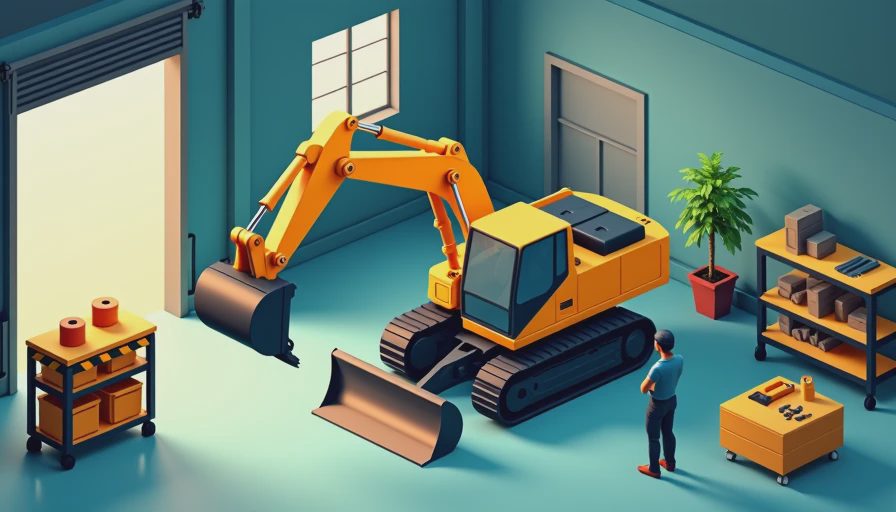
What a heavy equipment mechanic career pays in the real world
Pay depends on where you work, how much travel you tolerate, and whether you stay in the shop or go field service. Entry-level techs often start around $22 to $28 an hour at dealerships, rental houses, and fleet shops. With a few years of real troubleshooting, $30 to $40 an hour is common. Strong field techs, mine-site mechanics, and anyone willing to take after-hours calls can push into the $70,000 to $100,000 range with overtime and per diem. I have seen experienced people beat office salaries because the truck rolls when everyone else is sleeping.
Benefits matter too. A shop with steady overtime, health coverage, and a decent retirement match can be worth more than a slightly higher hourly rate with no structure. Union municipal jobs often trade top-end pay for steadier schedules and better predictability. Mine work can pay very well, but the rotation, heat, and isolation are not for everyone. If you want less volatility, a dealership or government fleet may be the cleaner path. If you want the biggest checks, field service and remote sites usually win.
A heavy equipment mechanic career is one of those trades where skill shows up in your paycheck faster than in a lot of other industries. A tech who can diagnose instead of swapping parts saves a company real money, and companies know it.
Training routes for a heavy equipment mechanic career
You do not need a four-year degree to get started, but you do need a plan. Community college diesel programs, heavy equipment certificates, and apprenticeship tracks can get you in the door in 12 to 24 months. Military maintenance experience also translates well if you spent time on diesel, hydraulics, or tracked equipment. Dealers care less about fancy transcripts than they do about whether you can troubleshoot, follow a procedure, and keep track of what you changed.
If you are buying your own starter set, expect to spend somewhere between $1,500 and $4,000 before you feel fully equipped, and that can climb if you want better diagnostic gear. A solid multimeter, torque wrench, pry bars, impact sockets, seal drivers, inspection lights, and hose tools matter more than a shiny box. In field work, a laptop or tablet with service software access can be just as important as the hand tools.
The fastest way to stand out is simple: show up on time, ask good questions, and learn how to document a repair. A clean work order with the symptom, the test results, and the fix saves the next tech an hour. That habit gets noticed.

The mistakes that slow new techs down
The biggest mistake is replacing parts before testing. A dead machine is frustrating, but frustration is expensive. If a starter is slow, check voltage drop before you order one. If hydraulics run hot, check oil condition, suction lines, and the cooler before blaming the pump. If a machine keeps throwing a fault, read the code history and inspect the harness instead of clearing the screen and hoping it stays away.
The second mistake is ignoring safety because the job is in a hurry. Heavy iron does not forgive shortcuts. Lockout procedures, support stands, pinned attachments, and pressure relief are not paperwork exercises. They are the reason somebody goes home with all ten fingers. A veteran tech respects stored energy because cylinders, booms, and tracks can move when nobody expects them to.
The third mistake is acting like every problem is the operator's fault. Sometimes a machine gets abused. More often, a recurring failure means the design, the maintenance schedule, or the previous repair was wrong. If three different drivers report the same symptom, listen.
Is a heavy equipment mechanic career right for you?
This trade fits people who like visible results. You fix a problem, the machine comes back to life, and the crew goes back to work. It also fits people who can handle heat, cold, deadlines, and the occasional 12-hour day when a loader is down and the customer is losing money by the minute. If you like clear cause and effect, this job gives you plenty of it.
A good path in is to visit a dealership service department, ask about apprenticeships, and talk to the service manager about where new hires spend their first six months. If you can ride along with a field tech or shadow a shop mechanic, do it. The first week tells you more than a brochure ever will. If the work sounds right and your hands do not mind getting dirty, the ceiling is real. You can build a steady career, move into field service, specialize in hydraulics or engines, or eventually run a service team.
The iron doesn't lie. If you want a trade where skill, judgment, and consistency still matter, this one has room for you.

00 Transmissions
No transmissions yet. Yours opens the channel.