Heavy equipment operator training is easy to put off. On a busy job, it feels like lost billable hours. But after two decades turning wrenches and teaching techs, I can tell you this: poorly trained operators are the most expensive leak in your operation. The iron doesn't lie, and neither do my service records.
Why Training Pays for Itself
I've logged thousands of hours on excavators, dozers, and loaders, and I've seen the difference a trained operator makes. Fuel burn drops 10-20 percent when someone knows how to let the machine work instead of fighting it. Undercarriage wear slows. Hydraulic components stop seeing shock loads from jerky controls. On one site, a contractor cut his track replacement cycle from 2,200 hours to 3,100 hours just by sending his two best guys to a week of formal instruction. That single change was worth more than the entire annual training budget.
What a Real Heavy Equipment Operator Training Program Covers
Don't confuse a forklift certificate with a genuinely useful heavy equipment operator training program. A real course should cover pre-start inspection, daily lubrication, machine controls for each OEM, digging techniques, grade work, load charts, and hand signals. It also needs the boring stuff: lockout/tagout, slope safety, utility line awareness, and soil mechanics. The best programs put someone in a real machine, not just a simulator. Simulators are good for muscle memory and emergency scenarios, but seat time in actual dirt is where an operator learns to feel what the tracks are doing. I've trained techs who could tear down a pump blindfolded but couldn't feel a bucket load. Training has to bridge that gap. A reputable US program runs between 120 and 600 hours, depending on whether you need a basic OSHA safety card or a comprehensive NCCER certification.

How Long Does It Take and What Does It Cost?
Most people ask me how much heavy equipment operator training costs before they ask what it includes. That backward approach is expensive. In the US, a focused 40-hour OSHA outreach course runs roughly $600 to $1,200. A full operator certificate program at a community college or private school runs $3,000 to $7,000 for 120 to 400 hours. Union apprenticeship programs are often free up front, but you pay with years of low wage scale. The real cost of training isn't the tuition; it's the downtime for your crew. If you're running a two-person operation, that's a week or two with one less seat filled. But you can recover that cost in a month of reduced fuel burn and fewer repairs.
Simulators vs. Dirt Time: What Actually Works
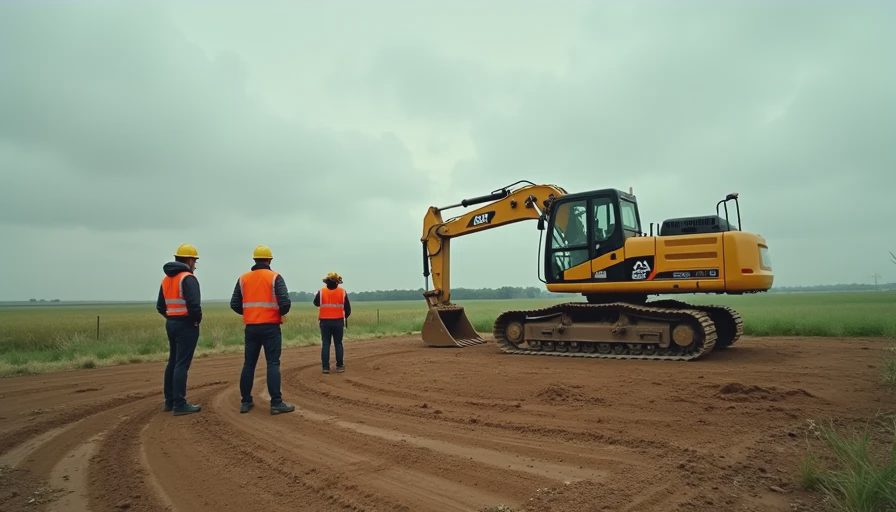
I've seen a lot of heavy equipment operator training that leans too hard on simulators. They're useful for teaching controls and basic machine behavior, and they help new operators build coordination without risking a $500,000 asset. But a simulator can't teach you how a dozer blade reacts to a wet clay bank or how to read a slope by feel. The best program I've audited split time: 30 percent classroom, 30 percent simulator, 40 percent hands-on in a machine. The instructor rode along for the first two days, then let the student work alone while he watched from the cab of a nearby truck. That ratio is a solid benchmark. If a school doesn't put you on real equipment at least half the time, walk away. I've seen students with 200 simulator hours step into a real excavator and freeze. Conversely, one guy I worked with had zero simulator time but grew up on a farm and ran a 45-ton excavator like he was born in the seat. The simulator builds familiarity, but the dirt builds judgment.
How to Choose a Heavy Equipment Operator Training Provider
When you're vetting a heavy equipment operator training provider, ask for their NCCER accreditation and instructor certifications. Check the student-to-machine ratio; you don't want to share a dozer with five other students. Ask about their maintenance schedule for training machines, because a beat-up machine teaches bad habits. Look at their placement rates, but take them with a grain of salt. The best indicator is talking to graduates. Ask what they'd change. If the school can't give you names, that's a red flag. And if an employer is paying for your training, make sure the certificate is portable. Some in-house programs only count at that company, which is fine if you never plan to move. The iron doesn't lie, and neither does a well-run school.
Signs a Training Program Isn't Worth Your Money
I've audited programs that promise a lot and deliver little. A few red flags: no hands-on time in an actual machine, instructors who've never run equipment commercially, and a classroom that looks like a showroom. Also, be wary of programs that guarantee a high-paying job at the end. Nobody can guarantee the job market. And if the school won't let you sit in an operator's seat before you pay, that's a dealbreaker. A good school will be proud to show you their equipment, their instructors, and their student records. If they hesitate, go somewhere else. One more word about safety: a properly trained operator is a safer operator. That alone justifies the cost.
The Bottom Line: Invest in the Person in the Cab
If there's one thing I want you to take away, it's this: heavy equipment operator training is not a checkbox. It's a continuous investment in the person who controls your most expensive assets. The best operators I know train formally, then keep learning from every fail. They read service manuals, they ask questions, they show up early to grease. That attitude is worth more than any certificate. If you're an employer, budget for training every single year. If you're an operator, seek out a program that pushes you. The iron doesn't lie; it rewards the people who understand it.

00 Transmissions
No transmissions yet. Yours opens the channel.