
The best mini skid steer is the one that fits through your gates, lifts your actual loads, and has a dealer who can get it running when it quits. Start with the Toro Dingo line for landscape contractors who need a range of attachments, the Bobcat MT line for buyers who value an established equipment dealer network, and the Ditch Witch SK line for utility and landscape crews that want a stand-on machine. Those are starting points, not durability rankings. I don't have comparable 100-hour test data on these machines, so I won't pretend one has earned a universal win.
Start with the work, not the horsepower
A machine moving mulch through a backyard has different needs from one feeding a trencher or carrying pallets of block. Write down your three most common jobs, the heaviest load you'll carry, and the narrowest opening you'll encounter. Include the attachment in every measurement: a bucket or grapple can be wider than the machine itself.
For residential landscaping, a compact tracked loader with a bucket and soil-working attachment is a sensible place to start. For utility work, look closely at hydraulic compatibility with the tools you already own and at how easily the machine can be transported between jobs. For masonry or hardscaping, lifting capacity and load stability deserve more attention than a few inches of width.
Stand-on controls also differ in feel and layout. Have the intended operators try the machines with a load in a safe demo area. Check visibility to the attachment, platform footing, and whether the controls allow smooth positioning without awkward hand movement. A machine that's tiring to operate precisely can cost you time on every cycle.
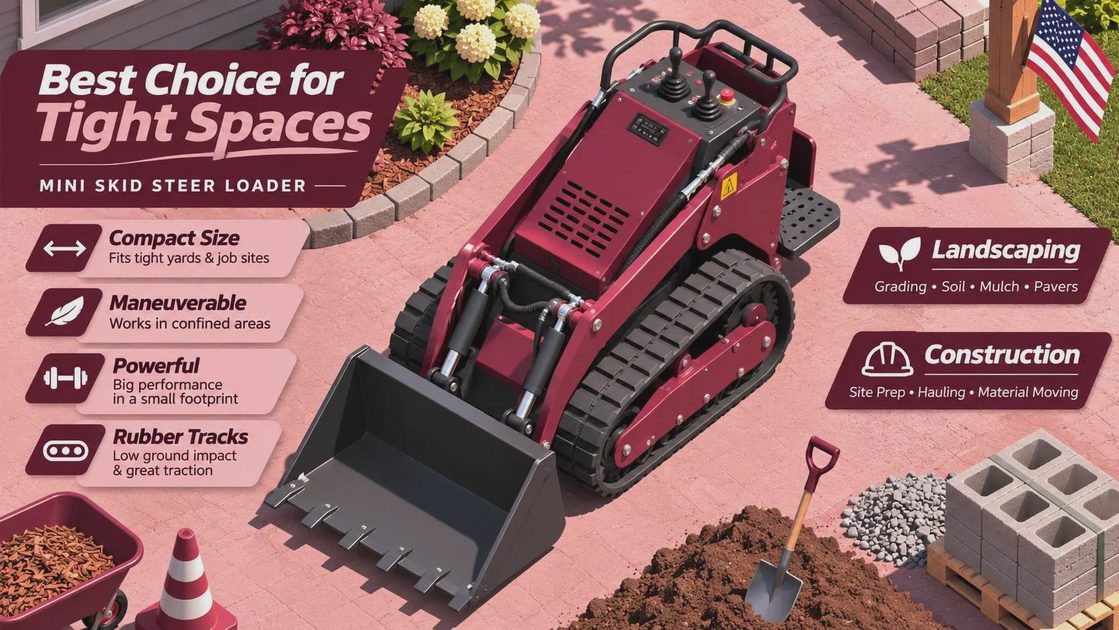
How to size the best mini skid steer for the load
Rated operating capacity is a useful screening number, but it is not a license to lift any load that weighs less than the published figure. Manufacturers may rate machines under different standards or conditions, and capacity depends on the attachment and where its load sits. Compare the rating basis in each operator's manual before comparing numbers.
Pallet forks make this especially important. A pallet's center of gravity can sit farther ahead of the machine than a dense load in a bucket. The fork frame and forks also have weight. Check the manufacturer's load chart for the specific attachment and load center, and leave a margin for uneven ground and material that isn't evenly stacked.
Keep heavy loads low while traveling. A raised load shifts the center of gravity and reduces stability, particularly on slopes or soft ground. Follow the machine's slope and travel instructions; don't assume a load that lifts on level pavement is safe to carry across a side slope.
Also check overall width with the tracks or tires fitted as delivered. Measure the gate at its tightest point, including hinges and posts, and allow room to steer without scraping either side. If access is the reason for buying, a machine that only fits on paper isn't a solution.
Match auxiliary hydraulics to the attachment
Flow and pressure do different jobs. Flow, usually expressed in gallons per minute, affects how much hydraulic oil reaches a powered attachment. Pressure, expressed in pounds per square inch, contributes to the force available at the attachment's motor or cylinder. A tool needs an acceptable combination of both; a big flow number by itself doesn't guarantee performance.
Get the attachment manufacturer's operating range, then compare it with the loader's auxiliary specifications at the required engine speed. Check coupler type and size, hydraulic case-drain requirements if applicable, and the electrical controls needed for any extra functions. A compatible mounting plate doesn't make the hydraulics compatible.
Heat matters too. A continuously driven attachment can put more sustained demand on the system than a bucket cylinder used intermittently. Ask the dealer how the combination handles extended operation and what maintenance the cooling package needs. Keep the cooler clean according to the manual; packed debris can turn a productive afternoon into a shutdown.
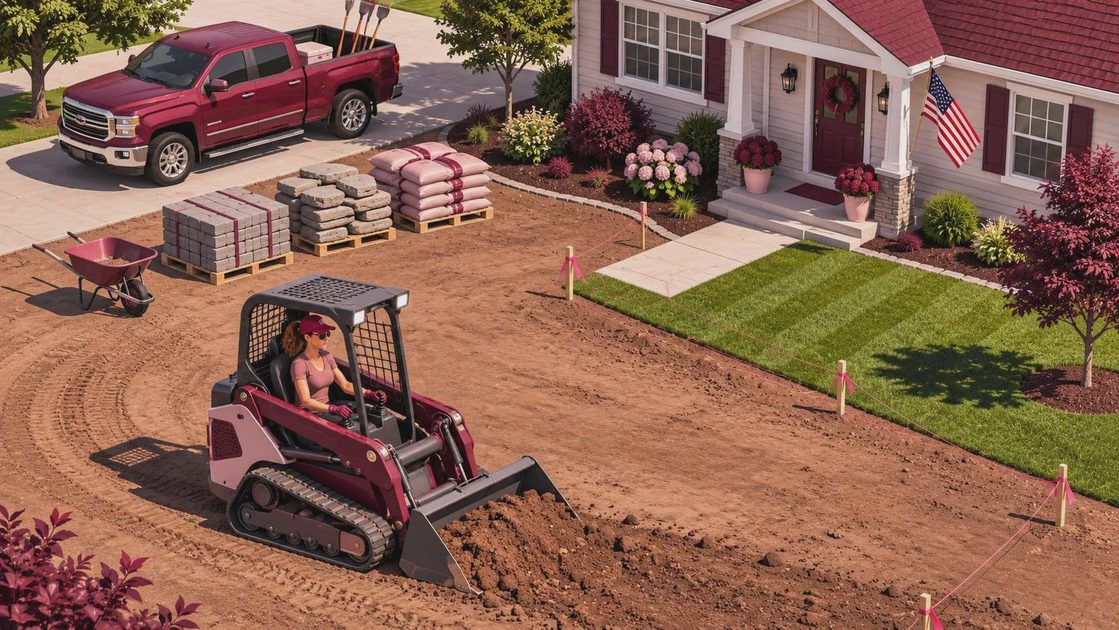
Inspect a used machine before money changes hands
Start with a cold machine if the seller agrees. Check fluid levels and look for leaks before startup, then watch the exhaust and listen for unusual noises as it warms. Run every function, including auxiliary hydraulics, and travel forward and backward. Hesitation, excessive noise, or drift warrants investigation; none identifies a failed pump by itself.
Inspect the loader arms, pivot pins, attachment plate, and frame for cracks, repairs, and abnormal movement. On a tracked unit, examine track condition, rollers, sprockets, and the undercarriage for damage and packed material. Worn rubber is visible; a neglected hydraulic system may not be.
Ask for service records, fault history, and documentation of major repairs. If the price justifies it, arrange an independent inspection and fluid analysis. A sample can flag contamination or wear, but one result without history or context doesn't prove how much life remains. Confirm the serial number and check for liens before paying.
Price the machine over the hours you expect to use it
Compare ownership on a cost-per-operating-hour basis. Add depreciation or financing costs, maintenance, repairs, fuel, insurance, and transport; subtract the resale value you reasonably expect; then divide by expected operating hours. Use your own quotes and job history rather than a dealer's ideal utilization figure.
Attachments belong in that calculation. So do downtime and the cost of renting a replacement. Ask each dealer which wear parts are stocked locally, how quickly a technician can respond, and whether a loaner or rental is available. Get those answers before the machine is broken on a customer's property.
For a final comparison, take the same representative load and attachment to each demo, if the dealers allow it. Record the width, lift behavior, control layout, and service quote. That won't replace a long-term durability test, but it will expose a poor fit before you sign. The iron doesn't lie; neither should the limits of the evidence.

00 Transmissions
No transmissions yet. Yours opens the channel.