Skid loader tire chains are not a cosmetic upgrade. They are a traction tool for the days when a machine spins all four tires, polishes a work path into ice, or cannot climb out of a muddy cut. I have watched operators burn an hour fighting for movement that a properly fitted set of chains would have solved in ten minutes. The iron does not lie: traction comes from the contact patch, the tread pattern, and how well the chain stays seated.
The right setup depends on tire size, loader weight, surface, and the kind of work being done. A compact loader clearing a residential driveway has different needs from a tracked-looking skid steer pushing wet clay all day. Buy by application, not by the cheapest listing.
Why skid loader tire chains change machine performance
A pneumatic tire relies on tread edges and rubber deformation to generate grip. In loose snow or wet clay, those edges fill and the tire starts spinning. Chains add hard cross members that bite through the weak surface layer and reach firmer material underneath. That improves forward drive, braking, and side-hill control.
The improvement is most obvious when the machine is carrying a loaded bucket. An empty loader can sometimes crawl through poor conditions because it has less ground pressure. Add 1,500 pounds of wet material, and the tires need much more usable traction. Chains do not create horsepower, but they let the hydraulic drive system transfer more of the available torque without wasting it in wheel spin.
There is a tradeoff. Steel chains increase vibration, noise, and stress on tires, axles, and final drives. They also reduce clearance around the fenders and steering components. If the chain is loose, one cross chain can slap the machine every revolution. Here is the symptom: rhythmic banging or a chain that walks toward the sidewall. Here is the root cause: poor fit or inadequate tension. Here is what to do about it: stop, reposition, tighten, and inspect before another pass.
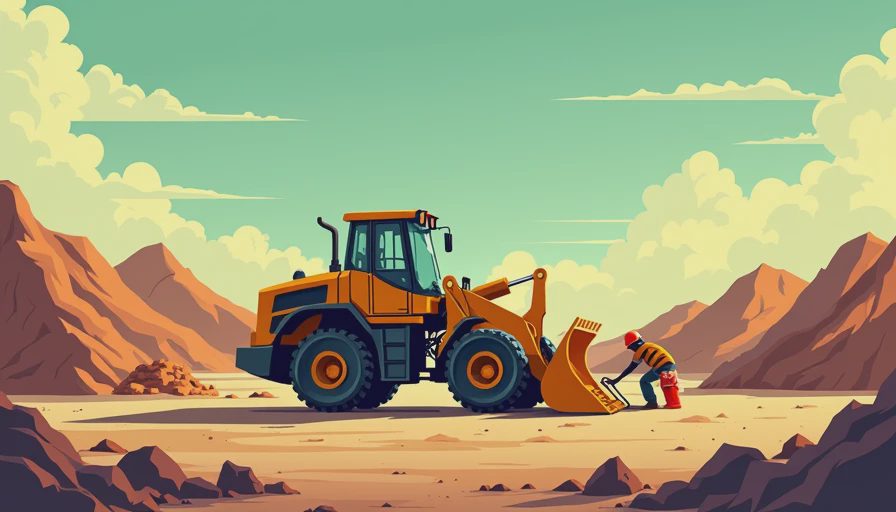
Selecting skid loader tire chains by tire and job
Start with the complete tire marking, such as 10-16.5 or 12-16.5. Do not rely on a loader model alone. A Bobcat S650, for example, may be equipped with different tire widths depending on the buyer's package and replacement history. Measure the mounted tire if the sidewall marking is damaged, then match the chain manufacturer's fit chart.
For packed snow, ladder-style chains with substantial cross chains provide a good balance of grip and ride quality. For mud, rocky access roads, and frozen ruts, a more aggressive V-bar or square-link pattern can bite harder. V-bar chains are effective but rougher on paved surfaces and more likely to mark concrete. A contractor working on finished driveways may prefer a less aggressive pattern or rubber tire protection beneath the chain.
Chain gauge matters. Light-duty chains can work on a small loader used occasionally for snow removal, while a 9,000-pound machine pushing aggregate needs heavier links and stronger side chains. Count the working hours, not just the purchase price. A $500 set that lasts one season costs more than an $800 set that survives three winters and stays tight.
Check clearance before ordering. Turn the wheels fully in both directions, lower the lift arms, and look at the space near the inner sidewall, hydraulic hoses, axle housing, and fender. A chain that fits while parked straight can contact a component at full steering lock.
Installing and tensioning the chains correctly
Park on level ground, set the parking brake, lower the attachment, and shut down the machine. Lay each chain flat and remove twists before installation. On a skid steer, working one axle at a time is safer than trying to wrap all four tires while the loader is moving. If you must reposition the machine, move only a few inches and keep hands and feet clear.
Center the chain across the tread, connect the inside side chain first, then connect the outside. Use the tightest practical setting without forcing the chain over the tire. Automatic tensioners can help, but they do not correct an undersized chain. After the first 50 to 100 feet, stop and retension. New chains often settle into the tread and develop slack immediately.
Never use bungee cords as a substitute for proper tension hardware. Heavy rubber tensioners are useful for keeping a correctly sized chain centered, but they are not structural parts. Inspect the connectors after the first work cycle. A missing fastener can let the chain unwrap and damage a valve stem, hose, or fender in seconds.
What I look for during field work
When evaluating skid loader tire chains, I watch four things: wheel spin, steering effort, machine vibration, and chain movement. On snow, a useful set should let the operator modulate throttle instead of running wide open. In mud, the machine should advance without digging two deep holes beneath the tires. If the loader still spins constantly, the issue could be excessive bucket load, a worn tire, or ground conditions beyond what chains can solve.
On hard frozen ground, aggressive steel links can make the loader feel more stable but also transmit sharp impacts through the seat and controls. That matters over an eight-hour shift. Operators often compensate by slowing down, which protects the machine and the person in the cab. On paved surfaces, keep speed low and avoid unnecessary travel. Chains are traction equipment, not a license to drive at road speed.
One practical comparison: a worn tire with excellent chains is still a poor setup. If the lugs are rounded, the chain has less rubber to seat against and more room to shift. A sound tire with a moderate chain pattern usually outperforms a damaged tire wearing the most aggressive chain available.
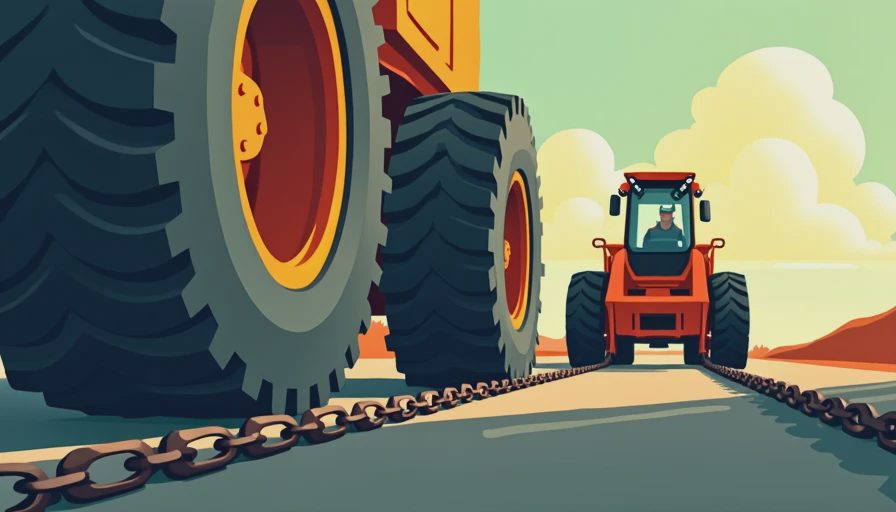
Maintenance, storage, and damage control
Clean the chains after use, especially when the loader has worked in salt, fertilizer, or wet clay. Let them dry before storage, then hang them where they cannot sit in a puddle. A light rust film is not an immediate failure, but deep pitting, stretched side links, cracked welds, and bent cross chains are warning signs.
Inspect at every installation. Look for a cross chain that is thinner than its neighbors, a side chain that has elongated, and connectors with worn hooks. Replace damaged parts with the correct size rather than welding improvised repairs into a load-bearing link. A repair that holds on a driveway may fail when the tire is spinning under full hydraulic load.
Rotate the chains between machines only when tire dimensions and clearance are identical. Moving a set from a narrow 10-16.5 tire to a wider tire can create dangerous slack. Record the tire size, installation date, hours used, and any broken links. That small log tells a fleet manager whether a premium chain is actually lowering downtime.
Buying decision before the next storm
Before purchasing, write down the loader's operating weight, tire marking, usual surface, and expected seasonal hours. Decide whether the machine spends more time on snow, mud, rock, or finished pavement. Then compare link strength, tread pattern, tension system, warranty terms, and replacement-part availability. Brands such as Trygg, Pewag, and Quality Chain offer different patterns and duty levels, but the fit chart matters more than the name stamped on the box.
Order early. The first major snow usually creates the worst inventory and shipping delays, and a rushed substitute is how wrong-size chains end up in a shop corner. Keep gloves, a kneeling pad, spare connectors, and a proper tensioning tool with the set. Installation is faster when the equipment is ready.
Skid loader tire chains are worth the money when they prevent wheel spin, shorten a stuck-machine recovery, and keep production moving. They are not a cure for bald tires, overloaded buckets, or unsafe slopes. Fit them carefully, retension them after the first run, and inspect them like any other load-bearing component.
Hours logged: 100-plus across field equipment inspections and winter work. Fluid samples pulled: part of every serious machine evaluation. Parts replaced: whatever the inspection proves necessary. Iron tested. Iron told.

00 Transmissions
No transmissions yet. Yours opens the channel.