Most construction machinery news is written from a press release. You get a horsepower number, a fuel-efficiency claim, and a photograph of a spotless excavator sitting on fresh gravel. That is not enough information to approve a six-figure purchase. I want hours logged, oil samples pulled, failed parts identified, and repair costs added to the spreadsheet. This site treats construction machinery news as a field report, not a brochure.
I spent seven years teaching Caterpillar dealer technicians how hydraulic systems fail, after two years turning wrenches in a Phoenix service bay. Today, I run machines in an Arizona test yard and inspect used equipment for contractors. A loader that looks impressive for 20 minutes can become an expensive mistake at 3,000 hours. The iron doesn't lie, but it does require somebody to ask the right questions.
What Useful Construction Machinery News Should Tell You
Useful construction machinery news connects a machine's design to the work it performs. If a manufacturer announces a new excavator pump, I want to know the operating pressure, control strategy, expected service interval, and whether the pump is accessible without removing half the upper structure. If a wheel loader receives a new transmission, I want shift quality under load, fluid temperature, and the parts cost when the warranty ends.
That detail matters because specifications are only the starting line. Two 30-ton excavators can list similar bucket capacity and engine power while producing very different results in rock, wet clay, or fractured caliche. One may burn less fuel but lose more time to hydraulic heat. Another may have a stronger undercarriage but expensive proprietary electronics. The purchase order should reflect the whole machine, not the headline number.
When I read construction machinery news, I separate three things: what changed, what was measured, and what remains unproven. A launch event proves that a product exists. It does not prove durability. I will not call a machine reliable after a demo day. My minimum is 100 working hours before forming an initial opinion, followed by fluid sampling and inspection of wear points.
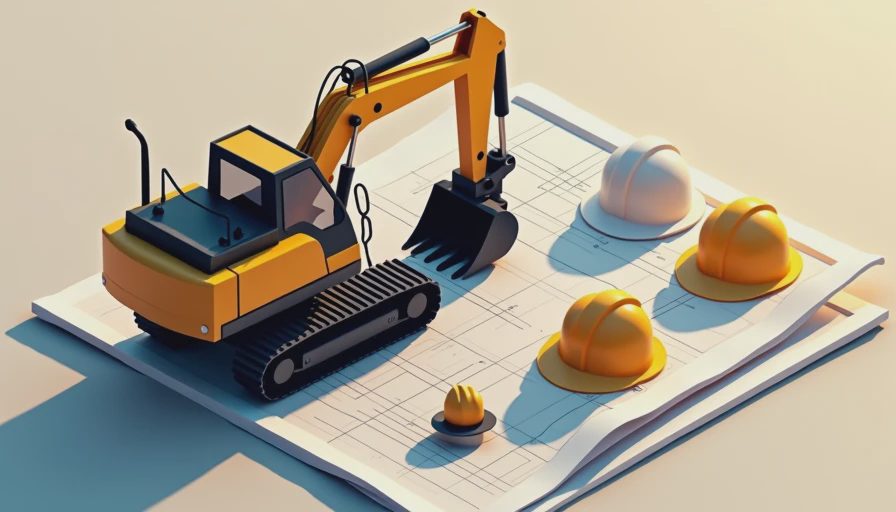
Reading New Equipment Announcements Without Getting Sold
Start with the application, not the brand. A 22-ton excavator used for utility trenching has different priorities from one loading blasted rock. The contractor digging residential sewer lines may value smooth low-flow control, compact tail swing, and a clean service layout. The quarry operator may accept higher fuel use for stronger guarding, cooling capacity, and a heavier arm.
Then examine the claims that are easiest to measure. Fuel burn should be recorded in gallons per operating hour under a defined duty cycle, not described as “efficient.” Cycle time should include digging, swinging, dumping, and returning to the cut. Noise claims need an actual test condition. A machine that saves half a gallon per hour sounds attractive, but if a clogged cooling package forces a $9,000 shutdown during summer production, the spreadsheet changes quickly.
The same approach applies to electric and hybrid equipment. Battery size, charging time, usable range, ambient temperature, and replacement cost matter more than a quiet demonstration. A compact electric excavator can be excellent inside a building or near a hospital, while a remote grading project may need a diesel machine because charging logistics are not ready. Construction machinery news should explain that tradeoff plainly.
The Failure Data Buyers Need Before Signing
A used-equipment inspection begins with records. I ask for hour-meter history, work orders, oil analysis, emissions-system repairs, and evidence of scheduled maintenance. A clean cab does not offset 4,500 hours of skipped hydraulic-filter changes. Conversely, paint wear and a cracked seat can hide a machine with excellent fluid results and disciplined service records.
The most revealing evidence is often where the machine is dirty. A hydraulic pump case drain with abnormal metal, a final drive that runs hotter than its mate, or a boom cylinder with fresh oil around the rod seal deserves investigation. Here is the diagnostic in three sentences: the symptom is rising case-drain flow. The root cause may be internal pump wear or contamination. The action is to sample the fluid, isolate the circuit, and price the repair before bidding.
For a mid-size excavator, a hydraulic pump replacement can easily reach $12,000 to $25,000 after labor, flushing, filters, and related damage. A final-drive failure can create a similar bill. Those numbers turn a seemingly cheap auction purchase into a bad deal. Good construction machinery news should discuss failure cost, not only purchase price.

How Fleet Managers Can Turn News Into a Buying Decision
Build a one-page comparison before contacting dealers. Record purchase price, expected annual hours, fuel consumption, planned maintenance, tire or undercarriage cost, and likely resale value. Add the cost of downtime. If a machine produces $180 per hour and a major failure removes it from service for ten working days, the lost production can exceed $14,000 before parts arrive. That belongs in the decision, even if it never appears on the invoice.
Ask dealers for component warranties separately. An engine warranty does not automatically cover a hydraulic pump, aftertreatment system, or travel motor. Ask who pays for diagnosis, oil contamination, freight, and field labor. Get those answers in writing. A lower purchase price is not a bargain if the support network cannot put a qualified technician on the machine when it stops.
Construction machinery news is most useful when it gives you questions to take to the dealer. Ask for a cold start, fault-code history, service access demonstration, and a representative production cycle. On a used machine, ask to see the oil sample report and compare it with the service interval. If the seller refuses basic inspection time, the refusal is data.
What I Watch in the Test Yard
My test protocol is deliberately repetitive. I log ambient temperature, engine hours, fuel added, hydraulic oil temperature, and the task performed. I inspect pins, bushings, hoses, track tension, radiator screens, and electrical connectors at set intervals. Fluid samples go to a laboratory, and abnormal results trigger a follow-up sample rather than a dramatic conclusion.
That process catches problems a walkaround misses. Dust loading can reveal a cooling-system weakness. A gradual increase in iron or silicon can indicate wear or dirt entry before an operator feels anything in the seat. A transmission that shifts well cold but flares after two hours under load tells a different story. The machine gets a fair test, and the operator gets useful warning.
I also record repair time. A $600 hose replacement completed in two hours is not the same operational problem as a $600 sensor that requires a day of troubleshooting and cab disassembly. Construction machinery news should respect the wrench time behind every repair estimate. Labor is not a footnote when a fleet has several machines working far from the shop.
A Practical Weekly News Filter for Contractors
When reviewing construction machinery news, save announcements that affect one of five areas: productivity, reliability, serviceability, safety, or total ownership cost. Ignore adjectives until you find numbers. “Redesigned cooling” should lead to questions about airflow, cleaning access, fan control, and measured temperatures. “Improved operator comfort” should lead to questions about seat adjustment, visibility, vibration, and controls after a full shift.
Track updates from manufacturers such as Caterpillar, Komatsu, John Deere, Volvo Construction Equipment, Hitachi, and Liebherr, but do not treat any brand as automatically good or bad. Every manufacturer has strong models, weak models, excellent dealers, and support gaps. The exact machine, application, maintenance history, and local parts access matter more than a logo on the counterweight.
Use the news as a starting point, then verify it with service literature, dealer answers, field inspections, and measured operating data. A press release can tell you what changed. It cannot tell you what breaks at hour 187. That requires time in the dirt, a fluid kit, and somebody willing to publish the repair bill.
Hours logged: 100-plus before a serious opinion. Fluid samples pulled: enough to establish a trend. Parts replaced: recorded, priced, and explained. Iron tested. Iron told.

00 Transmissions
No transmissions yet. Yours opens the channel.