If you're staring at a heavy equipment operator vacancy, you're not just trying to put a body in a cab. You're trying to buy smooth grade, faster truck cycles, fewer track repairs, and less rework. The cheapest hire on paper can get expensive in a hurry if they spend the first two weeks learning how not to rip up a pad, burn fuel, or abuse a machine. On a mid-size earthmoving job, one weak operator can cost more than a few dollars an hour in wage difference; the damage shows up in overtime, breakage, and the foreman's patience.
The first mistake is posting a vague ad and hoping the right driver shows up. Good operators do not chase vague. They scan for machine type, shift, pay, travel, and whether the shop actually keeps iron running. If you want someone who can run a dozer, excavator, wheel loader, or skid steer without a babysitter, say so clearly. The people who know what they are doing can smell a sloppy posting from across the yard.
What separates a decent operator from a valuable one is not just seat time. It is judgment. A solid hand knows how to read material, keep a clean bucket, avoid shock loading, and notice when a hydraulic fan sounds wrong before the machine starts eating money. In other words, the cab is only part of the job. The rest is attention, patience, and the habit of not making the same mistake twice.
What a strong operator actually brings to the job
A strong operator makes the job site quieter in all the right ways. The loader is not slamming piles, the excavator is not overdigging every trench, and the haul trucks are moving on time instead of idling behind bad cycle planning. That kind of operator saves fuel, reduces wear, and keeps the superintendent from chasing down preventable problems. On a job with tight margins, that matters more than a flashy resume.
I tell contractors to look for people who can talk about machine behavior in plain language. Ask what they do before startup, how they handle slopes, and how they change technique when they move from dry clay to wet fill. A real operator usually has a simple, practical answer. They know when to feather the controls and when to stop forcing the machine. They also know that a clean final grade is cheaper than a rushed one that needs another pass.
Experience with Caterpillar, Komatsu, John Deere, Volvo, CASE, or Hitachi equipment is useful, but brand names are not the whole story. A driver who has run only one model can still be worth hiring if they understand hydraulics, undercarriage wear, and safe spotting. You are hiring habits as much as machine time. That is where good crews separate from expensive ones.

How to screen a heavy equipment operator vacancy in one morning
The fastest screen is not a personality quiz. It is a practical conversation and a short test. Start with the basics: what machines have they actually run, how many years, and on what kind of work. Residential grading is not the same as pipeline trenching, quarry loading, or highway base work. A candidate who has only touched compact equipment may still be promising, but you should know that before they walk onto a finish-grade job.
Then move to specifics. Ask how they inspect a machine at the start of the day, what they do if they see a hydraulic leak, and how they react when a spotter gives conflicting signals. A dependable operator usually has a calm answer. If they cannot explain a walkaround, a bucket check, or basic fluid awareness, that is a signal.
If possible, put them on iron for 10 to 15 minutes. Watch the startup, the controls, the bucket edge, and the cleanup at the end. You do not need a full production shift to see whether they can hold a line, backfill without tearing up the trench, and park the machine like it belongs there. The iron doesn't lie, and neither does a short test in the yard.
Pay, benefits, and the offer that gets a signature
For most U.S. markets, a steady operator often falls somewhere around $25 to $40 an hour, with higher rates for mining, pipeline, night shift, or specialized grading work. In some regions the number is lower, and in hot labor markets it climbs faster than contractors like to admit. If the operator can run GPS grade control, manage multiple machine types, or work remote projects, the wage needs to reflect that. A full-time hand who can save an hour of rework a day is worth more than a cheaper hire who creates it.
Pay is not the only lever, but it is the first one most people notice. After that comes schedule, overtime, and stability. Operators who bounce from one short job to the next are usually looking for predictability as much as money. If you can offer steady hours, good maintenance, and a clean shop, say it. Add health coverage, a tool or boot allowance, per diem for travel, and a clear path to raise wages after 90 days. Those details close deals.
A strong offer also avoids surprises. If the job requires early starts, long drives, weekend shifts, or night paving, put that in the ad. Hidden conditions create early turnover, and turnover costs more than a fair hourly rate ever will.
Where to find operators who are worth keeping
Good operators do not all live on big job boards. Some are on Indeed, ZipRecruiter, and local Facebook groups, but the better ones often come through union halls, community college programs, equipment dealers, mechanics, and referrals from foremen who know who can actually work. A parts manager at a local dealer will often know which operators keep their machines clean and which ones burn through track shoes and excuses.
Trade schools and vocational programs can also produce solid candidates, especially for compact equipment and entry-level positions. The catch is that you still have to test for judgment, not just enthusiasm. A new operator with good habits and coachability can be a better long-term hire than a veteran who thinks every problem is somebody else’s fault.
One contractor I know solved a staffing problem by tightening the ad instead of loosening the standards. He listed the exact machines, the shift, the travel radius, the pay range, and the fact that the shop did preventative maintenance on schedule. Applications dropped in quantity and improved in quality. That is what you want. Fewer tire-kickers, more people who understand the work.
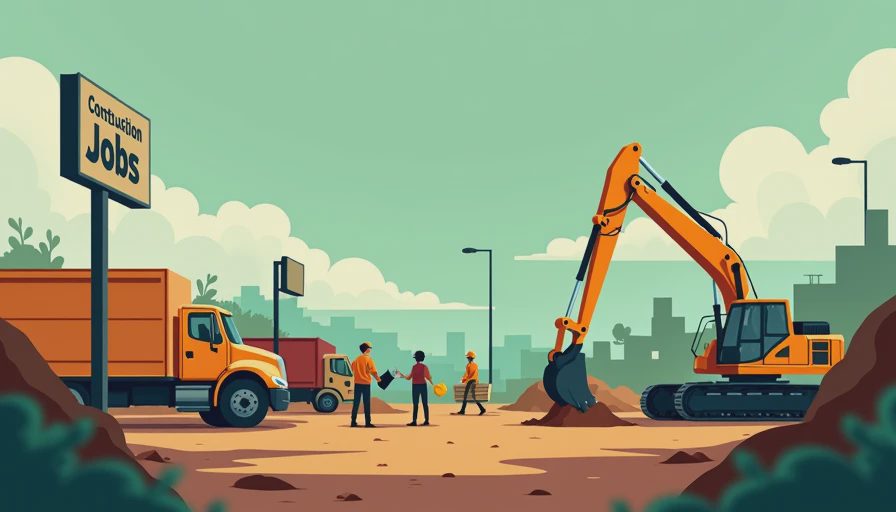
A short field example from a tight labor market
I watched a mid-size grading contractor lose two hires in six weeks because the posting said only "experienced operator wanted." That could mean almost anything. After that, they rewrote the ad with machine types, hourly pay, overtime rules, and the fact that they expected a practical skills check. They added a $500 sign-on bonus and guaranteed 40 hours. The response changed fast. Fewer applicants came in, but the ones who did were closer to the work.
The winner was not the flashiest resume. It was a person who had run an excavator in utility work, knew how to keep a trench line clean, and understood that a machine needs to be respected every day, not just when the foreman is watching. That hire stayed because the expectations were clear from day one. That is the lesson for any heavy equipment operator vacancy. Make the work real, make the pay honest, and make the machine needs part of the pitch.
If you want the phone to ring, write like someone who has seen a bad hire cost a week of production. Name the iron, name the shift, name the money, and tell candidates exactly what success looks like. A heavy equipment operator vacancy should not read like a generic warehouse ad. It should read like a job that matters, because it does.
Hours logged: 0. Fluid samples pulled: 0. Parts replaced: 0. Iron tested. Iron told.

00 Transmissions
No transmissions yet. Yours opens the channel.