The short answer to how much does heavy machinery operators make is usually between $45,000 and $85,000 a year, with overtime, location, union status, and machine type moving that number sharply. Entry-level operators may start near $20 to $25 per hour, while experienced excavator, crane, and mining operators can clear $35 to $45 per hour before overtime. The iron doesn't lie, and neither does a pay stub.
I have spent years around CAT, Komatsu, John Deere, and Hitachi equipment, first as a field service technician and later training dealer technicians. The operator who can grade a trench without tearing up the hydraulic system is not paid for simply sitting in a cab. They are paid for production, precision, safety, and keeping a six-figure machine earning money.
What heavy machinery operators earn by experience
When people ask how much does heavy machinery operators make, they often compare a new operator's hourly rate with a veteran's annual income and miss the experience curve. A laborer moving into a skid steer or backhoe seat may earn $18 to $24 per hour during the first year. That equals roughly $37,000 to $50,000 annually at full-time hours, before overtime and seasonal downtime.
After two to five years, operators commonly move into the $25 to $32 per hour range. That puts straight-time annual earnings around $52,000 to $67,000. An operator trusted with production excavators, dozers, motor graders, or articulated haul trucks can reach $70,000 to $90,000, especially when the job includes night shifts, travel, or substantial overtime.
The highest earners are not always the people running the biggest machine. A reliable operator who can read plans, set grade, diagnose abnormal noise, and protect attachments is more valuable than somebody who only has a large machine on a resume. A contractor remembers the person who saved a shift, not the person who polished the cab.
Location changes the paycheck
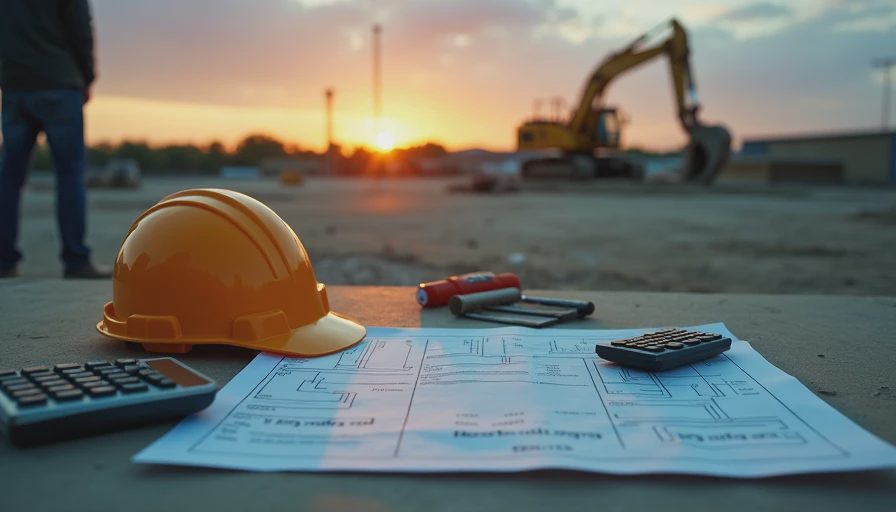
How much does heavy machinery operators make depends heavily on where the work is located. Construction markets in California, Washington, Alaska, New York, and parts of Colorado can support higher hourly rates because labor costs, infrastructure spending, and project complexity are higher. Rural markets may post lower base wages but offer cheaper housing and steadier access to local work.
A nonunion operator in a smaller market might see $22 to $30 per hour. A union operator on a major road, bridge, utility, or public works project can earn $35 to $50 per hour in wages and total package value, although the exact split between cash wages and benefits differs by agreement. Per diem, travel pay, lodging, and shift premiums can add several thousand dollars to annual compensation.
Mining and quarry work can pay more than ordinary residential excavation because the schedules are demanding and the equipment is expensive to keep productive. A haul truck operator or production loader operator may work rotating shifts, ten- or twelve-hour days, and extended stretches away from home. That schedule is not free money. It is the price attached to the rate.
Machine type and skill level matter
How much does heavy machinery operators make also tracks closely with the machine's risk and production value. Skid steer and compact track loader operators are often easier for a contractor to replace, so their starting wages tend to be lower. Excavator and dozer operators who can finish grade or work around buried utilities command more.
Crane operators sit in a different category because lifting work involves specialized training, planning, inspections, and serious consequences when something goes wrong. Compensation can exceed $100,000 on certain industrial or large commercial projects, particularly with overtime. Underground mining, pile driving, oilfield construction, and remote infrastructure work can also push annual earnings above $90,000.
The useful test is not the machine's purchase price alone. Ask what the operator controls: production speed, fuel burn, rework, attachment damage, and safety exposure. A good operator can save a fleet hundreds of dollars in wasted fuel and hours every week. Those savings show up in the contractor's margin, and strong contractors eventually pay to keep that skill in the seat.
Overtime, benefits, and the real compensation number
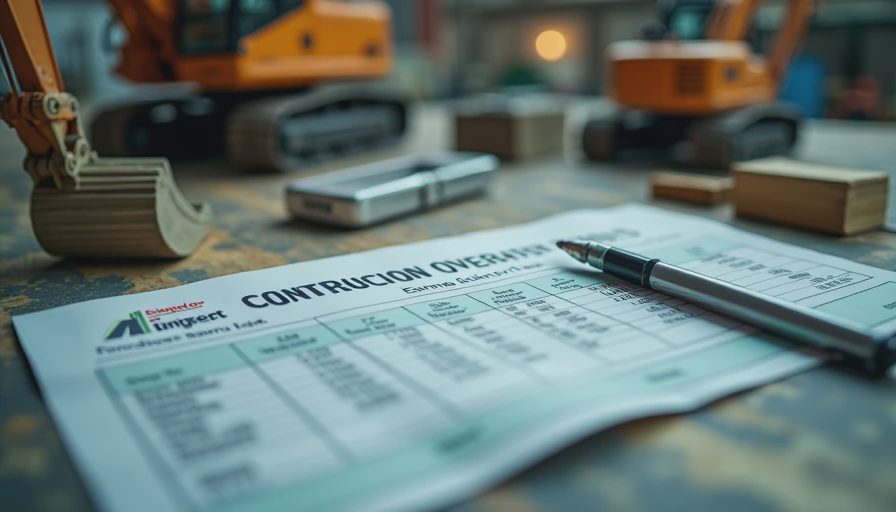
A posted wage is only one part of how much does heavy machinery operators make. Someone earning $28 per hour for 40 hours each week makes about $58,000 in straight-time wages. Add eight overtime hours weekly at time-and-a-half, and the annual gross can approach $76,000 before taxes, assuming work is available throughout the year.
Benefits can change the comparison. Health insurance, retirement contributions, paid holidays, tool allowances, training, and a company truck may add $8,000 to $25,000 in value. A union package may show a lower cash wage than an independent contractor's offer while delivering stronger retirement and health coverage. Compare the full package, not just the number written in the job advertisement.
Seasonality deserves a hard look. Residential grading may slow during winter or wet periods, while highway, mining, and utility projects can run more consistently. Ask how many guaranteed hours the employer provided last year, how weather delays are handled, and whether travel costs are reimbursed. An $80,000 promise is weak if the operator only works seven months.
How to increase your earning power
If you are researching how much does heavy machinery operators make because you want to enter the trade, start with the machine categories employers actually need in your area. Get documented seat time on compact equipment, then build toward excavators, dozers, graders, or loaders. A clean operating record is worth more than a stack of vague claims.
Training can help. OSHA requirements, employer safety programs, signal-person training, rigging knowledge, and commercial driver's licensing can open doors, depending on the job. An NCCCO credential is relevant to crane work, while an apprenticeship can provide structured instruction and wage progression. Do not collect certificates randomly; choose training that matches the equipment and projects you want.
Learn the business side too. Read a cut-and-fill plan, understand grade stakes, track fuel consumption, perform daily inspections, and report hydraulic or undercarriage problems early. I would rather hire an operator who catches a rising final-drive temperature than one who boasts about moving the most dirt for one week.
A practical pay-checklist before accepting a job
Ask for the hourly wage, expected weekly hours, overtime formula, and average annual work period. Confirm whether travel time, lodging, meals, and per diem are paid. Find out who supplies personal protective equipment and whether the employer pays for renewals or equipment certifications.
Then ask about the fleet itself. Are the machines maintained on schedule? Are operators blamed for failures that come from worn undercarriages, contaminated hydraulic oil, or overdue repairs? A poorly maintained excavator creates downtime, frustration, and sometimes lost incentive pay. The best wage in town is not a good deal if the fleet is unsafe or the schedule is chaotic.
Finally, compare advancement. A $24-per-hour seat with documented training toward a $34-per-hour excavator position can beat a stagnant $29-per-hour job. Get the progression criteria in writing: hours, skill tests, licenses, production targets, or supervisor evaluations. That is how you turn a first job into a career rather than simply chasing the next hourly rate.
The answer to how much does heavy machinery operators make is broad because the work is broad. Expect roughly $45,000 to $65,000 while building experience, $65,000 to $90,000 as a trusted production operator, and higher totals in specialized, union, remote, or overtime-heavy work. Compare total compensation, machine responsibility, schedule, and training opportunity. The iron doesn't lie, but it does reward the person who learns to listen.
Hours logged: years in the field. Fluid samples pulled: enough to know neglected maintenance when I see it. Parts replaced: plenty. Iron tested. Iron told.

00 Transmissions
No transmissions yet. Yours opens the channel.