A john deere 1010 bulldozer looks simple until you start pricing the parts that keep it moving. On a machine this old, the purchase price is only the first bill. The real money shows up in the undercarriage, steering components, cooling system, and whatever has been patched together by three owners and a welder. I have watched too many buyers fall in love with paint and forget that worn steel does not care what color it is.
The first question is not whether the tractor starts. The first question is whether the machine still has enough life in the rails, rollers, sprockets, and final drives to do useful work without eating cash every week. If you are looking at a john deere 1010 bulldozer for farm clearing, fence work, or light grading, the inspection has to be practical. You are not buying a museum piece. You are buying hours of service, and those hours get expensive when the basics are tired.
What the machine is really worth
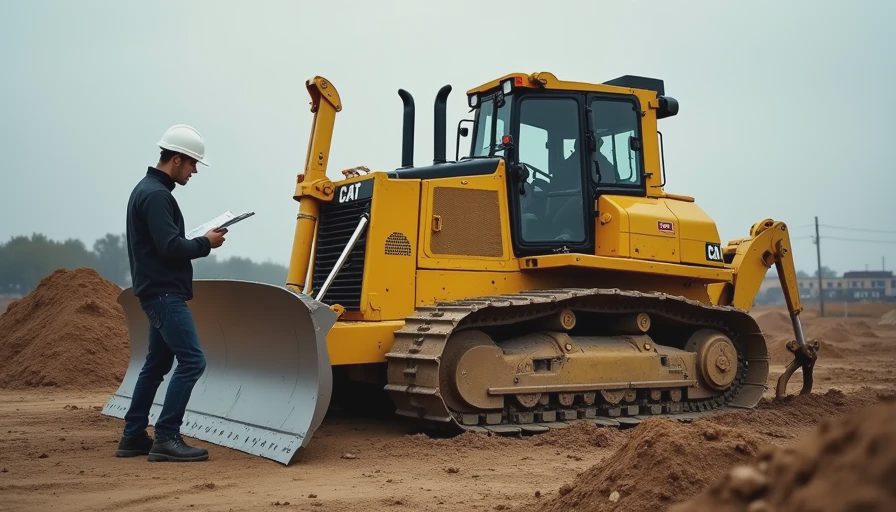
A cheap old dozer can be the most expensive machine on the yard if the undercarriage is near the end of its life. That is where I start, because steel wear is hard to fake. Crawl under the machine, look at the track chain stretch, inspect the sprocket teeth, and check whether the rollers have flat spots or oil leaks. If the rails are sharp enough to catch your boot and the sprockets look like shark fins, the machine is not cheap anymore. It is just underpriced.
The next thing I watch is the drive line and steering system. On a machine like this, a hard left or right should not feel vague, grabby, or delayed. If the machine pulls unevenly, chatters, or takes a lot of lever effort, you may be looking at steering clutch trouble, brake issues, or contamination that has been ignored for years. That kind of repair can run from a few thousand dollars into the kind of money that makes a buyer walk.
How to inspect the engine side without getting fooled
The engine story matters, but I do not start there because old diesels can still make noise while hiding bad habits. I want a clean cold start, not a warmup done before I arrive. Watch for hard cranking, blue smoke that hangs around, coolant overflow, and crankcase pressure. Then pull the dipstick and look for fuel dilution or milky oil. If the seller keeps the machine running for you before the walkaround, ask yourself why.
Cooling is another place where a bargain disappears. A clogged radiator, weak water pump, or tired fan belt can turn a short job into an overheating episode. Open the side panels and look for packed debris, patched hoses, and corrosion around the core. I also want to see evidence that somebody cared enough to change filters, grease pins, and keep the belly pan from turning into a compost bin. Maintenance on a machine this age is not a bonus. It is the difference between a usable crawler and a yard ornament.
If you can get an oil sample, take it. A quick fluid analysis will not tell you everything, but it can reveal fuel, coolant, and abnormal wear metals before the machine steals your weekend. That is money well spent when a cheap machine can swallow a five-figure repair budget in a hurry.
The parts that usually set the price
On a john deere 1010 bulldozer, the ugliest surprise is usually not the engine. It is the wear stack that sits under the machine and on the outside of it. Tracks, pins, bushings, idlers, rollers, and sprockets can all be worn together, which means you are not buying one repair. You are buying a system. That is why a machine that feels solid from the seat can still need several thousand dollars before it is truly dependable.
Hydraulic leaks are another trap. A wet cylinder rod, tired hose, or seep at the pump does not always sound urgent, but leaks show up again after the first hot day of work. If the blade is slow to lift, drifts down, or feels uneven side to side, do not assume it is just old age. Old age can be expensive, and in this business expensive usually starts with ignored hydraulics.
Use the same common sense on the controls. Slack levers, sloppy linkages, and broken seat mounts do not stop the machine from moving, but they tell you how the last owner treated everything else. Poor maintenance habits travel as a pack. If one system is neglected, others usually are too.
How to negotiate without guessing
This is where buyers get either smart or sentimental. If the seller wants $12,000 and you are looking at worn rails, leaky cylinders, and a cooling system that has not been serviced in years, you are not negotiating a discount. You are negotiating reality. A hose and filter refresh might be a $500 to $1,500 day. A steering clutch or brake repair can climb into the low thousands. An undercarriage that is near the limit can erase the value of the whole deal.
The cleanest way to negotiate is to put your findings in writing. Not a novel, just a plain list of what is worn, what leaks, what functions slowly, and what the machine will need before it goes to work. Sellers listen differently when the conversation shifts from opinions to repair scope. If the machine is honest but tired, that is one price. If the machine is tired and hidden under a fresh coat of paint, that is another.

When this old dozer still makes sense
I like old iron when the job is right. A john deere 1010 bulldozer can still make sense for a landowner, a small contractor, or a farm that needs occasional clearing more than production speed. If you need a machine that will sit most of the year and then work hard for a few days at a time, a well-sorted crawler can earn its keep. The key is buying condition, not nostalgia.
The smartest buyers keep a parts source in mind before they sign. Salvage yards, online listings, and local repair shops matter when you are dealing with older equipment. Availability changes the math. A machine that needs rare parts can turn a simple repair into a long wait, and downtime is what makes a bargain expensive. If you cannot tolerate that, keep looking.
My rule is simple: inspect the undercarriage first, the powertrain second, and the hydraulics third. If those three areas are sound, the rest of the machine is usually manageable. If they are not, walk away and let the next buyer pay for the education. The iron does not care who gets attached to it. It only tells the truth when you start running it.
A john deere 1010 bulldozer is not a bad machine just because it is old. It is a bad buy when somebody mistakes age for value. Check it like you plan to own the repair bill, because eventually you will.
Hours logged: 0 on this exact machine, but enough teardown time on older crawlers to know where the money goes. Fluid samples pulled: too many to trust a warm start alone. Parts replaced: the expensive ones usually begin with neglect. Iron tested. Iron told.

00 Transmissions
No transmissions yet. Yours opens the channel.