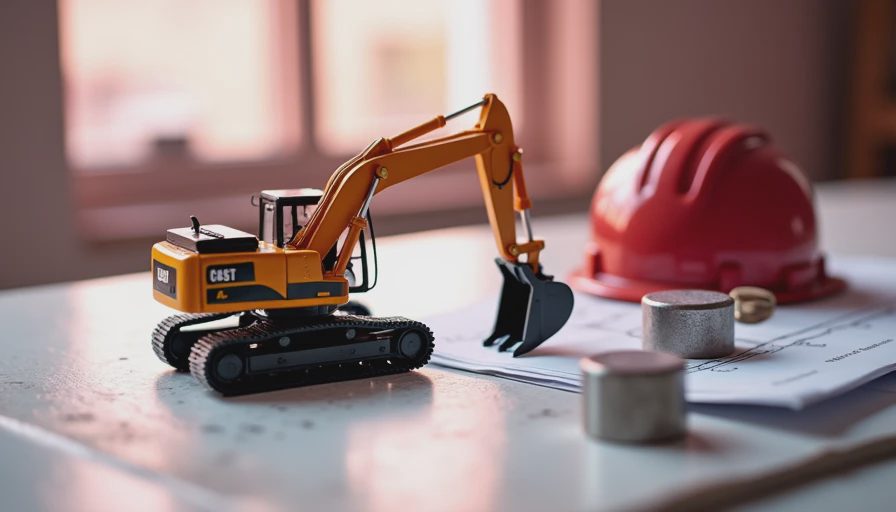
A 2 ton excavator sits in the sweet spot between a landscaping toy and a full-size production machine. It can trench utilities, dig footings, clear stumps, and work behind a residential gate without bringing a lowboy and half a dozen permits. But the badge on the counterweight does not tell you whether the machine will earn money or spend its life waiting for parts. When I inspect a 2 ton excavator, I start with hydraulic response, undercarriage wear, service history, and the actual work it must perform.
This is not a brochure comparison. A machine that weighs roughly 4,000 to 5,000 pounds can be remarkably productive, but its limits arrive quickly when you ask it to lift wet soil, reach over a trench, or run a hydraulic breaker all day. The iron doesn't lie. It tells you where the design is strong and where the purchase order needs a closer look.
What a 2 ton excavator can really do
The first question is not which brand has the nicest cab. It is whether the machine matches your daily loads. A 2 ton excavator is excellent for water and electrical trenches, small septic work, landscape demolition, irrigation lines, driveway drainage, and stump removal. Its compact tail swing also helps when the operator is working beside a house, retaining wall, or parked vehicle.
Typical maximum digging depths fall around 7 to 9 feet, with reach commonly landing between 12 and 15 feet. Exact figures depend on boom geometry, arm length, track width, and whether the machine has a long-arm option. Bucket breakout force is usually enough for ordinary clay and loose gravel, but dense caliche, fractured rock, and frozen ground expose the difference between a strong hydraulic package and a weak one.
A 2 ton excavator is not a substitute for a 5-ton machine when production volume matters. You will make more passes, swing less material per cycle, and spend more time repositioning. That tradeoff can still work financially if access is tight and transport is simple. A contractor who avoids one $500 delivery charge several times a week quickly sees the value.
Hydraulic performance matters more than the paint
At the test yard, I judge small excavators by how they behave after the first ten minutes, not during a cold demo. Start with a cold hydraulic system. Raise the boom, crowd the arm, and swing under load. The functions should be predictable rather than jerky. When two functions are operated together, the engine should not sound as if somebody shut a door on the fuel supply.
Here is the three-sentence diagnostic: slow boom lift is the symptom. Low pilot pressure, a tired pump, restricted suction, or an engine that cannot hold rated speed may be the root cause. Check pressures and flow before blaming the operator or agreeing to a major pump replacement.
On a 2 ton excavator, auxiliary flow deserves special attention. A thumb, auger, breaker, or brush cutter can turn a versatile machine into a repair bill if the circuit is undersized or poorly adjusted. Ask for the auxiliary-flow range, then match it to the attachment manufacturer's requirements. Running a high-flow attachment on a low-flow circuit does not create free performance; it creates heat.
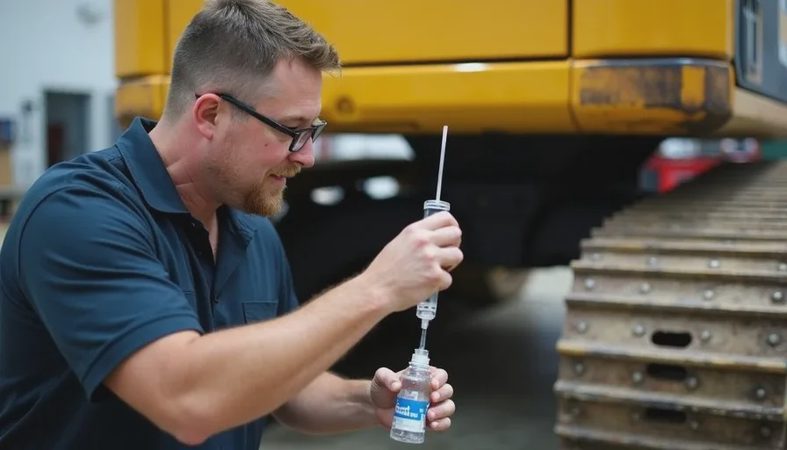
Run the machine long enough to bring hydraulic oil to operating temperature. A unit that feels sharp for five minutes and then loses speed after an hour has told you something important. Pulling an oil sample costs little compared with replacing a contaminated pump and valve block.
Comparing brands without repeating the brochure
Kubota, Bobcat, Takeuchi, Caterpillar, John Deere, and Yanmar all offer compact excavators with different control layouts, dealer coverage, and attachment ecosystems. I would not declare one universally best from a spec sheet. Local parts support can matter more than an extra 300 pounds of rated lift.
For a 2 ton excavator, compare four numbers directly: operating weight with the bucket installed, maximum digging depth, rated lift at a realistic working radius, and auxiliary hydraulic flow. Then compare service intervals and filter prices. A $25 fuel filter is not a deciding factor by itself, but difficult access that adds an hour to every service interval becomes real money across 2,000 hours.
A useful field comparison is cycle time. Fill the same bucket with the same material, swing 90 degrees, dump, and return. Repeat ten cycles after the oil is hot. Record the average time and fuel used. A machine that moves 10 percent more material per hour can beat a cheaper purchase price even if its advertised breakout force looks similar.
Cab comfort also affects production. Joystick placement, visibility over the blade, seat suspension, and access to the engine bay determine whether an operator can work an eight-hour day without accumulating avoidable fatigue. Comfort is not luxury when fatigue causes missed trench lines and damaged utilities.

Used-machine inspection: the expensive clues
A used 2 ton excavator can be a smart buy, especially when the seller provides service records and allows a cold start. It can also hide years of rental abuse under fresh paint. Start at the tracks. Measure track pad wear, inspect sprocket teeth, and look for loose rollers or leaking final drives. A worn undercarriage can consume $2,000 to $5,000 before the machine earns its first dollar.
Next, push the blade into firm ground and lift the front of the machine slightly. Excessive movement at the boom foot, arm pin, or bucket linkage points to worn bushings and pins. A little clearance is normal; visible clunking is not. Cycle the boom, arm, and bucket against relief briefly, then inspect hoses and fittings for fresh oil. Oil sprayed onto a dusty machine is evidence, not cleanliness.
Check the slew bearing by extending the arm, placing the bucket lightly on the ground, and feeling for movement as the upper structure rotates. Listen for grinding or a heavy knock. Swing gear repairs are not automatically catastrophic, but they need to be priced before closing the deal.
The engine should start without extended cranking, excessive white smoke, or blow-by pouring from the breather. Record coolant temperature and hydraulic temperature during a working trial. If the seller will not permit a cold start or load test, price the machine as an unknown, not as a documented survivor.
Cost per hour and attachment math
Purchase price is only the first line on the spreadsheet. Add transport, financing, scheduled filters and fluids, tracks, pins and bushings, insurance, storage, and an allowance for downtime. A lightly used machine might cost $35,000 to $55,000 depending on age, hours, configuration, and attachments. A worn unit that looks cheap at $25,000 can become expensive after tracks, hoses, and a hydraulic repair.
For a 2 ton excavator, track replacement might run roughly $1,500 to $3,000 for rubber tracks, while a thumb can add $2,000 to $6,000 depending on whether it is hydraulic and professionally installed. Spread those costs across expected hours rather than hiding them in a general maintenance column. If a $3,000 repair is expected over 1,000 hours, that is already $3 per hour before fuel and labor.
Attachments should follow the work, not the sales pitch. A 12-inch trenching bucket, a wider cleanup bucket, and a hydraulic thumb cover many small-contractor jobs. A breaker makes sense when utilization is steady; renting one for occasional concrete removal is often cheaper than carrying its maintenance burden year-round.
My buying checklist
Before signing, run the machine cold and hot. Confirm hour-meter consistency against service invoices, inspect the serial plate, and verify that any advertised attachment is included in writing. Test travel speed in both directions and compare track motor behavior. Operate the swing on level ground and on a slight grade. Check every warning light, work light, safety interlock, and control pattern selector.
Then price the first 500 hours honestly. Include a complete fluid service, filters, grease, track adjustment, and any safety repairs. If the purchase still works after those costs, you are looking at a tool rather than a gamble. If the seller resists basic inspection, walk away. There will be another machine.
For most contractors, the right 2 ton excavator is the one that fits the access limits, has dealer support within practical reach, and shows controlled wear instead of cosmetic preparation. Buy based on measured performance, not the shine on the counterweight. The iron doesn't lie.
Hours logged: inspection protocol based on field service and compact-equipment evaluations. Fluid samples pulled: required before a serious purchase. Parts replaced: price them before the handshake. Iron tested. Iron told.

00 Transmissions
No transmissions yet. Yours opens the channel.