If you searched for bobcat caterpillar, start with the basic fact that saves buyers from a very expensive misunderstanding: Bobcat and Caterpillar are separate equipment manufacturers. Bobcat builds compact loaders, mini excavators, utility machines, and related attachments. Caterpillar builds a much broader range of construction and mining equipment, from skid steers and compact excavators to 300-size excavators, dozers, wheel loaders, and haul trucks. They can compete in some classes, but they are not the same company and do not share one universal parts or dealer network.
That distinction matters when you are comparing a $45,000 used compact track loader with a $250,000 excavator. The machine class, local dealer response, operating environment, attachment plan, and maintenance history matter more than a familiar paint color. I have spent years teaching technicians to separate a real mechanical signal from sales-floor noise. Here is the useful version of that process.
Bobcat Caterpillar: Different strengths, different jobs
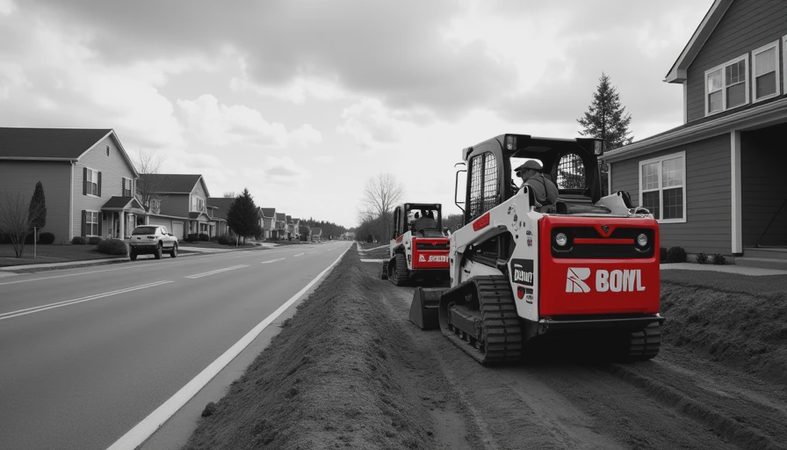
The most practical bobcat caterpillar comparison begins with application. Bobcat is strongly associated with compact equipment. A T66 compact track loader, S76 skid-steer loader, E50 compact excavator, or comparable unit fits contractors working in landscaping, residential excavation, utility trenching, grading, and site cleanup. These machines are easier to transport, often fit through tighter access points, and can earn money on smaller jobs without the fuel and hauling burden of larger iron.
Caterpillar offers compact equipment too, including skid-steer loaders, compact track loaders, and mini hydraulic excavators. Its major advantage is depth across the construction chain. A contractor can move from a small excavator to a 320 excavator, a 950 wheel loader, or a D6 dozer while staying inside one broad product ecosystem. That does not automatically make CAT the better choice. A contractor who spends most of the week behind a house may lose money hauling and fueling a machine sized for a road project.
The right question is not which logo wins. Ask which machine completes your common work at the lowest productive cost per hour.
Compare hydraulics, controls, and attachments
In a bobcat caterpillar purchase, hydraulic performance deserves more attention than peak horsepower. Test the machine with the attachment you actually use. A bucket that curls slowly under load, a mulcher that overheats the hydraulic system, or an auger that stalls can erase the value of a high-flow option.
Bobcat has built a large attachment ecosystem around compact loaders. That is useful for contractors who switch between buckets, pallet forks, grapples, trenchers, planers, snow attachments, and brush cutters. Caterpillar also supports extensive attachments, particularly through its compact and construction equipment channels. Compatibility is not just a matter of whether the coupler connects. Confirm hydraulic flow, electrical connectors, auxiliary pressure, return-line requirements, and attachment weight before signing a purchase order.
Control feel is personal, but the inspection is objective. Run both travel directions, lift a cold bucket, operate auxiliary hydraulics for several minutes, and watch for surging, whining, heat, or a hydraulic function that slows as the oil warms. A clean cab cannot hide a tired pump.
What used buyers should inspect first
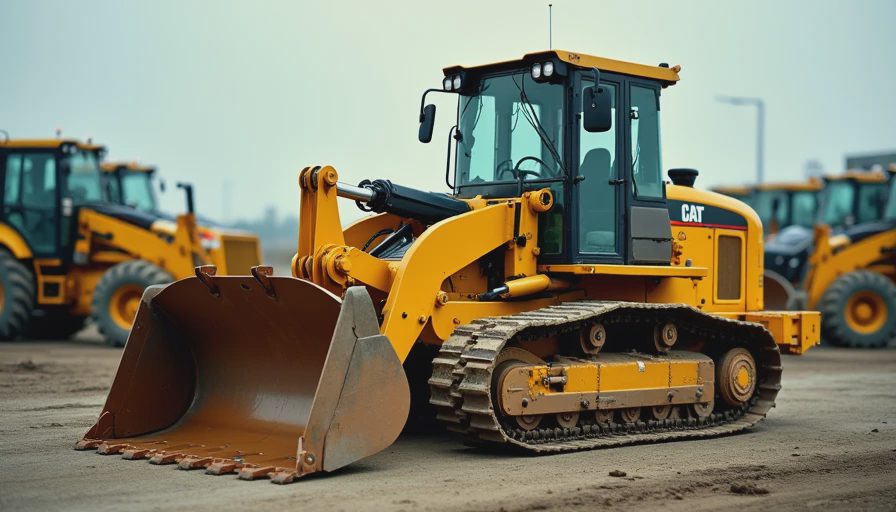
A used bobcat caterpillar machine should be treated like a working asset, not a polished vehicle. Start with hour-meter credibility. Compare displayed hours with seat wear, pedal wear, joystick condition, service stickers, and electronic service records. A machine showing 2,100 hours with nearly unworn controls deserves questions; so does one showing 6,000 hours with no documented hydraulic work.
Look underneath before you open the engine cover. On a compact track loader, inspect sprockets, rollers, idlers, track tension, final-drive leakage, and frame cracks near high-load areas. On a mini excavator, check slew-ring play, boom-foot movement, cylinder rod pitting, and signs of oil around the swing motor. On larger Caterpillar excavators and loaders, inspect articulation points, bucket linkage, cooling-pack debris, and frame welds.
Pull oil samples from the engine, hydraulic system, final drives, and, where practical, the transmission. A lab cannot predict every failure, but abnormal silicon, fuel dilution, coolant contamination, or elevated wear metals can change a $100 inspection into a $20,000 negotiation. Also pressure-wash nothing before inspection. Dirt patterns often show where a leak started.
Dealer support can decide the purchase
The strongest bobcat caterpillar argument depends on the dealer standing behind the iron in your region. A familiar brand with a weak local service department is not a reliable production plan. Ask how quickly the branch can dispatch a field technician, which hydraulic and electrical parts it stocks, and whether after-hours support exists during your busy season.
Parts pricing can vary dramatically. A routine filter service may be manageable at a few hundred dollars, while a failed compact-loader final drive, hydraulic pump, or emissions component can push a repair into the several-thousand-dollar range. Larger excavator repairs can run well beyond $10,000 once labor, hoses, contamination cleanup, and downtime are included. Get a parts estimate for the components most likely to stop your machine: pumps, injectors, travel motors, sensors, tracks, and control valves.
Do not compare only the new-machine discount. Compare the dealer's labor rate, travel charge, loaner policy, warranty response, and average parts lead time. Thirty days waiting for a common hydraulic component is a production problem, not an administrative detail.
Ownership cost: run the numbers before buying
A bobcat caterpillar decision should include transport, fuel, tires or tracks, attachments, scheduled service, insurance, financing, and resale value. A compact track loader may burn less fuel per hour than a larger wheel loader, but tracks can become a major replacement expense when used on abrasive desert ground or broken concrete. A skid steer with tires may cost less to maintain on pavement, while a track loader can deliver better flotation and grading performance in soft soil.
Build a simple hourly estimate. Add the purchase price, expected interest, scheduled maintenance, wear parts, and a repair reserve. Divide that total by realistic billable hours, not the maximum hours shown in a brochure. If a $90,000 machine produces 700 billable hours a year, losing two weeks to a failed drive motor has a different financial impact than it does for a landscaping company using the machine 150 hours annually.
For a used purchase, retain at least several thousand dollars for immediate corrections unless the inspection proves unusually strong. New tracks, hoses, batteries, fluids, and a neglected cooling system can consume the apparent bargain quickly.
The buying procedure I would use
First, define the ten jobs that generate most of your revenue. Second, select the smallest machine that performs those jobs without living at maximum hydraulic pressure every day. Third, test the exact attachment combination under load. Fourth, obtain service records and fluid samples. Fifth, call the local dealer with the serial number and ask about parts availability and known service campaigns. Finally, price the machine as a three-year operating decision rather than a monthly payment.
The bobcat caterpillar debate gets less confusing when the work comes first. Choose Bobcat when compact access, attachment flexibility, and a strong local support channel fit your operation. Choose Caterpillar when its specific machine, dealer resources, technology, or larger equipment path matches the work you actually have booked. Do not choose either because a salesperson says the brand is “bulletproof.” Iron does not respond to adjectives. It responds to maintenance, loading, cooling, clean fluids, and competent repair.
If you are inspecting a machine now, record the serial number, hours, fluid condition, cold-start behavior, hydraulic temperature, and every leak before negotiating. A $300 inspection can protect an $80,000 purchase. That is a better investment than guessing from paint and reputation.
Hours logged: comparison guidance based on equipment classes, not a claimed durability test. Fluid samples pulled: none for this buying guide. Parts replaced: none. Iron tested? Not in this article. Iron still told.
00 Transmissions
No transmissions yet. Yours opens the channel.