
An articulating loader earns its keep where a rigid-frame wheel loader starts breaking traction, running out of room, or beating itself apart on rough haul roads. I have watched contractors buy an articulating loader for the wrong application, then spend the next year paying for undercarriage-like tire wear, driveline repairs, and poor cycle times. The machine is not complicated in principle. It is a center-hinged loader built to carry, turn, and climb. The purchase decision is complicated because the wrong size can bury an operation in fuel and maintenance costs.
The iron does not lie. Start with the work, not the paint color or the biggest horsepower number. Define your payload, haul distance, ground conditions, loading tool, annual hours, and local service support. Then compare the machine's measured productivity against its ownership cost.
What an articulating loader does differently
An articulating loader uses a pivot joint between the front and rear frames. The joint lets the front section follow the rear section through turns, while oscillation allows the machine to keep more tire contact on uneven ground. That design is valuable in quarries, sand and gravel pits, forestry, land clearing, agriculture, and road construction. It is less attractive when the job requires tight precision around buildings or frequent travel on paved roads.
The advantage is flotation and maneuverability. A properly sized articulating loader can carry a useful load across soft fill or broken terrain without the rigid chassis forcing every impact into the frame. The tradeoff is more moving hardware: articulation pins, bushings, steering cylinders, hydraulic hoses, center-frame structure, and oscillation components all need inspection and lubrication.
Payload is the first number to verify, but it is not the only one. Bucket fill factor, material density, tire size, dump clearance, turning radius, and travel speed decide whether the loader actually completes a profitable cycle. A 5-cubic-yard bucket filled with light mulch behaves very differently from the same bucket working in wet clay or blasted rock.
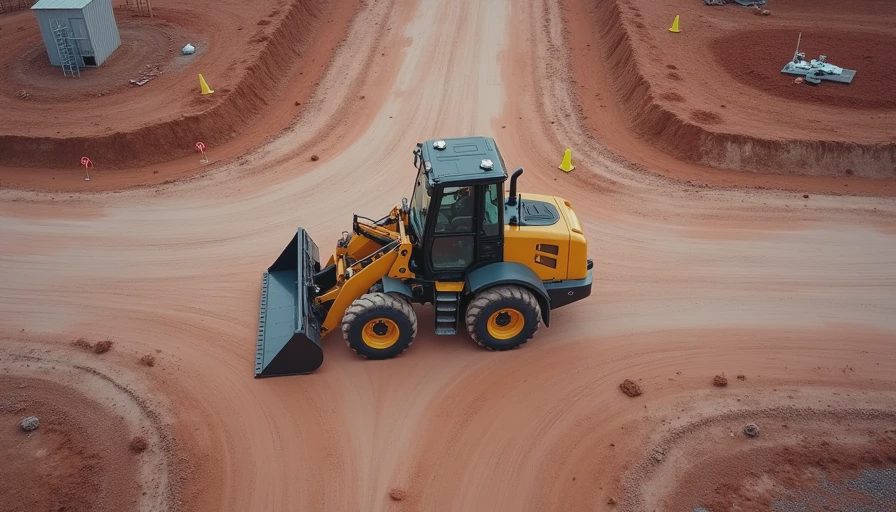
The specifications that matter in the field
Horsepower gets attention because it is easy to print on a brochure. I care more about usable hydraulic power, transmission behavior, and the weight-to-payload relationship. A machine that needs high engine speed to maintain lift force can burn substantially more fuel than one that performs the same loading cycle at lower revs. Record gallons per hour over a full shift, not during a ten-minute demonstration.
For an articulating loader, check the rated operating load and tipping load together. The rated figure is usually limited by stability or hydraulic capability, and the allowed load changes with attachment, lift height, and operating configuration. Ask the dealer to demonstrate the machine with the bucket and material you actually use. A clean bucket curl on empty ground proves very little.
The transmission should shift without a flare, harsh engagement, or unexplained hesitation. Test forward and reverse repeatedly at working temperature. Listen for axle whine under both acceleration and coast conditions. A driveline that sounds acceptable cold can reveal bearing wear after an hour of hauling. Tire size also changes the machine's behavior; larger tires improve clearance and flotation but can increase replacement cost and affect stability.
Inspecting a used machine before purchase
A used articulating loader deserves a pressure washer, flashlight, grease gun, and fluid sampling plan before anyone talks price. Begin with the frame. Look at the articulation joint for fresh welds, elongated pin bores, cracked gussets, and grease that has turned metallic. Check whether the joint moves smoothly while an operator slowly steers left and right. Excessive movement is not cosmetic. It can damage hoses, steering cylinders, and the frame itself.
Next, inspect the bucket linkage and lift arms. Shiny metal around a pin, uneven bushing wear, or a bucket that sits crooked can indicate years of poor lubrication. Examine hydraulic cylinders for rod pitting and wet seals. A damp cylinder is a repair conversation; oil running down the rod is a repair bill.
Pull engine oil, hydraulic oil, transmission oil, and axle samples when the fluids are warm. A laboratory report will not predict every failure, but it can identify coolant contamination, abnormal wear metals, dirt entry, or a neglected service interval. Match the results to service records and hour-meter evidence. If the hour meter says 4,200 hours but the pedals, seat, steering wheel, and bucket pins look like 12,000, believe the wear until the seller proves otherwise.
Ownership cost is more than fuel
Budget the articulating loader as a cost-per-hour machine. Fuel, tires, planned filters, grease, fluids, repairs, insurance, financing, and depreciation all belong in the spreadsheet. For a mid-size unit, four tires can represent several thousand dollars, while a full set of large quarry tires can push far beyond that. A single hydraulic hose is manageable; repeated hose failures near the center joint point to routing, movement, or mounting problems.
Service access matters just as much as component life. Can a technician reach the filters without removing guards? Are common parts stocked within a reasonable distance? Does the dealer offer field service after hours during your busy season? A machine that costs $15,000 less but sits idle for three days waiting for a sensor can lose that discount quickly.
For an articulating loader running 1,000 hours annually, build a reserve for tires and unscheduled repairs rather than pretending every hour will be trouble-free. The reserve is not pessimism. It is how a fleet manager avoids borrowing against payroll when a transmission or axle decides to retire early.
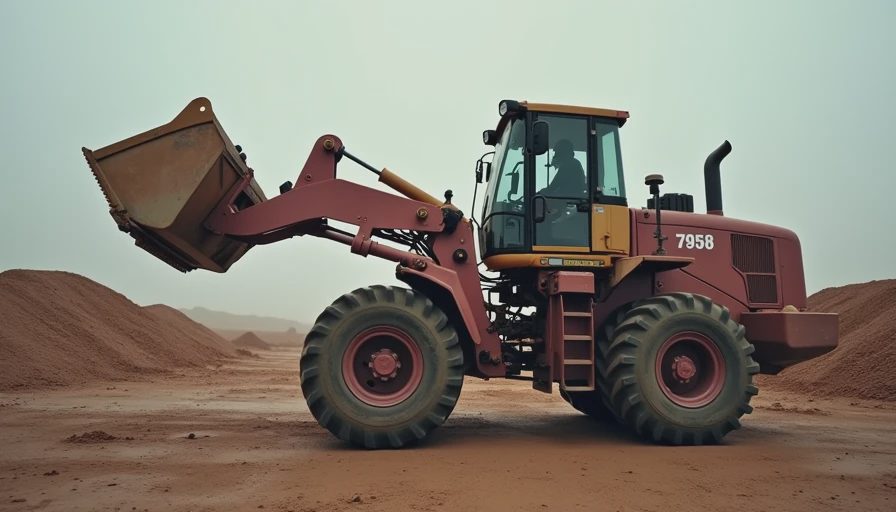
Matching brands and models to the job
Volvo, Caterpillar, Komatsu, John Deere, Hyundai, Hitachi, and Liebherr all have strong names in portions of the wheel-loader market, but the badge does not tell you whether a particular used machine is a good buy. Dealer coverage, parts response, operator familiarity, and resale demand often matter more than a small difference in rated horsepower.
A Volvo articulating loader might be attractive where operator comfort and haul-road performance carry real value. Caterpillar and Komatsu machines can benefit from broad dealer support in many regions. John Deere may fit a contractor already standardized on its parts and diagnostic systems. Those are starting points, not conclusions. Compare the exact model year, transmission, axle arrangement, emissions system, attachment, and documented repairs.
I would rather buy a straight machine with 6,000 documented hours than a neglected example showing 3,500. The cleanest deal is the one with consistent service records, oil samples, and an inspection that explains what has already been replaced.
A practical buying sequence
First, write down the material density, target payload, average haul distance, ramp grades, and annual hours. Second, rent or demonstrate the correctly sized articulating loader for a full shift, measuring fuel used, loaded cycle time, tire slip, and operator complaints. Third, obtain records and fluid samples on every used candidate. Fourth, price tires, filters, hoses, pins, and dealer labor before negotiating.
Finally, put the inspection findings into dollars. A worn articulation joint, leaking lift cylinder, and bald tire set are not vague concerns; they are line items. Subtract those costs from the purchase offer, or walk away when the seller will not provide access.
The right articulating loader makes rough ground look routine. The wrong one turns every production hour into a repair decision. Buy the machine that fits the material, has support behind it, and can prove where its hours went. The iron does not lie.
Hours logged: verify the records. Fluid samples pulled: take them before money changes hands. Parts replaced: document every major component. Iron tested. Iron told.

00 Transmissions
No transmissions yet. Yours opens the channel.