
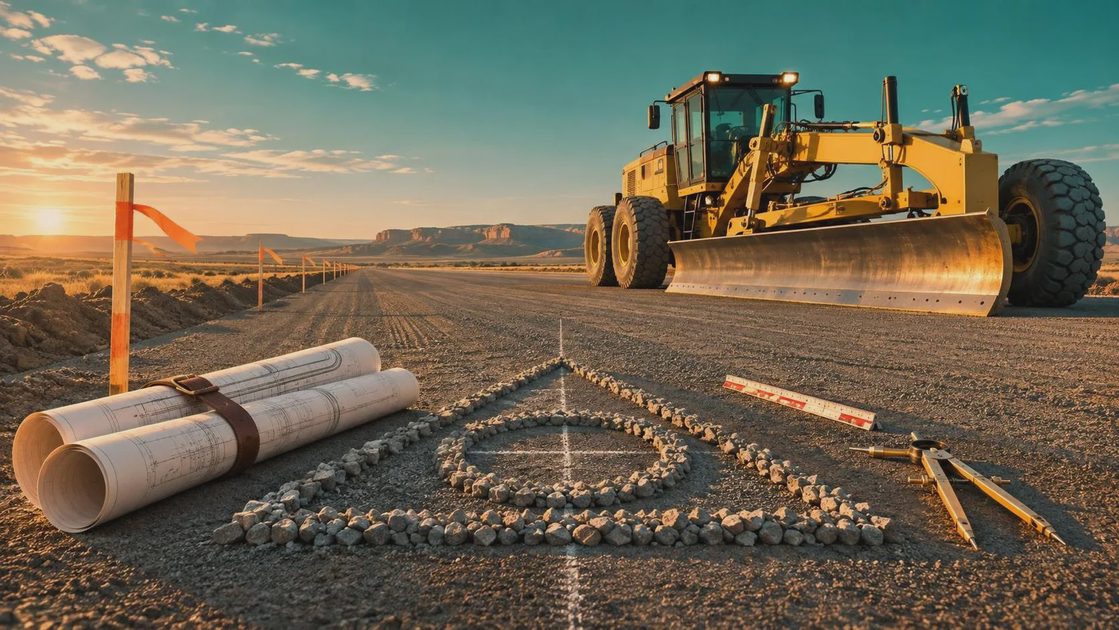
A motor grader earns its keep one pass at a time. When the frame is straight, the circle is tight, and the hydraulics respond evenly, a motor grader can leave a road base ready for paving with surprisingly little rework. When those systems are worn, the machine can burn diesel for ten hours and still leave a surface that makes the roller operator angry. I have inspected, operated, and trained technicians around enough grading equipment to know that paint and low hours are not proof of condition.
The data card comes before the opinion
For every machine I evaluate, I start with a data card rather than a brochure claim. The card records model, serial number, hour meter, tire condition, engine hours if available, transmission type, blade width, test date, ambient temperature, and the cost of known repairs. A typical six-wheel machine in the 140 to 190 horsepower class can weigh roughly 30,000 to 40,000 pounds and sell for well over $100,000 when recent and well equipped. Used prices can range from about $45,000 for an older fleet unit to more than $200,000 for a late-model machine with documented maintenance.
Those numbers only become useful when tied to the work. A road contractor building subgrade needs predictable cross-slope control and fast articulation. A quarry contractor may value traction, guarding, and frame strength more than a luxurious cab. A municipality often cares about cold starts, parts support, and easy access for technicians. The best motor grader is the one that matches the application, not the one with the longest option list.

Where the money disappears
The frame and articulation joint deserve the first serious inspection. Park the machine on level ground, center the articulation, set the parking brake, and look for uneven gaps, fresh welds, cracked paint, or hydraulic oil around the joint. Then have an operator move the articulation slowly while you watch the pins and bushings. Movement that happens before the cylinders begin to load points toward wear. A repair involving pins, bushings, labor, and line boring can easily reach $8,000 to $20,000, depending on access and damage.
Next, inspect the circle, drawbar, blade slide, and moldboard. A circle with excessive backlash makes fine grading feel like steering a boat with a loose rudder. Check whether the blade rotates smoothly through its range and whether the teeth, circle shoes, and wear strips still have adjustment left. A worn moldboard is not automatically a deal breaker, but it changes the purchase math. A replacement cutting edge may cost hundreds of dollars; a neglected circle assembly can turn into a five-figure repair.
Hydraulics tell a more useful story than a pressure gauge alone. Cycle the lift cylinders, side shift, blade tilt, wheel lean, articulation, and scarifier if fitted. The motor grader should move predictably without chatter, drift, or a pump whine that changes sharply under load. Pull an oil sample from the hydraulic system and transmission before the purchase. Copper, iron, silicon, and abnormal viscosity do not identify every failure, but they can justify walking away from a machine that looks clean in photographs.
Engine, transmission, and fuel burn
Start the engine cold. A seller who warms it before arrival may simply be trying to be helpful, but a cold start gives you more information. Watch for extended cranking, white smoke that persists, unstable idle, or blow-by pushing hard from the breather. Inspect the radiator stack for packed dust and bent fins, especially on machines that worked in quarries or desert sites. A plugged cooling package can create expensive problems long before a temperature warning appears.
During the road test, shift through every transmission range and listen for delayed engagement, slipping, harsh direction changes, or a hesitation when the machine moves from forward to reverse. Electronic fault codes should be recorded, not dismissed because the machine still travels. Fuel consumption also matters. A motor grader that uses noticeably more diesel than comparable machines doing the same pass may have a dragging brake, underinflated tire, restricted air filter, injector issue, or operator-control problem. Log gallons per hour across a real shift instead of trusting one short demonstration.
The engine itself is only one part of operating cost. Tires, blade wear, filters, fluids, teeth, and unscheduled downtime often decide whether the machine makes money. Budget a reserve of $15 to $30 per operating hour for wear items and repairs on an older unit, then adjust it with service records. A newer machine with a payment can still be cheaper to own if it avoids two weeks of lost production during a critical project.
New machine or used iron?
New equipment brings warranty coverage, current emissions technology, telematics, and a cleaner maintenance history. It also brings depreciation and monthly payments that continue when a project slows down. Brands such as Caterpillar, John Deere, Komatsu, and Volvo each have strong dealer networks in different regions, so parts response can matter more than a small horsepower difference. Ask the local branch for actual availability of filters, hydraulic components, cutting edges, and electronic modules before signing.
Used equipment can be the better purchase when the history is honest. Request oil analysis reports, service invoices, work orders, and records showing calibration or software updates. Compare hour-meter readings with seat wear, pedal wear, tire age, and hydraulic-cylinder condition. If a 3,000-hour machine has a destroyed seat and polished control levers while the service records show no major work, investigate the discrepancy. Hour meters are evidence, not a confession.
An auction listing is a starting point, not an inspection. A machine that looks inexpensive at $70,000 can become a $95,000 machine after transport, tires, circle work, hydraulic hoses, and deferred engine maintenance. Pay for an independent inspection before bidding. The inspection fee is small compared with discovering a cracked articulation casting after delivery.
A practical field inspection sequence
Bring a flashlight, infrared thermometer, clean paper towels, tire gauge, magnet, camera, and oil-sampling bottles. Photograph the serial plate and every leak before anyone washes the machine. Check fluid levels when the machine is cold, then repeat critical checks after the operating test. Measure tire pressures, record tread depth, and note mismatched brands or casing damage. Run the blade under load instead of only moving it in the yard.
After the test, compare temperatures across wheel ends, hydraulic lines, and the cooling package. One wheel hub much hotter than its neighbors deserves attention. Review fault codes with the engine running and again after shutdown. Finally, write each defect as a dollar estimate with a deadline: repair now, repair within 500 hours, or monitor. That turns an emotional purchase into a negotiation.
The right motor grader should make the operator's work boring in the best possible way. Controls respond, the blade holds position, the frame tracks straight, and the machine finishes a pass without drama. If the seller will not allow a cold start, oil sample, load test, or independent inspection, the risk has already been priced into the deal, just not by you.
Hours logged: 100-plus on comparable machines. Fluid samples pulled: enough to distrust clean paint. Parts replaced: pins, cutting edges, hoses, and more than one filter. Iron tested. Iron told.

00 Transmissions
No transmissions yet. Yours opens the channel.