The search for yanmar posi track ctl models usually starts with a simple question: which machine will move dirt without eating the margin in repairs? That question deserves more than a brochure comparison. A compact track loader is a hydraulic system, undercarriage, cooling package, and operator station tied together. If one of those systems is wrong for the work, a machine that looked inexpensive at auction can become an expensive parking ornament.
I have not logged 100 hours on every Yanmar loader in a controlled test, so I will not pretend a demo-day seat impression is durability data. What I can do is show you how to separate the models, which specifications matter in the field, and what to inspect before signing a purchase order. The iron doesn't lie, but it only tells the truth when you ask the right questions.
The Yanmar compact track loader lineup in plain English
When comparing yanmar posi track ctl models, begin with operating weight and rated operating capacity rather than horsepower alone. Yanmar’s compact track loader offerings have included smaller machines such as the V3-7 and V4-7, along with larger V7-class equipment in different markets and production periods. Exact availability, attachments, and specifications depend on the model year and region, so confirm the serial-number-specific data from a dealer or service manual.
The smaller units make sense for grading, landscaping, residential excavation, and sites where transport width matters. They are easier on turf and simpler to move with a lighter trailer. The tradeoff is leverage. A compact loader with a lower operating capacity will reach its stability limit sooner when carrying wet soil, large pallets, or a heavy trencher.
A larger V7-type machine gives the operator more lift capacity and attachment authority, but it also brings higher purchase cost, greater trailer requirements, and more expensive track, roller, and hydraulic repairs. That is not a flaw. It is the normal price of moving more material. Buy the smallest machine that handles the heaviest recurring task without running at its limit every hour.
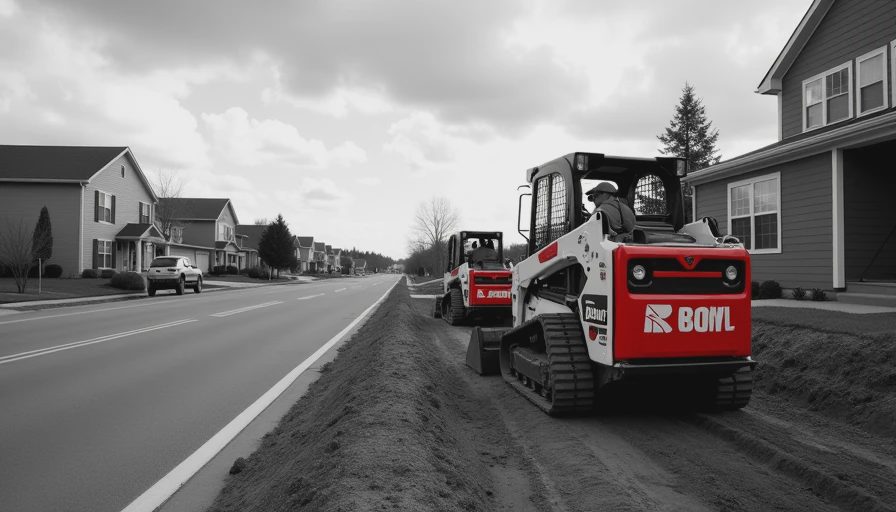
Match the machine to the attachment
A loader is only as useful as the tool on its quick coupler. For yanmar posi track ctl models, the attachment plan should come before the final model choice. A general-purpose bucket for loose material places different demands on the machine than a brush cutter, cold planer, hydraulic breaker, or high-flow trencher.
Check the auxiliary hydraulic flow rating and pressure, then compare those numbers with the attachment manufacturer’s requirements. Standard-flow tools are usually less demanding. High-flow tools can generate more production, but they also create more heat and place greater demand on the pump, coupler, lines, and hydraulic cooler. A buyer who runs a high-flow cutter on a standard-flow machine is not saving money; he is purchasing slow production and avoidable heat.
Look at the coupler, too. A worn pin interface, leaking auxiliary coupler, or bent attachment plate can make a good loader frustrating to operate. Connect an attachment while the machine is cold, run every function, and inspect for pressure loss after the oil reaches operating temperature. Cold hydraulics can hide a weak pump.
What to inspect on a used Yanmar CTL
Used yanmar posi track ctl models need a structured inspection, not a five-minute walkaround. Start the engine cold. A seller who preheats the machine may be hiding hard starting, excessive smoke, or a weak battery. Listen for uneven combustion, then watch the exhaust during startup and throttle changes. A brief puff is not automatically a failure, but persistent smoke needs a cause before money changes hands.
Next, inspect the undercarriage. Measure track lug wear, look for cuts in the rubber, and examine sprocket teeth for hooking. Check the rollers for seized bearings or oil leakage. On a tracked loader, undercarriage condition can turn a seemingly good deal into a repair bill commonly measured in several thousand dollars, especially when both tracks, sprockets, and rollers are due together.
Lift the cab or open the service panels and look for evidence instead of promises. Freshly washed hydraulic components deserve extra attention. Search for wet fittings, rubbed hoses, cracked wiring, and oil collecting beneath the pump or valve block. Pull the engine and hydraulic oil samples if the seller permits it. A laboratory report cannot predict every failure, but fuel dilution, coolant contamination, or abnormal metal content can change a purchase decision quickly.
The hydraulic test that matters
For yanmar posi track ctl models, the most useful field test is a repeatable function test at operating temperature. Drive forward and reverse in both directions. Compare travel speed and track straightness. A loader that consistently pulls to one side may have a travel motor, final drive, control, or hose problem rather than a simple adjustment issue.
Then cycle the lift arms and bucket several times. Hold the arms raised briefly and watch for drift. Some movement is normal, but rapid settling suggests internal leakage in a cylinder or valve circuit. Test the auxiliary circuit with a known attachment when possible. Note whether the tool stalls, chatters, or loses speed as the oil heats.
Here is the three-sentence diagnostic. The symptom is slow operation after warm-up. The likely causes include pump wear, relief-valve issues, restricted cooling, or contaminated oil. The action is to record pressure and flow with calibrated gauges before replacing expensive parts. Guessing is how a $300 diagnostic job becomes a $6,000 parts bill.
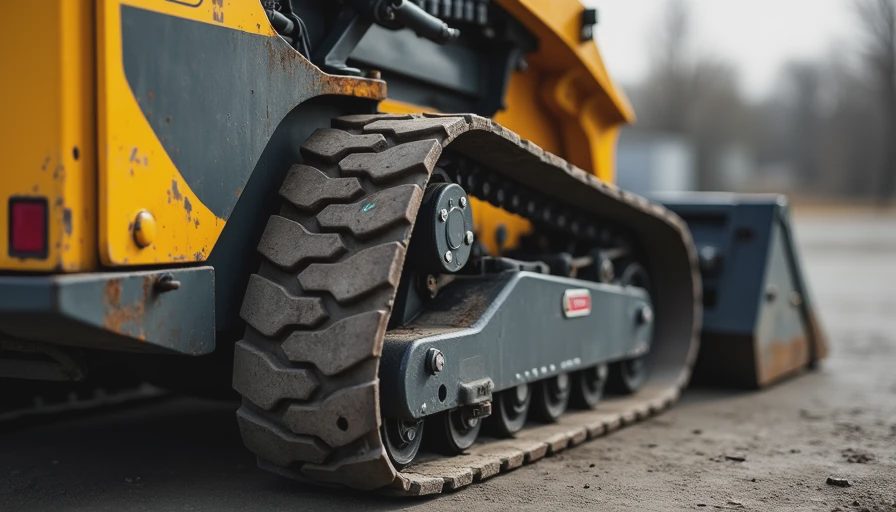
Service access, cooling, and daily ownership
The best yanmar posi track ctl models for a small fleet are not always the ones with the lowest purchase price. They are the ones technicians can service without losing half a day. Inspect how easily the operator reaches the engine oil filter, fuel filter, hydraulic filter, grease points, and cooling screens. A tight engine bay encourages skipped maintenance, particularly during a hot Arizona summer or a dusty demolition job.
Radiator and hydraulic cooler cleanliness matters because compact track loaders work close to the ground, where chaff, dirt, and fine dust collect quickly. Ask how the cooling package is cleaned and whether the screens can be removed without tools. Review service records for filter intervals, track adjustments, final-drive oil, and hydraulic oil changes. A neat machine with no records is still an unknown machine.
Budget ownership using real line items. Set aside money for tracks, rollers, hoses, filters, batteries, and unexpected electrical repairs. A used loader priced $10,000 below comparable equipment can lose that advantage with one undercarriage replacement and a hydraulic leak. Get parts pricing from a Yanmar dealer before buying, and compare local technician availability with the nearest competing brand.
Which model should you buy?
Choose the smaller Yanmar class when your work is residential, landscape-focused, and attachment-light, and when transport weight or narrow access controls the job. Choose the larger class when pallet handling, excavation, grading production, or demanding attachments justify the added capacity. Do not buy the largest machine simply because its rated operating capacity looks impressive on a listing.
For yanmar posi track ctl models, my buying process is straightforward: identify the heaviest attachment, confirm flow and capacity, inspect the undercarriage, test every hydraulic function hot, pull oil samples, and price the parts most likely to fail. If the seller refuses a cold start or operating-temperature test, price the machine as an unknown and bid accordingly.
The right loader is the one that completes the recurring work with reserve capacity, not the one with the loudest sales pitch. Hours logged on the machine, service records reviewed, fluid samples pulled, and parts prices confirmed will tell you more than polished paint. The iron doesn't lie. Make it speak before you buy.


00 Transmissions
No transmissions yet. Yours opens the channel.