A bobcat skid steer loader can be the most productive machine on a small earthmoving crew, or the most expensive orange-and-white paperweight in the yard. The difference is rarely the paint, the advertised lift capacity, or the dealer’s demo route. It comes down to hydraulic health, service history, operator fit, and whether the machine matches the work you actually bill for. I have spent enough time around pumps, couplers, and final drives to know one rule: the iron doesn't lie.
Start With the Job, Not the Brochure
Before comparing a bobcat skid steer loader against a competing compact track loader or wheeled skid steer, write down the work it must perform every week. A landscaping contractor moving mulch needs different equipment from a grading crew carrying full buckets of wet clay. A demolition operator may care more about auxiliary hydraulic flow and cab protection than a low purchase price.
List your attachments first. A standard bucket, pallet forks, and a brush cutter create three different demands. Check the attachment’s required hydraulic flow, pressure, operating weight, and electrical connections. Standard-flow auxiliary hydraulics can handle many buckets and augers. High-flow systems are useful for planers, forestry cutters, trenchers, and other hydraulic-hungry tools, but they add purchase cost and can increase maintenance exposure.
Rated operating capacity matters, but it is not the same as a practical daily payload. Stability changes with lift height, bucket position, tire condition, counterweight configuration, and ground slope. If a machine is routinely carrying 2,000 pounds, do not buy based on a brochure number that only looks comfortable on level pavement.

Which Bobcat Skid Steer Loader Size Fits?
Bobcat’s smaller S models are attractive for residential access, utility work, and landscape construction. Their compact dimensions can save time when a gate, sidewalk, or backyard is the limiting factor. The tradeoff is less breakout force, lower capacity, and often fewer comfortable options for long shifts.
Mid-size machines are the practical center of many contractor fleets. They can handle grading, loading, snow removal, and general site work without demanding a transport setup designed for much heavier equipment. A larger bobcat skid steer loader gives more hydraulic power and lift performance, but the additional weight affects trailer selection, fuel use, ground disturbance, and transport permits.
Do not ignore the cab. Sit in it with the door closed. Check visibility over the bucket, foot-pedal placement, joystick response, seat adjustment, air conditioning, and noise. A comfortable operator makes fewer rushed movements and is more likely to complete the pre-shift inspection. That is not a luxury argument; it is a production and safety argument.
Inspect the Hydraulic System Before Purchase
Hydraulic repairs are where a seemingly affordable used machine can turn into a financial mistake. Start cold. A seller who warms the machine before you arrive may be hiding hard starting, noisy pumps, or sluggish functions. Record the starting temperature, engine hours, and time required for the machine to reach normal operating behavior.
Run every function separately, then combine functions. Raise the lift arms, curl the bucket, operate the auxiliary circuit, and test travel in both directions. Listen for a high-pitched whine that changes with hydraulic demand. Look for hesitation, surging, drift, or a function that improves only after the oil warms. Here is the three-sentence diagnostic: the symptom is slow or uneven movement; the root cause could be a worn pump, contaminated oil, restricted filter, or valve problem; the action is to take pressure and flow readings before negotiating a price.
Inspect hoses for abrasion, wet fittings, and freshly cleaned areas. A dry hydraulic compartment is good. A compartment that looks recently pressure-washed deserves questions. Ask for hydraulic oil analysis, filter cut-open results, and service invoices. A sample cannot predict every failure, but metal or unusual contamination can change a purchase decision quickly.
Used-Hour Reality and Maintenance Cost
Engine hours are only the beginning. A machine with 3,500 hours of steady loading may be healthier than one with 1,800 hours of demolition work, constant impact, and poor cleaning. Ask how many hours were spent on attachments, whether the machine lived indoors, and who performed scheduled maintenance.
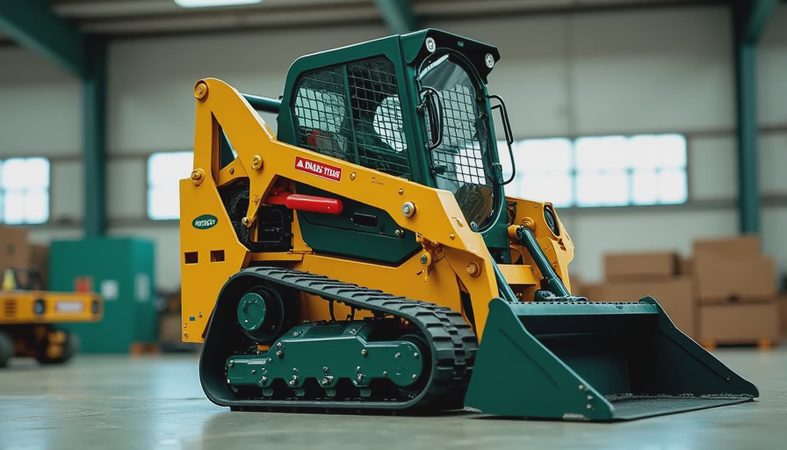
For a bobcat skid steer loader, inspect the lift-arm pins, bushings, rear door, cooling package, tires or tracks, drive chains, and quick-attach plate. Excessive pin movement indicates wear that can affect bucket control and repair cost. Uneven track wear can point to poor undercarriage alignment, worn rollers, or incorrect operating habits. On wheeled machines, mismatched tires create driveline stress and uneven traction.
Budget separately for filters, fluids, tires or tracks, pins, hoses, and unscheduled downtime. A basic service might be a few hundred dollars in parts and labor, while a set of quality tires can run well over $1,000. Tracks, sprockets, rollers, pumps, and electronic controllers can push a repair into the several-thousand-dollar range. The right question is not whether the machine is cheap. It is whether the purchase price leaves enough reserve for the first year of ownership.
Compare Ownership, Not Just Purchase Price
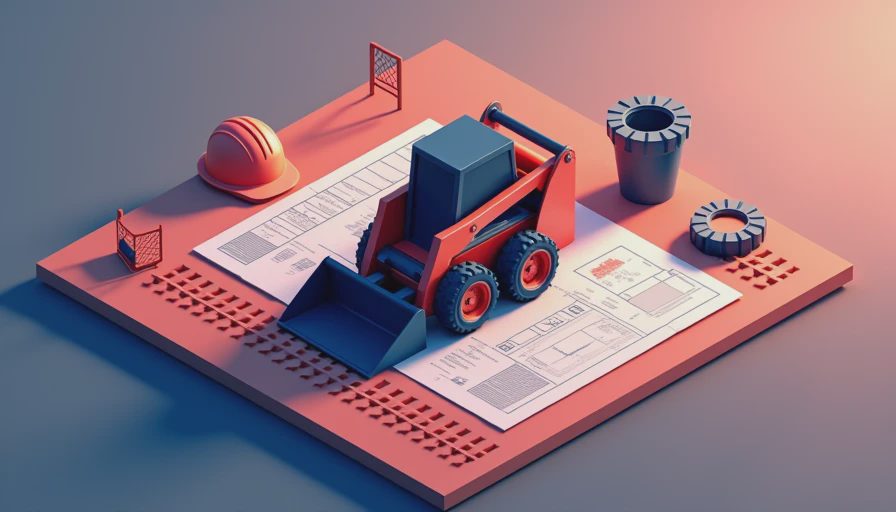
A new bobcat skid steer loader typically brings warranty coverage, known service intervals, current safety equipment, and fewer unknowns. A used machine can offer strong value when its records are complete and its wear matches the hour meter. Neither choice is automatically better. The fleet’s workload and cash position decide the answer.
Build a simple cost-per-hour estimate. Add purchase price, expected resale value, financing interest, scheduled maintenance, tires or tracks, insurance, transport, and a downtime reserve. Divide the expected ownership cost by realistic annual operating hours. If you expect 600 hours per year, do not divide by 1,200 just to make the spreadsheet look attractive.
Also price the attachment package. A machine that requires a $12,000 high-flow cutter, electrical harness, and specialized coupler is not a $45,000 purchase in practical terms. It is a larger capital decision. Compare a complete working package with another complete working package, not bare machines with different assumptions.
The Pre-Purchase Test I Would Run
Bring an operator who knows the work and a technician who can test pressure, flow, electrical faults, and engine condition. Walk around the machine before starting it. Photograph serial plates, warning labels, leaks, tire or track wear, and hour-meter readings.
Then perform a repeatable test:
- Start cold and document cranking, smoke, warning lights, and idle quality.
- Check travel speed and straight-line tracking in both directions.
- Lift, lower, and curl an empty bucket, then repeat under a sensible load.
- Run the auxiliary circuit continuously and watch for heat, noise, or performance loss.
- Test the parking brake, interlocks, door, seat bar, lights, backup alarm, and controls.
- Inspect fluids and filters before the machine leaves the yard.
- Obtain a written repair estimate for every defect found.
A short test will not prove long-term durability, but it can expose expensive immediate risks. If the seller refuses a cold start or independent inspection, treat that refusal as data.
Final Buying Decision
The best bobcat skid steer loader is the one that fits the attachment package, carries the workload without constant overload, and has maintenance evidence you can verify. Do not pay extra for features your crew will never use, and do not save money by accepting a hydraulic system that already sounds tired.
For a used purchase, condition beats color and records beat promises. For a new purchase, compare the full delivered package, service response, warranty terms, and parts access. Get the serial number, confirm configuration, and put every promised repair in writing before money changes hands.
I do not trust a machine because it looks clean after a dealer detail. I trust cold starts, fluid samples, measured hydraulic performance, and wear that makes sense against the hours. The iron doesn't lie.
Hours logged: the number on the meter is only the starting point. Fluid samples pulled: enough to reveal what the system is carrying. Parts replaced: every documented repair belongs in the price. Iron tested. Iron told.
00 Transmissions
No transmissions yet. Yours opens the channel.