A skid steer loader Bobcat can be the most useful machine on a small site or the most expensive red box in the yard. The difference usually comes down to condition, configuration, and whether somebody inspected the machine before the money changed hands. I have spent enough years teaching technicians to know that a clean hood and fresh paint prove very little. Hours logged, hydraulic pressure, oil condition, tire wear, and repair history tell the real story.
This is a buying guide, not a demo-day review. I am not going to claim a 100-hour durability result for every model in the Bobcat lineup. Instead, I will show you how I inspect these machines, what failures cost, and where a used skid steer loader Bobcat can make financial sense for a contractor, farm, or rental fleet.
Start with the job, not the badge
Bobcat builds several skid steer sizes, from compact models suited to landscaping and tight residential work to larger units designed for serious production. Match rated operating capacity to the attachment and material you actually move. A landscape contractor using a bucket, pallet forks, and a trencher does not need the same machine as a grading contractor running a heavy planer or auger.
Write down three numbers before looking at listings: expected daily operating hours, attachment weight, and the heaviest load you will lift. If the machine will spend its life at 90 percent of capacity, move up a class. Constantly working at the limit raises heat, stresses lift-arm pins, and leaves little reserve when the ground gets rough.
A skid steer loader Bobcat with standard-flow hydraulics can be adequate for buckets, forks, and many augers. High-flow attachments require the correct hydraulic package, cooler capacity, and electrical controls. Buying the wrong configuration can turn a $3,000 attachment into a paperweight.
The inspection points that cost real money
Start the inspection cold. Ask the seller not to warm the engine before you arrive. A cold start reveals glow-plug problems, weak batteries, excessive smoke, and slow cranking that disappear after the engine heats. Listen for a sharp metallic knock, uneven idle, or hydraulic whine that changes with engine speed.
Then check the hydraulic system. With the machine at operating temperature, cycle the lift arms and bucket several times. Watch for hesitation, chatter, drifting cylinders, or a pump that becomes louder as the oil warms. A tired hydraulic pump can cost several thousand dollars in parts and labor, while contaminated oil can damage pumps, motors, and valves throughout the system.
Inspect every cylinder rod for rust pitting and oil residue. Look closely at lift-arm bushings, quick-attach wedges, and attachment pins. A little movement is normal on a working machine; a visible clunk at every change in direction is a repair estimate waiting to happen. On a skid steer loader Bobcat, the loader arms and front attachment plate also deserve a close look for weld repairs and stretched holes.
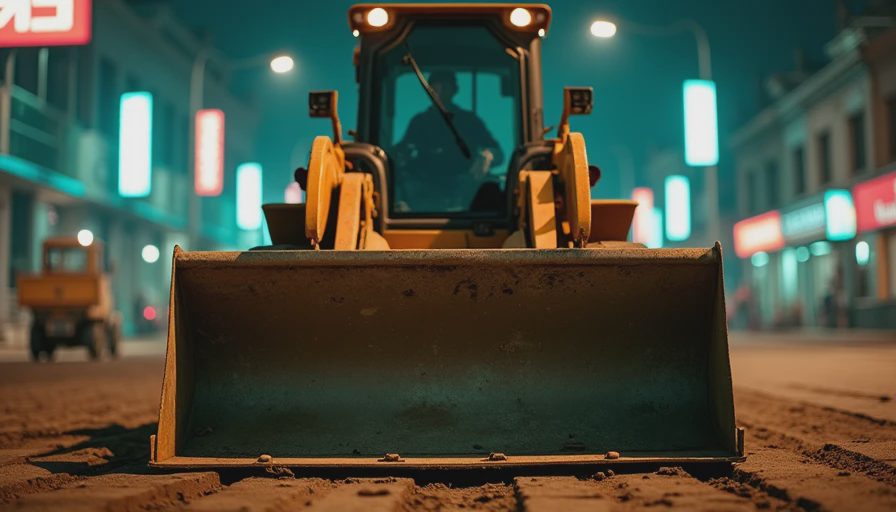
Tires are another honest witness. Matching tires with even tread suggest consistent maintenance. Four different tires, severe sidewall cuts, or one nearly new tire can point to hard use, a flat-tire history, or a final-hour attempt to improve the listing photos. Budget roughly $800 to $2,000 for a set of skid steer tires, depending on size and tread design.
Hours are evidence, not a verdict
Engine hours help, but they do not tell the whole story. A machine with 2,500 hours of steady farm work can be healthier than one with 1,200 hours of demolition duty. Ask what the hours represent: travel, loading, idling, high-load attachment work, or rental use. Idle-heavy machines accumulate engine hours without the same hydraulic workload, but long idle periods still affect cooling, emissions systems, and maintenance intervals.
Pull service records and compare dates, hours, and parts. Repeated hydraulic repairs at similar intervals matter more than one isolated hose replacement. Look for documented fluid and filter changes, not just a handwritten note saying “serviced.” Used oil analysis is useful when the purchase price justifies it. A basic engine and hydraulic sample often costs less than $100, which is cheap insurance on a machine priced from $25,000 to more than $70,000.
Electronic hour meters can be replaced, so compare the display with seat wear, pedal condition, control handles, tire age, and maintenance stickers. None of those proves tampering alone. Together, they can expose a story that does not add up.
Cab controls and daily comfort affect production
Sit in the cab for at least 20 minutes with the engine running. Test both joysticks, auxiliary hydraulic switches, the parking brake, horn, lights, heater, air conditioning, and every display warning. A control that works intermittently is not a minor annoyance when the machine is billing $100 or more per hour on a site.
Check the seat suspension, door seal, windows, and rear visibility. Dust entering through a damaged seal will find its way into the operator’s lungs and the cab electronics. Verify that the safety interlocks function correctly; never bypass a seat switch or door switch during an inspection. Those systems exist to prevent unintended movement.
A skid steer loader Bobcat with a quiet, tight cab can keep an operator productive for a full shift. That has a measurable value. A contractor paying an operator $28 per hour loses more than comfort when a poor seat causes frequent breaks or when a faulty display creates repeated shutdowns.

New versus used: run the numbers
New equipment brings warranty coverage, current emissions technology, and predictable financing, but depreciation begins immediately. Depending on model and options, a new Bobcat skid steer can place a substantial monthly payment on a small contractor. Used equipment lowers the entry price, but the buyer assumes the risk of deferred maintenance.
For a used skid steer loader Bobcat, reserve 10 to 15 percent of the purchase price for first-year repairs and baseline service. On a $40,000 machine, that means keeping $4,000 to $6,000 available. If the purchase consumes every dollar in the account, the machine is not affordable, even if the listing price looks attractive.
Compare ownership cost rather than just purchase price. Add transport, sales tax, filters, fluids, tires, attachments, insurance, financing, and expected downtime. A machine that costs $8,000 less but sits for three weeks waiting on a pump can lose that discount quickly.
The field checklist I would use
Before making an offer, photograph the serial plate and verify that it matches the paperwork. Record cold-start behavior, engine smoke, hydraulic temperature, warning lights, tire condition, and visible leaks. Operate the machine forward and backward in both directions, then test the attachment under load. Listen for changes when turning tightly; final-drive noise often becomes clearer under load than during a straight-line drive.
Ask who performed the maintenance and where parts came from. OEM parts are not always required, but undocumented repairs make the machine harder to value. Get a written list of included attachments and confirm that the auxiliary couplers, hoses, and electrical connectors match your tools.
If the seller refuses a cold start, independent inspection, or fluid sampling, treat that refusal as information. Walk away from pressure. There will be another listing, while a bad hydraulic system can follow you home on a trailer and stay there for months.
A skid steer loader Bobcat is not automatically a good purchase because Bobcat is a familiar name. It is a good purchase when the configuration fits the job, the controls respond correctly, the fluids support the claimed history, and the price leaves room for repairs. The iron does not lie; it just needs someone willing to read it.
Hours logged: inspection protocol varies by machine. Fluid samples pulled: use them before a major purchase. Parts replaced: budget for the parts the records cannot prove. Iron tested. Iron told.
00 Transmissions
No transmissions yet. Yours opens the channel.