A cat skid steer loader can be the most productive machine on a small construction crew or the most expensive orange object in the yard. The difference is rarely the paint. It is the hydraulic condition, operating weight, attachment demand, service history, and whether the machine matches the work. I have spent enough years teaching technicians to know that a polished walkaround proves almost nothing. The iron doesn't lie, but you have to ask it the right questions.
Start with the job, not the model number
Before comparing a CAT 236D3 with a 259D3 or 289D3, write down the actual work. Moving pallets around a commercial site is a different assignment from cold-planing asphalt, clearing desert lots, or loading wet clay. List the heaviest attachment, typical material, ground conditions, trailer capacity, and the number of hours expected each month.
A lighter radial-lift machine can make sense for grading, digging, and general dirt work where the attachment stays close to the ground. A vertical-lift machine is more useful when the job involves loading trucks, placing material into tall hoppers, or lifting pallets at reach. The rated operating capacity is not a suggestion; it is the safe working limit tied to the machine's stability and lift geometry.
Then account for hydraulic flow. Standard-flow attachments usually work well with buckets, forks, augers, and many brush cutters. High-flow attachments can demand substantially more oil and cooling capacity. If your mulcher needs high flow and the loader only supports standard flow, no amount of sales enthusiasm fixes that mismatch. You will have a slow attachment, overheated hydraulic oil, or both.
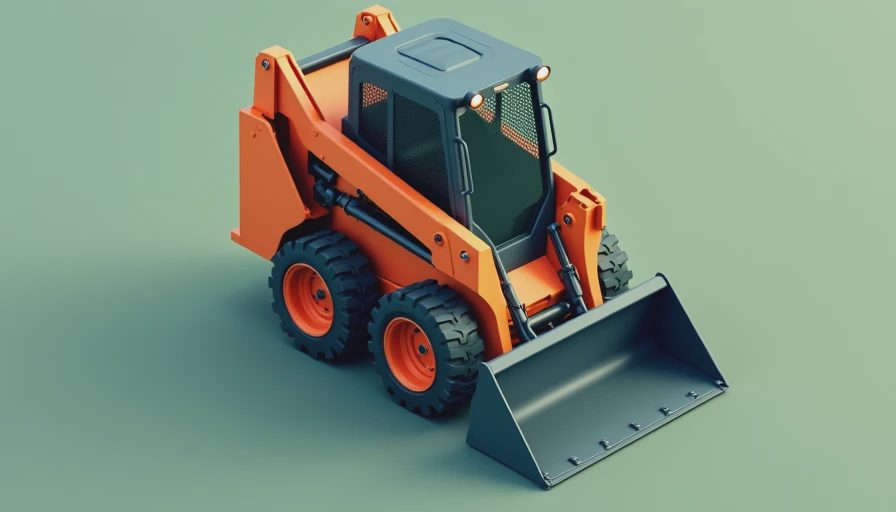
What to inspect on a used cat skid steer loader
The first inspection happens before the engine starts. Look at the frame, lift arms, quick coupler, axles, tires or tracks, and lower chassis. Fresh paint around a crack is a question mark, not a repair record. Uneven track wear can point to undercarriage alignment, worn rollers, incorrect tension, or long hours on hard surfaces.
Open the engine compartment and look for dust tracks around intake joints. Fine desert dust past the air filter is abrasive paste for a turbocharger and engine cylinders. Check the radiator and hydraulic oil cooler for packed debris. A machine that ran hot will often show the evidence in brittle wiring, darkened hoses, leaking seals, or hydraulic oil with a burned smell.
With the loader cold, check fluid levels and inspect the sample condition on clean paper. Engine oil should not look like metallic paint. Hydraulic oil should not be milky, glittery, or strongly scorched. Pulling a laboratory fluid sample before purchase commonly costs less than $100, while one contaminated hydraulic system can turn into several thousand dollars in pumps, valves, hoses, and flushing labor.
Operate every function separately, then together. Listen for pump whine, hesitation, cylinder chatter, and drift after the controls return to neutral. Raise the lift arms, shut the machine down, and watch whether they settle quickly. Some movement is expected, but rapid drift deserves a pressure and cylinder inspection before money changes hands.
The hydraulic system decides the paycheck
Hydraulics produce the work, and they also produce the repair bill. A cat skid steer loader that feels strong for five minutes can still have a weak charge pump, leaking valve section, or oil-temperature problem. Test it at operating temperature, not just after a dealer starts it for you.
Run the bucket through repeated cycles and record cycle time with the same load. A meaningful comparison requires the same attachment, material, engine speed, and hydraulic temperature. Watch for a machine that becomes lazy as the oil warms. That symptom can indicate internal pump leakage or a valve problem rather than a simple electrical fault.
Check auxiliary hydraulics under a real attachment if possible. A brush cutter or trencher exposes weak flow faster than an empty bucket does. Inspect couplers for leakage and confirm that the auxiliary control holds steady without constant correction. Replacement hoses are manageable; a contaminated high-flow circuit is not.
My basic diagnostic is three sentences: Here is the symptom: the attachment slows after warm-up. Here is the likely root cause: hydraulic efficiency is falling under temperature. Here is what to do: obtain pressure, flow, and oil analysis results before approving a pump replacement.

Tracks, tires, and undercarriage costs
Tracks are not automatically better. They spread ground pressure and can improve flotation, but they also add purchase cost and undercarriage wear. Tires are simpler and often cheaper to replace, especially for crews working mostly on paved surfaces or compacted aggregate. The correct choice follows the site, not the marketing photo.
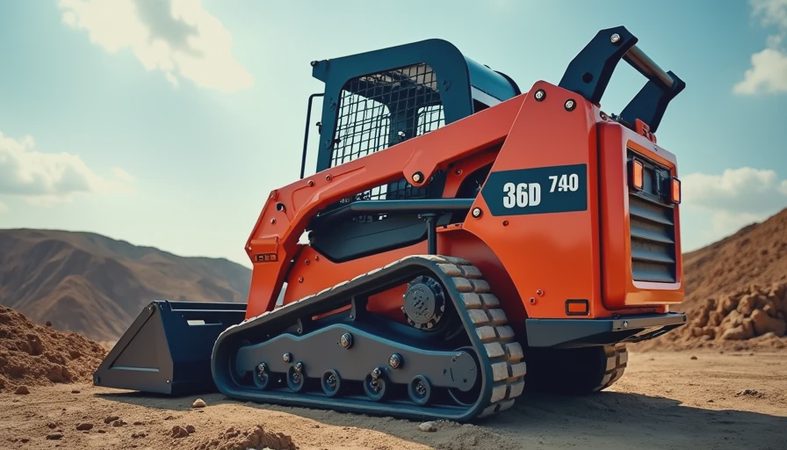
On a tracked cat skid steer loader, inspect tread depth, lug damage, drive sprockets, rollers, idlers, and track tension. Measure wear instead of accepting “about half-life” from a seller. A pair of tracks can cost roughly $2,000 to $5,000 depending on size and brand, with additional labor and possible undercarriage work. Tires may run from several hundred dollars each to more than $1,000 for severe-duty sets.
Look for drive motors that leak at the final drive seals and listen for grinding during slow turns. A machine that pulls strongly one direction may have a control, motor, or hydraulic issue. It might also have an operator who spends every day turning on one side. Either way, the buyer owns the diagnosis after closing.
Estimate the ownership cost before signing
Purchase price is only the first line on the spreadsheet. Budget scheduled filters, fluids, grease, tires or tracks, attachment wear parts, transport, insurance, and downtime. A used machine priced $10,000 below comparable listings can become the expensive one after a set of tires, a seat, a battery, hoses, and a hydraulic repair.
For a compact loader working 600 hours annually, a practical reserve for routine service and wear items might land around $8 to $18 per operating hour before fuel and financing. Heavy attachments, abrasive soil, poor maintenance, and long travel distances push that figure higher. Fuel consumption depends on load, engine size, idle time, and duty cycle, so use your own fuel records rather than a brochure estimate.
Ask for hour-meter history, service invoices, fluid analysis, warranty records, and attachment serial numbers. Compare the meter with pedal wear, joystick condition, seat damage, and tire or track history. Hours that do not agree are not proof of fraud, but they are proof that the machine needs a deeper inspection.
A purchase-day checklist that works
Bring a flashlight, clean rags, infrared thermometer, tire gauge, small mirror, and a notebook. Photograph the machine before operation. Record cold-start smoke, warning lights, oil pressure behavior, hydraulic temperature, and every leak. Confirm that the safety interlocks function and that the operator restraint and door system are intact.
Test drive speed in both directions, use the parking brake, and operate the loader on level ground before testing a slope. Try the attachment coupler several times. Check that pins seat fully and that hydraulic connectors lock without forcing them. A cat skid steer loader used with forks should be tested with a known pallet or equivalent load, not an empty attachment.
If a seller refuses a cold start, fluid sample, or independent inspection, price the risk as if the worst reasonable repair is already yours. A $300 inspection can protect an $80,000 purchase decision. That is not pessimism. It is basic fleet math.
Hours logged: the machine you are considering should have its history verified, not guessed. Fluid samples pulled: at least one engine and one hydraulic sample before a major purchase. Parts replaced: document every component that affects the cost per operating hour. Iron tested. Iron told.


00 Transmissions
No transmissions yet. Yours opens the channel.