A construction equipment operator salary is not one clean number pulled from a brochure. It depends on the machine, the region, the work schedule, the operator's judgment, and whether the employer is paying for production or merely seat time. I have watched two operators run similar excavators on the same kind of trench, with one creating rework and the other finishing cleanly ahead of schedule. The payroll difference between them was real, even when their job titles matched.
The broad U.S. range is roughly $40,000 to $85,000 per year for many operators, with experienced specialists, union operators, and workers on heavy overtime reaching $90,000 to $120,000 or more. Those figures are gross wages before taxes and benefits. The machine in front of you is only part of the calculation. The hours behind the controls, the work attached to those hours, and the cost of downtime matter just as much.
Typical pay by experience and machine
Entry-level operators often land between $18 and $25 per hour. They may start on skid steers, compact track loaders, rollers, or small excavators while learning grade control, daily inspections, and safe loading procedures. At 2 to 5 years, $24 to $34 per hour is a reasonable working range in many markets. Senior operators handling production excavators, dozers, graders, cranes, or specialized drilling equipment can reach $35 to $50 per hour before overtime.
A construction equipment operator salary usually rises with the consequence of an error. A small loader mistake might cost a few minutes. A finish-grade error on a highway project can mean removing and replacing material, delaying trucks, and paying a crew to stand around. That is why a precise grader operator or mass-excavation excavator operator can earn more than someone running a larger machine with less responsibility.
Union scale can push base pay higher, particularly on public infrastructure, utility, and large commercial projects. Nonunion contractors sometimes offer a lower hourly wage but add a company truck, per diem, year-round work, or a production bonus. Compare the complete package, not the number printed beside “hourly rate.”
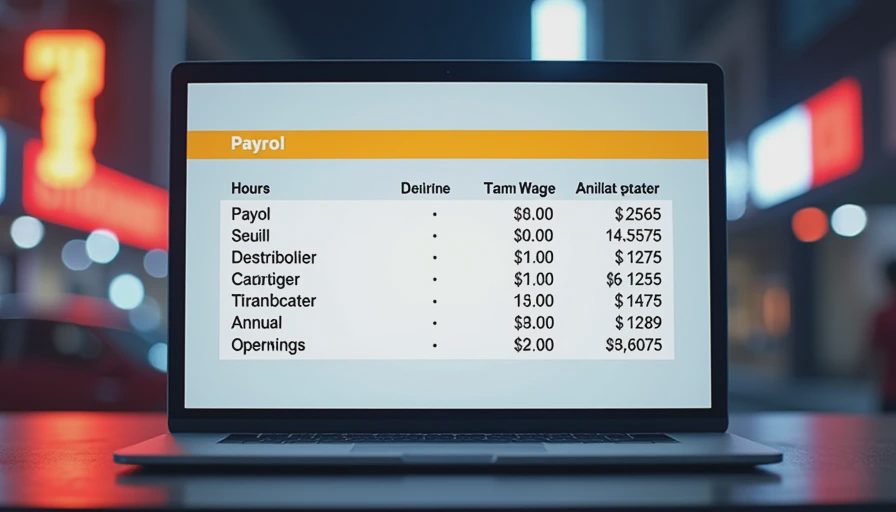
Location changes the paycheck
Location has a direct effect on a construction equipment operator salary because wages follow project budgets, labor supply, living costs, and the type of dirt being moved. Large metro areas often pay more in raw dollars, but housing and commuting can consume the difference. Heavy civil work in California, Washington, New York, and parts of the Northeast commonly posts stronger rates than small residential grading markets. Mining, pipeline, wind-farm, and remote road projects can also pay a premium because travel and isolation make qualified operators harder to keep.
Arizona is a useful example. Phoenix-area residential work can provide steady hours, but summer heat, dust, and competition between contractors affect the offer. A remote copper or aggregate operation may pay more because the work is harder on people and machines. In northern states, winter shutdowns can reduce annual income even when the summer hourly wage looks attractive.
Ask four questions before accepting a number: How many paid hours are typical? Is overtime available or guaranteed? Are travel days paid? What happens during weather delays? A $31 hourly job with 55-hour weeks can beat a $35 job that delivers only 32 hours most weeks. Annualized income is the number that pays the mortgage.
Overtime, per diem, and benefits
Overtime is where many operators build a construction equipment operator salary that looks much higher than the base wage. At $30 per hour, time-and-a-half is $45 per hour. Ten overtime hours each week for a 30-week construction season adds about $13,500 before taxes. That money is useful, but it comes with a physical cost: long days magnify fatigue, and fatigue leads to rougher controls, missed alarms, and preventable damage.
Per diem can add another $300 to $700 per week on travel assignments, although it is intended to cover meals and lodging rather than function as pure wage. A company-paid hotel is worth more than a vague promise of “travel support.” Benefits also change the real value of an offer. Health insurance, a retirement match, paid training, tool allowances, and paid holidays can easily represent $8,000 to $20,000 annually depending on the employer.
Read the overtime language carefully. Some jobs pay overtime after 40 hours; others use project agreements or different rules. Keep copies of pay stubs and time records. Nobody should have to reconstruct six months of hours from memory when a payroll dispute appears.

Certifications and skills that move the number
The fastest way to improve a construction equipment operator salary is to become useful on more than one type of work. Start with documented experience on excavators, dozers, loaders, compactors, and motor graders. Add GPS machine control, laser grading, trench safety, rigging awareness, and reading civil plans. A contractor does not just need someone who can move the joystick; the contractor needs someone who understands the finished elevation and the production target.
Commercial driver's license qualifications can help when the role includes moving equipment or towing support trailers, though requirements differ by job and state. OSHA training, site-specific credentials, and signal-person or crane-related qualifications can also broaden assignments. Do not collect certificates like stickers on a hard hat. Choose training that lets you take a machine, crew, or project others cannot cover.
Track your own production. Record truckloads per hour, average fuel use, rework incidents, machine hours, and the type of material handled. If you can show that you loaded 500 tons per shift without excessive spillage or reduced finish-grade rework, you have evidence for a raise. “I work hard” is a statement. “I kept the loader cycle consistent and cut truck waiting time” is a negotiation.
Employee or independent operator?
An employee receives a paycheck, but an independent operator or owner-operator may invoice by the hour or project. A privately owned excavator can bill $125 to $250 per hour while the person operating it earns far less than that apparent rate. Fuel, transportation, insurance, repairs, tires or tracks, depreciation, loan payments, and unpaid shop time consume the difference.
For example, a machine billing $165 per hour for 1,000 annual billable hours produces $165,000 in revenue. That is not a $165,000 income. If operating costs and ownership overhead total $85,000, the remaining amount before taxes is $80,000. One hydraulic pump failure or final-drive repair can remove thousands more. The iron does not care what the invoice says.
This route can work for an experienced operator with reliable customers and disciplined maintenance records. It is a business, not simply a higher construction equipment operator salary. Price every hour, including mobilization, inspection, grease, breakdown recovery, and time spent chasing payment.
How to negotiate a better offer
Bring a short record to the interview. List the machines you have operated, approximate hours, materials handled, control systems used, and the types of work completed. Separate occasional seat time from genuine production experience. A fleet manager can tell the difference quickly.
Then ask for the complete compensation picture in writing. Confirm base wage, overtime trigger, per diem, travel pay, health premiums, retirement match, paid holidays, expected annual hours, and the review schedule. If the employer cannot raise the wage immediately, negotiate a 90-day skills review tied to measurable targets. Ask whether training on a grader, GPS system, or larger excavator comes with a pay step.
A fair construction equipment operator salary reflects judgment as much as joystick movement. Arriving on time, performing a proper walkaround, reporting a hot bearing before it becomes a failure, and leaving a clean excavation are profitable habits. I have seen operators earn raises because they prevented downtime, not because they shouted the loudest in the yard.
The best offer is the one that produces dependable annual income without grinding the operator into an early breakdown. Compare the wage, hours, benefits, travel burden, equipment mix, and maintenance culture. Then choose the seat where your skill will compound instead of merely keeping the engine running.
Hours logged: the number that proves experience. Fluid samples pulled: the evidence behind maintenance judgment. Parts replaced: the cost of ignoring both. Iron tested. Iron told.

00 Transmissions
No transmissions yet. Yours opens the channel.