If you run a forklift off road on a job site, in a yard, or around a plant, the first mistake is assuming a normal auto policy will handle it. It usually will not. A forklift off road is equipment first and vehicle second, and that distinction changes how the claim gets paid, what policy responds, and where the gaps show up when steel meets concrete. I have seen owners get blindsided by theft losses, transport damage, and liability disputes because the machine was insured like a truck when it should have been scheduled like equipment.
The iron does not care what line item you used in your budget. It only cares whether the policy matches how the machine is used, where it sits overnight, and who is allowed to operate it. If the machine works inside a fenced yard Monday through Friday and rides a trailer to the next site on Saturday, that is a different risk than a pickup that sleeps in a driveway. The premium is usually not the expensive part. The expensive part is discovering too late that the wrong policy was on the machine.
Why a forklift off road does not fit a personal auto policy
A personal auto policy is built for passenger vehicles and light-duty use. It is not built for a forklift off road that spends its life lifting pallets, crossing gravel, backing near loading docks, or getting hauled from one project to another. Even when a machine has wheels and a steering wheel, insurers look at function, not just shape. That matters because a forklift can create property damage, bodily injury, and cargo-related losses that sit outside a standard personal policy.
On most commercial accounts, the conversation starts with whether the unit should be covered under commercial auto, inland marine, general liability, or a mix of all three. If the machine is driven on public roads, even short distances, the broker needs to know that. If it never leaves the site under its own power, then equipment coverage is usually the cleaner fit. The goal is simple: match the form of insurance to the way the machine actually earns its keep.
For a small contractor, the annual cost for basic equipment protection on one machine might land in the low hundreds or climb into the low thousands, depending on value, use, and theft exposure. That is cheaper than one unrecovered loss on a newer lift truck.
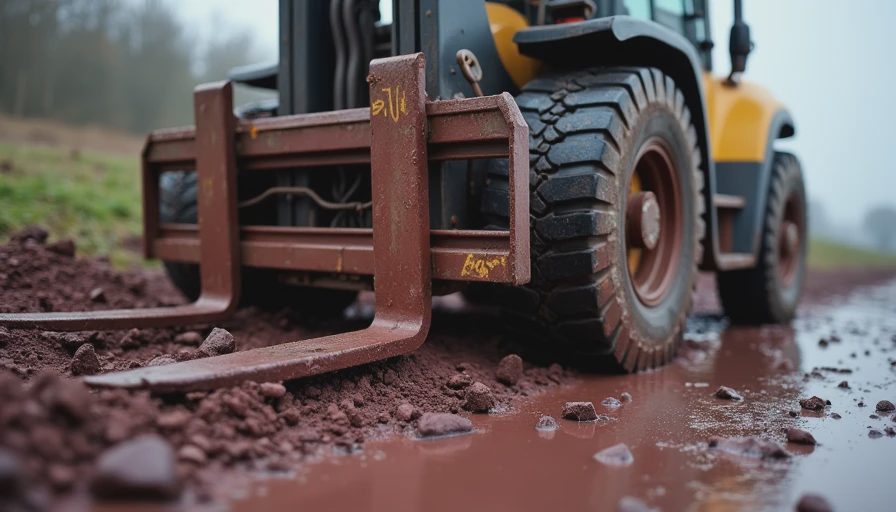
What coverage a forklift off road really needs
Start with physical damage. If the machine is stolen, burned, vandalized, or damaged in a storm, you want a policy that pays to repair or replace it. Inland marine is often the place where that protection lives for mobile equipment, especially when the asset moves between sites. If the forklift stays at one location, commercial property coverage may help, but only if the location and the machine are scheduled correctly.
Then look at liability. If a mast strikes a racking system, a pallet drops onto a customer’s product, or a driver clips another machine, you need to know whether general liability or another commercial form responds. This is where owners get tripped up. Physical damage covers the forklift. Liability covers what the forklift hits, injures, or contaminates. Those are not the same claim.
A solid quote also asks about theft prevention, because forklifts are easy to underestimate and easy to move. A machine left in an open yard with a loose key policy is a different risk than one parked behind a chain-link fence with cameras and ignition control. In my experience, simple controls can shave a noticeable amount off the risk conversation, even if the carrier does not advertise a headline discount.
Where claims get ugly on a forklift off road
The worst claims are rarely the dramatic rollovers. They are the gray-area losses. A lift is loaded onto a trailer at 5 p.m., the tie-down fails on the highway, and the machine arrives with bent forks and a cracked mast. Or a unit sits on a site over a holiday weekend, someone borrows it, and nobody can prove who had the keys. Or the owner thinks a subcontractor’s policy will pick up the damage, but the subcontractor’s carrier says the equipment was not scheduled there in the first place.
That is why transport language matters. Ask whether your policy covers loading, unloading, and transit between sites. Ask whether the policy follows the machine or only follows it while it is at a named location. Ask what happens if an employee, a temp, or a rented operator is in the seat when the loss happens. A vague answer is not a good answer.
A forklift off road often lives in the gap between auto, property, and liability coverage. When a broker cannot explain that gap in plain English, you have not found the right quote yet.
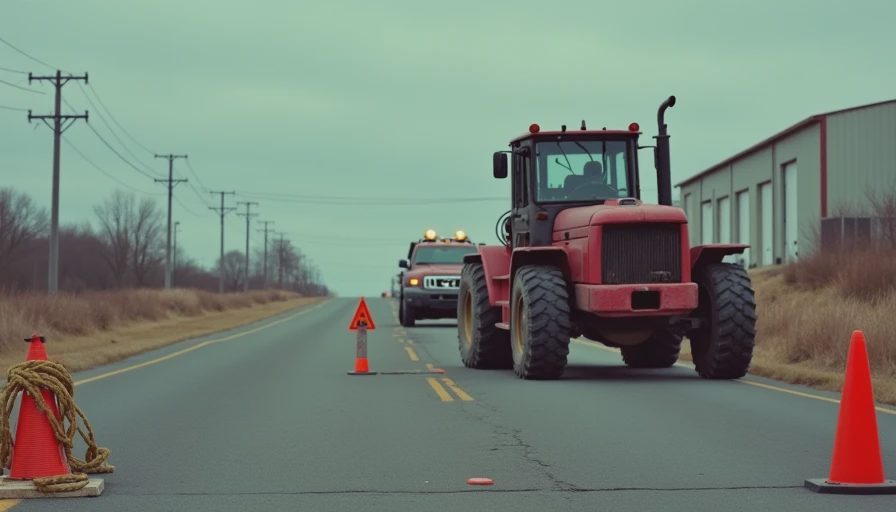
How to price the risk without guessing
You do not need a perfect spreadsheet to buy smart. You need the basics: replacement value, serial number, how often the unit moves, where it sleeps, whether it is ever driven on pavement, and whether it is owned, leased, or rented. A newer propane unit with a high replacement cost will price differently than an older rough-terrain machine that only works on one fenced site. If the machine has side-shift, a high mast, or specialty attachments, mention those too, because the insurer is really pricing the exposure, not just the frame.
Owners often save money by bundling equipment with other commercial lines instead of shopping the machine by itself. That can work, but only if the policy still names the forklift correctly and the deductible is reasonable. A $5,000 deductible on a machine worth $18,000 can make sense on paper and feel terrible after a fork-bent loss. I would rather see a clean coverage form and a deductible the business can actually absorb.
What to hand a broker before you ask for a quote
Bring photos, the serial plate, the purchase price, the current market value, and a short note on use. Say whether the unit works indoors, outdoors, or both. Say whether it crosses public roads. Say where it is parked at night. Say whether you want physical damage only or full protection with liability tied in. That five-minute brief saves a lot of back-and-forth and usually gets you a quote that fits the machine instead of forcing the machine to fit the policy.
If you are buying a used unit from an auction, ask for the maintenance history before you ask for the premium. A cheap forklift off road can become an expensive claim if the mast, hydraulics, or tires are already tired. Coverage matters, but so does condition. The iron does not lie, and neither do repair invoices.
If you want the short version, the right policy is the one that follows how the machine works, how it moves, and what it can damage. That is the standard I use when I review equipment risk, and it applies just as much to a forklift off road as it does to a loader, a telehandler, or a haul truck. Hours logged: not the point here. The point is whether the coverage matches the exposure before the loss, not after it.

00 Transmissions
No transmissions yet. Yours opens the channel.