A hard hat that pinches your forehead, slides during a climb, or turns into a sweat bucket by lunch is not a minor annoyance. It becomes a distraction, and distractions are expensive around excavators, loaders, cranes, and moving trucks. Finding the most comfortable hard hat means looking past the shell color and manufacturer slogan. The suspension, adjustment system, balance, ventilation, and compatibility with other personal protective equipment matter more after eight hours than they do in a five-minute store fitting.
I have spent enough time around construction yards to know the pattern. A worker buys a low-cost helmet because it feels acceptable in the aisle, then removes it whenever the supervisor is out of sight. That is a failed piece of safety equipment, regardless of its certification label. The most comfortable hard hat is the one a worker keeps properly adjusted and wears from the first pass of the excavator to the final cleanup.
Start With the Suspension, Not the Shell
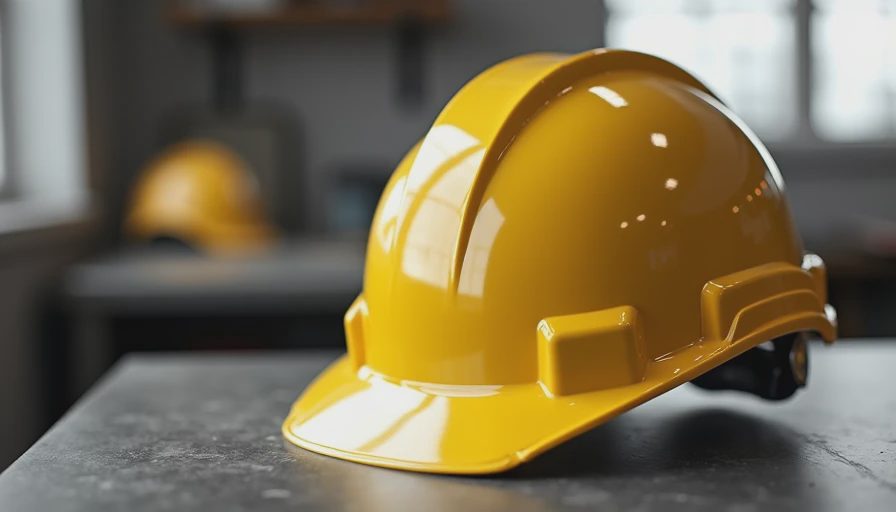
The shell protects against impact and penetration, but the suspension controls how that shell sits on your head. A six-point textile suspension generally spreads pressure across a wider area than a basic plastic cradle. That difference becomes obvious when you wear the helmet for a full shift instead of standing under fluorescent lights for ten minutes.
Look for a suspension with smooth webbing, wide contact points, and replaceable parts. Narrow straps can create pressure lines above the ears. Rough edges can irritate the forehead after repeated sweating. Ratchet adjustment is usually faster than a pin-lock system, especially when workers move between a beanie in January and a bare head in July. The best adjustment wheel turns without excessive force and stays locked when you bend, look upward, or climb into a cab.
A good fit should feel secure without requiring the ratchet to be cranked tight. If the shell rocks when you shake your head, it is too loose. If you feel a concentrated pressure point after fifteen minutes, the shape may not match your head. No hard hat fits every worker equally, and that is why a fleet should test several designs before buying cases of one model.
Weight, Balance, and Ventilation Change the Workday
Weight numbers deserve context. A hard hat that is only a few ounces heavier can feel much worse if that weight sits forward over the brow. A balanced helmet keeps the center of gravity closer to the head, reducing the constant neck correction that workers make while looking down at grade stakes or up at a boom.
Ventilation is another practical separator. Vented models can move more air across the scalp and reduce heat buildup during summer work, but vents are not appropriate for every hazard environment. Electrical work requires careful attention to the helmet's classification and the employer's safety requirements. Do not choose ventilation simply because Phoenix, Las Vegas, or Houston is hot. Choose it only when the hazard assessment allows it.
The most comfortable hard hat for a hot earthmoving site may not be the same design used around energized equipment. Comfort cannot override protection. A well-vented model that is unsuitable for the task is a bad purchase at any price. The correct process is to identify the hazard first, then compare comfort among helmets approved for that environment.
Features Worth Paying For
Price alone does not predict comfort. Basic models from brands such as 3M, MSA, Bullard, and Klein Tools can provide a solid fit, while premium models often add better ratchets, integrated accessories, and more refined suspension systems. Expect roughly $15 to $35 for a straightforward industrial hard hat and about $40 to $100 or more for advanced climbing-style or accessory-ready designs.
A useful upgrade is a sweatband that can be removed and washed. Replacing a sweatband for $8 to $20 is cheaper and more hygienic than replacing the entire helmet because the interior smells like a hydraulic bay in August. Some models accept face shields, hearing protection, headlamps, and winter liners without improvised straps. That matters to a crew working around grinders, concrete saws, or nighttime utility repairs.
Chin straps deserve a close look as well. A strap can help keep the helmet in place when bending or working at elevation, but it should be compatible with the helmet and used according to workplace procedures. A loose strap that catches on equipment is not an improvement. The most comfortable hard hat usually has accessories designed as part of the system rather than added as an afterthought.

Fit-Test It Like Equipment, Not Clothing
When I evaluate gear, I use the same rule I apply to machines: test the item under the conditions that expose weaknesses. Wear the helmet for at least thirty minutes. Walk, bend, look overhead, climb a few steps, and wear the safety glasses and hearing protection used on the job. If the helmet shifts when the earmuffs press against it, the fit is not finished.
Check four points. First, the front edge should sit level and comfortably above the eyebrows. Second, the suspension should contact the head without leaving a large gap or creating a hard pressure ridge. Third, the rear adjustment should not collide with a ponytail, hood, or winter liner. Fourth, the shell should remain stable when you turn quickly.
For a company purchase, let several workers test the finalists during a real shift. Give operators, mechanics, welders, and laborers a voice because each group moves differently. Record complaints by category: forehead pressure, heat, slipping, accessory interference, and adjustment problems. The most comfortable hard hat on paper is less important than the one that produces the fewest complaints after a week of actual work.
How to Make the Helmet Last
Comfort also depends on maintenance. Wipe the shell and suspension with mild soap and water, then allow them to dry naturally. Avoid solvents, harsh cleaners, and unapproved stickers or paint. Chemical exposure and ultraviolet damage can weaken materials even when the helmet still looks serviceable.
Inspect the shell for cracks, dents, brittleness, and deep scratches. Check the suspension for frayed webbing, broken clips, stretched components, and a sweatband that no longer holds its shape. Replace damaged parts immediately. A hard hat that has taken a significant impact should generally be removed from service, even if there is no obvious crack. The shell did its job by absorbing energy; visual inspection cannot reveal every consequence.
Storage matters too. Leaving a helmet on the dashboard exposes it to heat and sunlight, while tossing it into a toolbox invites crushing and contamination. Keep it in a cool, dry location away from chemicals. A $50 helmet lasts longer when treated like safety equipment instead of a disposable lunch container.
My Buying Recommendation
For most general construction and earthmoving crews, I would start with a lightweight, non-vented helmet with a smooth six-point suspension, a dependable ratchet, and replaceable sweatbands. If the hazard assessment permits vents, compare vented versions in the same fit family rather than switching to a completely different shape. Workers who climb, bend, or operate rough-terrain equipment should prioritize retention and balance over the lowest advertised weight.
Do not order fifty helmets based on a catalog photo. Buy two or three finalists, fit them to several workers, and run them through a hot shift, a cold morning, and normal accessory use. The result will tell you more than a product page. A properly fitted helmet reduces adjustment fiddling, pressure complaints, and the temptation to work unprotected.
The most comfortable hard hat is not a luxury item. It is a tool that has to stay on the head, stay within its approved use, and remain tolerable through the last hour of the shift. The shell does not care about marketing copy. The fit test tells the truth.
Hours logged: 40 years around construction equipment. Fit checks performed: more than I can count. Bad purchases avoided: plenty. Gear tested. The job told.


00 Transmissions
No transmissions yet. Yours opens the channel.