A heavy equipment operator school is not a shortcut to becoming productive in a 40-ton excavator. It is a controlled place to learn the controls, understand the machine, and make beginner mistakes without putting a crew, trench, or six-figure asset at risk. I have trained technicians and watched operators learn on everything from compact track loaders to hydraulic mining shovels. The pattern is consistent: classroom time matters, but seat time under a competent instructor matters more.
The right program teaches you how the machine behaves before you are sent to a live jobsite. You should leave knowing how to complete a walkaround, identify fluid leaks, read basic load charts, communicate with ground workers, and shut down safely. A certificate can open a door, but demonstrated control keeps you employed. The iron doesn't lie, and neither does a clean bucket cut.
What You Actually Learn in Training
A serious heavy equipment operator school starts with safety and machine familiarization. That sounds basic until you see how many costly failures begin with a skipped inspection. Students should learn to check engine oil, coolant, hydraulic oil, track tension, tire condition, attachment pins, warning lights, and visible damage. They should also understand lockout procedures, blind spots, swing radius, overhead hazards, and safe backing practices.
After that comes control work. On an excavator, the instructor should teach smooth boom, stick, and bucket coordination instead of simply asking you to move dirt. You need to dig without striking the trench wall, place spoils far enough away to protect the excavation, and load a truck without swinging over the cab. On a dozer, you learn blade pitch, track management, grade control, and how to avoid spinning tracks in soft material. A skid steer demands its own discipline because quick hydraulics can turn a small correction into a damaged attachment or load.
Ask whether the school uses current equipment or worn training machines. Older iron can teach useful fundamentals, but frozen pins, sloppy joysticks, and weak hydraulics hide your ability. A good instructor explains whether a slow response is your technique or the machine's condition. That distinction is important when you later interview with a contractor.
How Long Does Heavy Equipment Operator School Take?
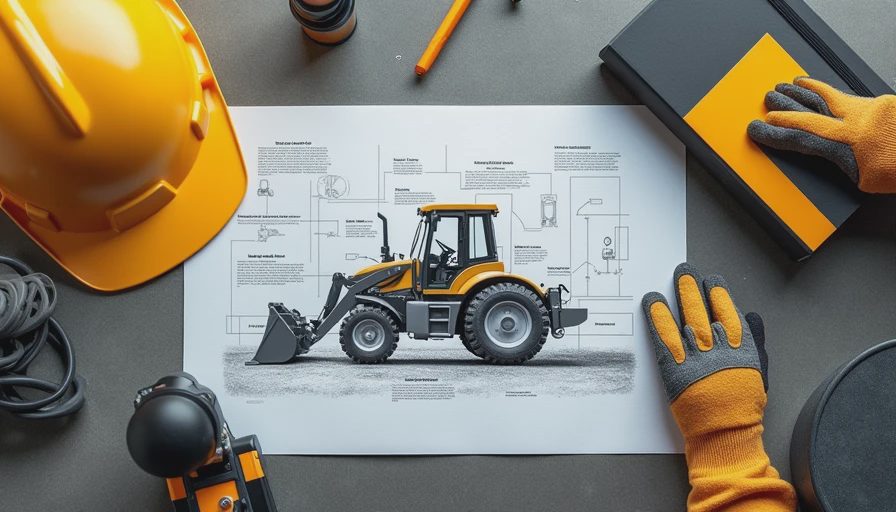
Program length depends on the equipment and the depth of instruction. Short introductory courses may run for several days and focus on basic safety and controls. Career programs commonly last several weeks, combining classroom lessons, practical exercises, maintenance awareness, and jobsite procedures. Apprenticeships and union pathways can take much longer because they combine supervised work with structured education.
Do not judge a program by calendar length alone. Ask how many actual operating hours each student receives. A two-week course with 30 hours in the seat can be more useful than a six-week program where students spend most of the day watching demonstrations. I would also ask how many students share one machine. If eight people rotate through a single excavator, your advertised practical training may become a handful of short turns.
The best heavy equipment operator school programs measure performance with practical tasks. You might be asked to perform a pre-start inspection, dig to a marked depth, maintain a safe spoil pile, load material evenly, park on a slope correctly, and respond to a simulated warning condition. Those exercises reveal more than a multiple-choice exam because they show whether your hands, eyes, and judgment work together.
Cost, Credentials, and the First Job
Tuition varies widely. Basic courses can cost several hundred dollars, while comprehensive programs may run from roughly $3,000 to more than $15,000. Housing, transportation, equipment fees, and certification tests can add to the bill. Before paying a deposit, get the total price in writing and ask what happens if weather or equipment downtime cancels your operating hours.
A certificate does not automatically qualify you for every job. Employers may also want a commercial driver's license, OSHA-based safety training, site-specific orientation, drug screening, or documented experience. Crane operation and certain specialized lifting work have additional requirements. The hiring manager will care about your ability to protect people and equipment on a real shift, not just the logo on your certificate.
When comparing a heavy equipment operator school, ask whether it helps with interviews, resumes, apprenticeships, or employer introductions. Look for instructors with field experience rather than people who only repeat a textbook. A useful instructor can explain why a trenching cycle is slow, how a hydraulic leak develops, and when a machine should be parked instead of pushed through a fault.

How to Inspect a Program Before You Enroll
Visit the facility if possible. Look at the machines, the yard, and the student-to-instructor ratio. Are students wearing required protective equipment? Are machines parked with attachments lowered and keys controlled? Does the yard include slopes, uneven ground, trucks, trenches, and confined work areas? A polished brochure cannot answer those questions.
Ask to see the curriculum in detail. It should cover daily inspections, controls, attachments, basic maintenance, grade and elevation concepts, hand signals, radio communication, load awareness, and emergency response. If the entire sales pitch is “you will get certified fast,” keep your wallet in your pocket. Fast training has a place, but rushed training creates operators who know which lever moves the bucket and not much else.
Speak with recent graduates when the school allows it. Ask what percentage of their time was spent operating and what equipment they actually used. Ask whether the school helped them find work or simply handed them a certificate. A candid answer is worth more than a wall covered in marketing awards.
The Machines Worth Learning First
Excavators and skid steers often provide the broadest entry point because contractors use them across utilities, site preparation, landscaping, demolition, and road work. Wheel loaders teach load control, pile management, and truck loading. Dozers demand better feel for terrain and traction. Backhoes remain useful for smaller utility and municipal projects, while articulated trucks require careful attention to braking, turning radius, and ground conditions.
You do not need to master every machine before applying for work. Pick the equipment used by employers in your area, then build transferable habits: smooth control inputs, deliberate inspections, clear communication, and respect for changing ground conditions. A contractor would rather train a careful beginner than retrain an overconfident operator who has already bent an attachment or damaged a trench.
Before enrollment, write down the exact machine types, operating hours, instructor credentials, total cost, credential earned, and employer connections. Then compare those facts side by side. That simple process exposes programs selling classroom time as practical experience.
What Employers Notice After Graduation
On your first job, nobody expects perfection on day one. They do expect you to arrive prepared, follow the spotter's signals, stop when visibility disappears, and report abnormal noises or leaks. Do not hide a problem because you are afraid of looking inexperienced. A small hydraulic leak reported early can cost a hose and an hour. Ignored until the reservoir runs dry, it can become a pump replacement costing thousands.
The strongest graduates keep a small notebook of machine checks, operating hours, fuel use, and unusual behavior. That habit separates a future lead operator from someone who only moves the controls. If a bucket cylinder starts drifting or a track begins losing tension, your notes give the mechanic useful information instead of “it felt weird.”
A heavy equipment operator school can give you the foundation, but your reputation is built in the cab after graduation. Choose training that provides real seat time, honest feedback, and safe repetition. Then keep learning from experienced operators and from the machines themselves. Hours logged: enough to know that training starts the day you climb in. Fluid samples pulled: none in a classroom, but plenty in the field. Parts replaced: preferably zero because you learned to inspect first. Iron tested. Iron told.
00 Transmissions
No transmissions yet. Yours opens the channel.