If you are asking how much do a heavy equipment operator make, ignore the glossy recruiting promises and start with the numbers. Pay depends on the machine, region, union status, shift schedule, experience, and whether you are an employee or an owner-operator. In the United States, a working heavy equipment operator commonly earns about $45,000 to $85,000 per year, while experienced operators in specialized or high-overtime markets can clear $100,000.
That range is wide because running a skid steer on a small residential site is not the same job as operating a 200-ton mining shovel. I have watched both careers develop, and the cab is only part of the equation. The worksite, production target, maintenance culture, and number of paid hours all show up in the paycheck.
Typical heavy equipment operator pay ranges
Entry-level operators often start between $18 and $25 per hour. These jobs may involve compact excavators, skid steers, backhoes, rollers, or loaders. A new operator who can grade accurately, complete daily inspections, and avoid damaging attachments can move into the $25 to $32 range after a few seasons.
Experienced operators commonly earn $30 to $42 per hour, particularly when they can handle multiple machines. A strong excavator operator who understands trench safety, utility exposure, benching, and production rates is more valuable than someone who simply knows which joystick moves the bucket. Crane operators, heavy lift specialists, and tunnel or mining operators can earn $40 to $60 per hour or more.
Union construction work frequently has a higher hourly package, although the advertised wage may not include health insurance, pension contributions, or other benefits. A $38 hourly wage with a substantial benefit package can beat a $45 nonunion wage if the second job provides no paid time off or retirement contribution.
Annual income also depends on actual hours. At $32 per hour, 2,080 straight-time hours produces $66,560 before overtime and taxes. Eighty hours of overtime at time-and-a-half adds $3,840. A busy operator working several hundred overtime hours can push well above the base salary.
How location and equipment change the answer
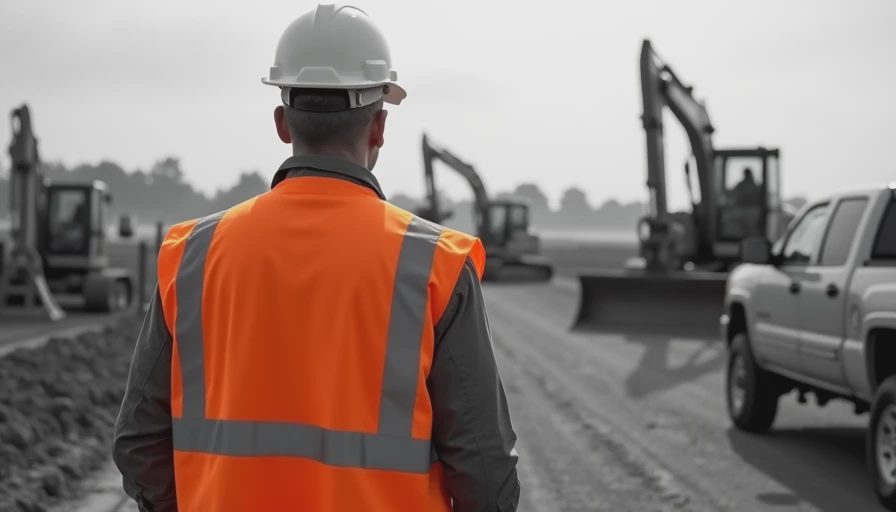
When people ask how much do a heavy equipment operator make, they often leave out location. That is the first mistake. Metropolitan construction markets, large infrastructure projects, quarries, ports, pipeline corridors, and mines generally pay more than small rural residential operations. Housing costs are higher in many of those markets, but the wage difference can still be meaningful.
A road-building operator may spend long stretches running a motor grader, dozer, or articulated truck. A commercial site operator might switch between an excavator and wheel loader several times each day. Mining and aggregate work often brings shift premiums, production bonuses, and overtime, but the schedule can include nights, long rotations, and remote camps.
The machine itself matters because training and consequence rise with size. A small excavator operator is responsible for a valuable asset, but a mistake on a 90-ton excavator can damage a hydraulic cylinder, bucket linkage, underground utility, or truck loading cycle. Employers pay for judgment, not just seat time.
Owner-operators have a different calculation. Gross revenue might look like $125,000 to $200,000 in a strong year, but fuel, repairs, transportation, insurance, financing, tires, attachments, and unpaid downtime can consume a large share. A $150,000 gross year is not a $150,000 salary. I have seen contractors mistake a full bank account in July for profit, then meet a $22,000 final-drive repair in October.
Skills that move an operator into the upper range
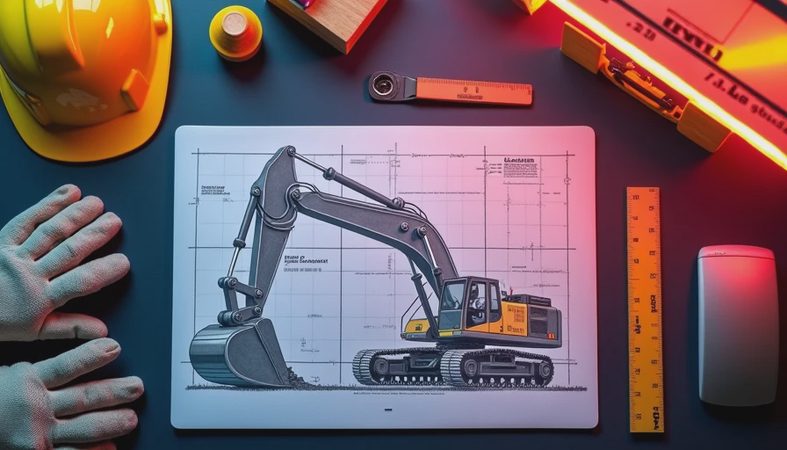
The fastest way to improve earning power is to become useful across the entire production cycle. Learn grade control, laser or GPS machine control, trench safety, lifting procedures, basic surveying, and attachment selection. An operator who can read cut-and-fill stakes and communicate clearly with the foreman prevents rework before it reaches the dirt.
Technology is another separator. Systems from Trimble, Topcon, and Caterpillar machine control can improve accuracy, but only when the operator understands the design surface and catches bad data. Pushing buttons is not expertise. Knowing that the bucket elevation is wrong because the reference point moved is expertise.
Maintenance knowledge pays as well. Daily walkarounds, correct grease intervals, fluid checks, track inspection, and early fault reporting protect uptime. If you can identify a hydraulic pump whining before the pressure drops, you save the company a repair and earn trust. That trust often leads to better assignments, lead-operator responsibilities, and higher pay.
Certifications can help, especially for cranes, rigging, industrial sites, and safety-sensitive work. Employers may also value OSHA training, commercial driving credentials, welding ability, and documented experience with particular machine families. Keep a clean record of machine models, hours, attachments, project types, and measurable results.

Overtime, benefits, and the real compensation package
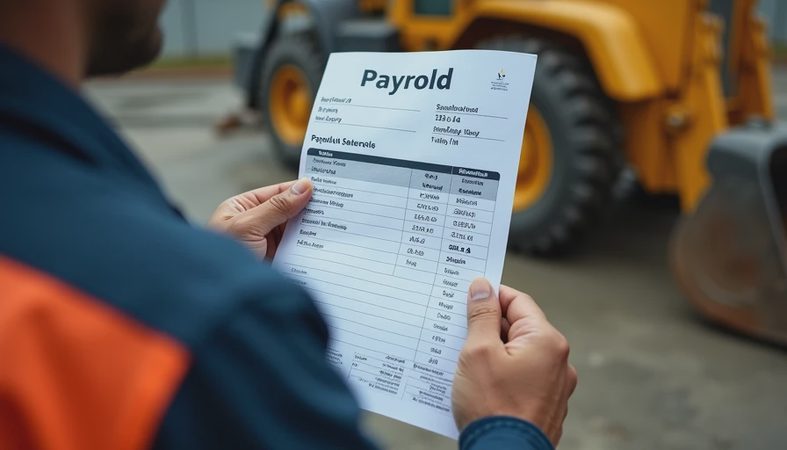
The hourly rate answers only part of how much do a heavy equipment operator make. Compare total compensation before accepting a job. Ask whether travel time is paid, whether per diem is taxable, how overtime is calculated, and whether weather delays count as paid hours. A schedule promising sixty hours every week is not useful if rain shuts down the site and the employer offers no guarantee.
Benefits can add thousands of dollars annually. Health insurance premiums, retirement matching, paid holidays, vacation, tool allowances, boot allowances, and training all have a cash value. A union package may separate wage and fringe rates, while a private contractor may roll everything into a simpler hourly offer. Get the details in writing.
Shift work deserves special attention. Night differential might add $1 to $4 per hour, while remote work can include housing or meal arrangements. Those extras can improve savings, but fatigue increases risk. A tired operator makes expensive mistakes around trucks, slopes, power lines, and people on foot.
For owner-operators, compensation means tracking every cost per operating hour. Record diesel consumption, repairs, filters, tires or tracks, transport, insurance, loan interest, and utilization. If a machine earns $135 per billable hour but spends 30 percent of the calendar sitting, the annual result is very different from a machine billing 90 percent of available time.
A practical way to compare job offers
Start with guaranteed base hours, then add realistic overtime rather than the recruiter’s best-case estimate. Next, price the benefits and subtract commuting, lodging, tools, and unpaid travel. Finally, examine the equipment and maintenance program. A clean, well-serviced fleet reduces stress and helps you produce more consistently.
For example, Job A pays $29 per hour, guarantees forty hours, offers health coverage, and runs newer Deere and Komatsu machines. Job B pays $35 per hour but regularly sends operators home during slow weeks, provides no retirement match, and operates neglected equipment. Job B may win during a boom month; Job A can produce steadier annual income and fewer surprise breakdowns.
Ask who handles machine inspections, how operators report defects, what happens after a hydraulic leak, and whether production targets reward safe decisions. If management pressures operators to keep working with a failed backup alarm or overheating engine, the extra dollars are not worth the exposure.
So, how much do a heavy equipment operator make?
A realistic answer is $45,000 to $85,000 for many operators, with specialized, union, mining, crane, and high-overtime positions reaching $90,000 to $120,000 or higher. Beginners should focus on safe production, documented hours, and learning more than one machine. Experienced operators should compare total compensation, not just the number printed beside “hourly wage.”
The machine tells you what the job is worth through production, uptime, and risk. Build skills that protect all three, and your pay usually follows. Ask direct questions, track the numbers, and walk away from employers who treat maintenance or safety as an inconvenience. The iron does not lie.
Hours logged: the number that matters. Fluid samples pulled: enough to catch problems early. Parts replaced: fewer when inspection is honest. Iron tested. Iron told.

00 Transmissions
No transmissions yet. Yours opens the channel.