
The largest excavator in the world is Bagger 293, a bucket-wheel excavator built for digging overburden at a German surface mine. At roughly 14,200 metric tons and about 96 meters tall, it belongs to a different class of equipment from the hydraulic excavators most contractors know. It cuts material continuously with buckets mounted around a rotating wheel, then sends that material onto conveyors. If your definition of excavator means a machine with a boom, stick, and single bucket, you need a different comparison.
Why Bagger 293 is in a class of its own
Bagger 293 is a crawler-mounted bucket-wheel excavator associated with Germany's lignite mining industry. Its job is to remove the soil and rock above a coal seam, known as overburden, so the deposit can be worked. The machine's size makes sense in a vast surface mine with a long working face and an equally substantial system to move the excavated material away.
A bucket wheel does not dig a truckload, swing around, dump, and repeat. The wheel rotates against the face while the machine's upper structure and boom position the cutting assembly. Material discharges from the buckets onto a conveyor system. The machine moves on crawlers, but its mobility is there to advance and position a very large digging system, not to make it a practical piece of equipment for ordinary jobsite moves.
The reported dimensions are staggering: approximately 225 meters long and 96 meters high, or about 738 feet by 315 feet. The commonly cited mass of roughly 14,200 metric tons equals about 15,650 US short tons. Those are rounded figures, and different accounts can use different measurements or configurations. The point is not whether the last digit matches; it is the scale of the operation required to keep the machine digging.
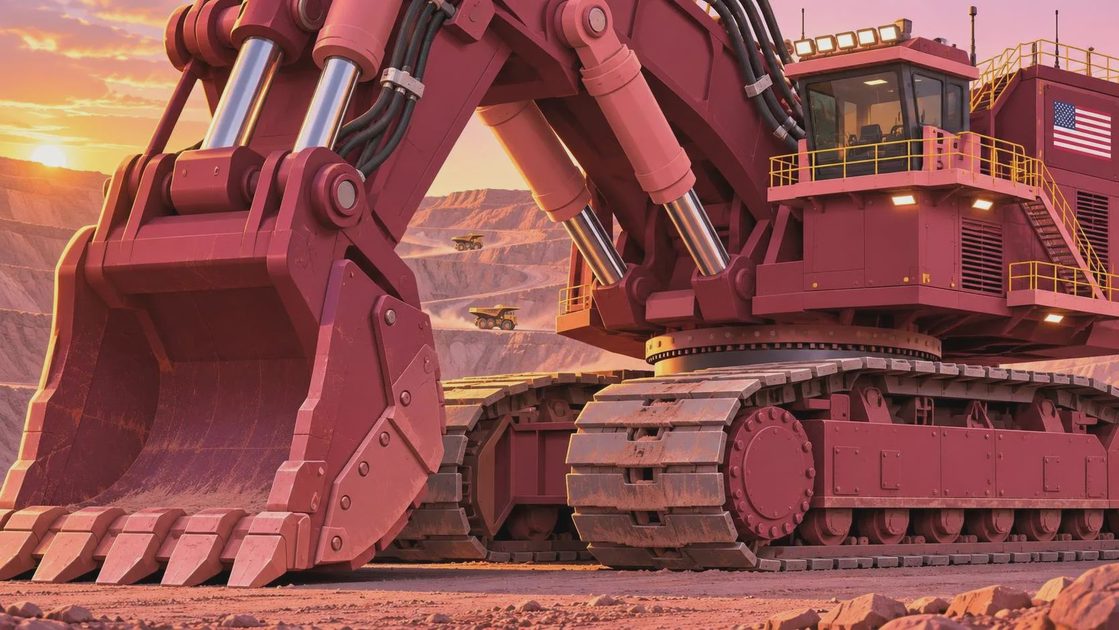
What makes the largest excavator in the world different?
Start with the material path. On a conventional hydraulic excavator, the bucket fills, the upper structure swings, and the operator dumps into a truck or pile. That is a cyclic process. On a bucket-wheel machine, excavation and conveying are intended to run continuously. A stoppage downstream can therefore affect the digging operation upstream.
That distinction changes the maintenance conversation. A hydraulic excavator fleet manager may be focused on pumps, cylinders, pins, bushings, and undercarriage wear. A bucket-wheel operation still has moving parts under serious load, but the system also depends on the cutting wheel, drives, structural components, conveyor belts, rollers, and transfer points. The digging machine is one link in a much larger production chain.
Material matters just as much. A bucket wheel is suited to certain large, relatively continuous deposits and overburden conditions. Hard, abrasive, highly variable, or obstructed ground can change the economics and the engineering requirements. You cannot take a headline production figure from a favorable mine and apply it to a mixed construction site.
How it compares with a mining shovel
The Caterpillar 6090 FS is a useful reference point for the other meaning of excavator: a giant hydraulic mining shovel with a single front shovel bucket. It is enormous by truck-and-shovel standards, but it is nowhere near Bagger 293's overall mass or length. The two machines do different work in different systems, so calling one simply better because it is bigger would miss the point.
A hydraulic mining shovel loads discrete buckets into haul trucks. That arrangement can offer routing flexibility: trucks can travel between loading areas, dumps, and processing points as the mine plan changes. The trade-off is a fleet to maintain, fuel, dispatch, and manage around the shovel. A bucket-wheel and conveyor system can move material continuously, but the infrastructure and mine geometry have to support it.
There are also giant electric rope shovels and draglines. A rope shovel uses cables to operate its digging equipment; a dragline pulls a bucket across the ground with cables. Both are major pieces of mining equipment, but they are not hydraulic excavators in the usual sense, and their dimensions and working methods differ. Before comparing record claims, ask whether the source means operating mass, overall length, height, bucket capacity, or a particular machine category.
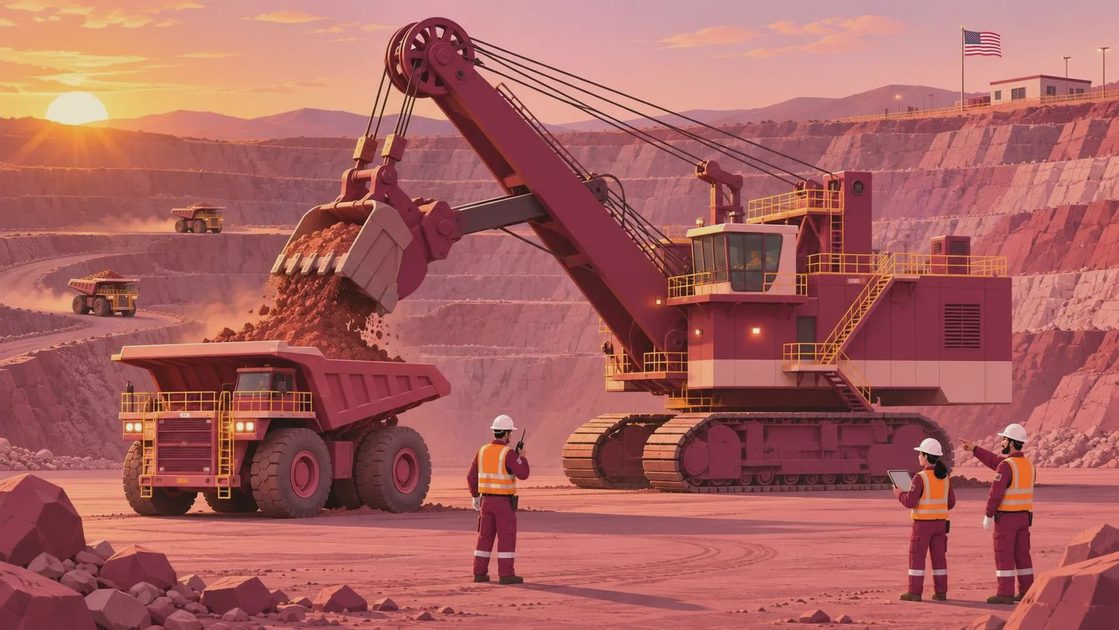
What the record does and does not tell a fleet manager
Size alone does not establish output or cost. For a bucket-wheel installation, useful production depends on the material, face conditions, digging plan, conveyor capacity, and the time the entire system is available. A machine can have impressive theoretical digging capacity and still be limited by a transfer point, a belt repair, or ground conditions.
For a practical comparison, put both systems on the same basis: actual bank cubic yards or tonnes moved, measured over the same period, and the full cost of moving that material to the required destination. Include power or fuel, maintenance labor and parts, operators, supporting equipment, and the relevant conveyor or haul-road costs. Keep the material description and haul or conveying distance with the numbers. Otherwise, a low cost per ton on one site may tell you nothing about another.
Availability and utilization deserve separate attention. Availability asks whether the equipment is ready to work; utilization asks how much of the scheduled time it actually works. A machine can be mechanically ready while waiting on a downstream system. Likewise, a shovel can wait on trucks even when its own systems are sound. Track those delays separately before deciding which asset needs money or attention.
Can you see Bagger 293?
Bagger 293 is associated with the Hambach lignite mining area in Germany, an active industrial setting rather than an ordinary public equipment yard. Mine access, machine locations, and viewing arrangements can change, so check the mine operator's current visitor information and local access rules before making a trip. Do not enter a mine or approach operating equipment without authorization.
This is a record explanation, not an Iron Test. No operating hours, fluid samples, or repair costs for Bagger 293 are claimed here. The useful takeaway is that its record comes from matching an immense continuous digging and conveying system to an immense mine. For most buyers, the better question is not how big the excavator is, but how reliably the whole system moves the material that actually needs moving.


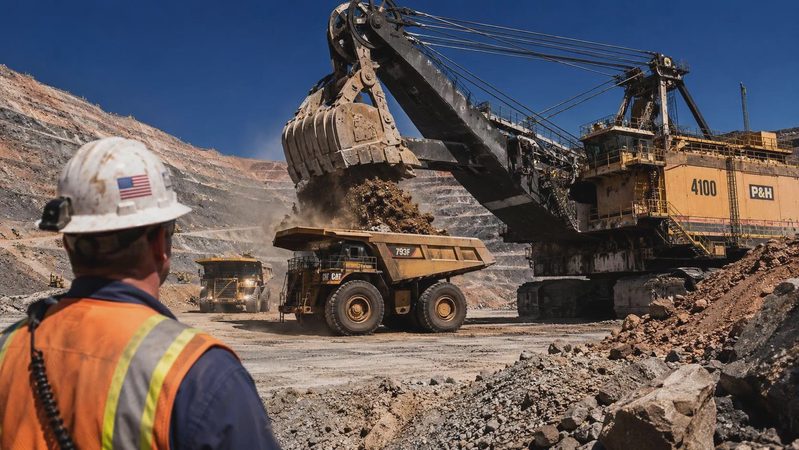
00 Transmissions
No transmissions yet. Yours opens the channel.