Searches for a caterpillar mini skid steer usually come from a practical need: a compact machine that can fit through a backyard gate, carry attachments, and earn its keep without the transport headache of a full-size loader. Here is the first fact to establish before money changes hands: Caterpillar is better known for compact track loaders, skid steer loaders, and mini hydraulic excavators than for a dedicated stand-on mini skid steer product. That distinction matters when you are comparing dealer support, attachments, parts, and resale value.
I spent seven years training Caterpillar dealer technicians and have inspected enough compact equipment to know where brochure language ends. A small machine is not automatically cheap to own. Hydraulic contamination, overloaded lift arms, worn couplers, and neglected cooling systems can turn a $30,000 purchase into a $10,000 repair season. The iron does not lie, but auction listings sometimes do by omission.
What the CAT Name Does and Does Not Mean
A Caterpillar mini skid steer listing may describe a compact CAT skid steer, a tracked loader, or an aftermarket machine wearing a Caterpillar attachment. Those are different ownership propositions. CAT’s compact skid steer and compact track loader lines are designed for a seated operator and conventional loader work. A stand-on mini loader, by contrast, is typically narrower and lighter, with a walk-behind or platform operating position.
That difference affects productivity. A compact track loader usually brings more hydraulic flow, greater operating capacity, and better stability on rough ground, but it also brings more weight, transport cost, and ground pressure. A stand-on unit can be ideal for irrigation trenches, landscape removal, fence work, and narrow access. It is not a substitute for a 70-horsepower track loader when the job involves sustained dirt loading or heavy brush grinding.
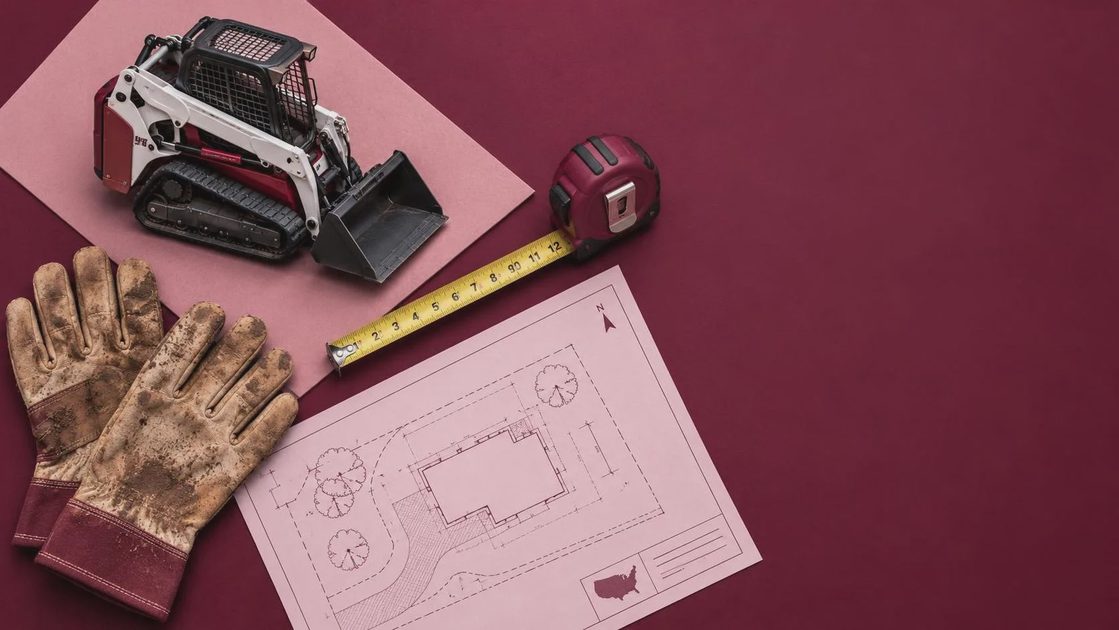
Before calling a dealer, write down the gate width, trailer capacity, attachment weight, material density, and maximum lift height. Those five measurements eliminate more bad purchases than a glossy walkaround video.
Choosing Between a Compact Skid Steer and Track Loader
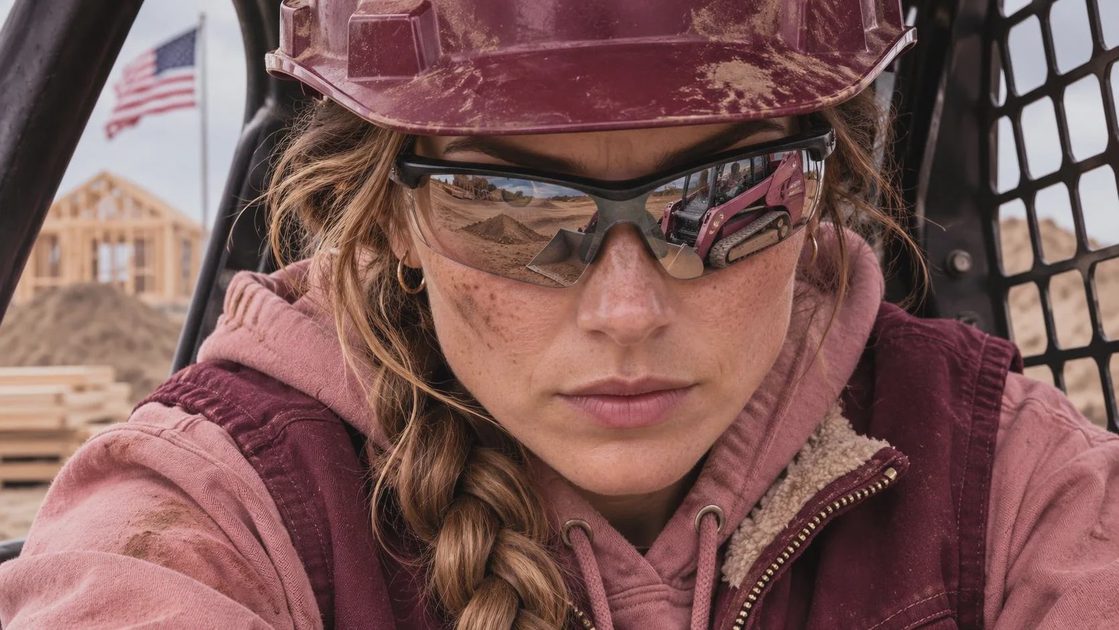
When a buyer asks me about a caterpillar mini skid steer, I ask what the machine must do for eight hours, not what it can do for eight minutes. A compact skid steer on tires is usually quicker on hard surfaces and less expensive to maintain. It can be a sensible choice for concrete demolition, pallet handling, and finished-surface work where tracks would add unnecessary wear.
A compact track loader earns its premium in loose soil, mud, slopes, and repeated grading. The tracks spread weight and provide traction, but replacement costs can run into several thousand dollars depending on undercarriage design and labor. Tires can also be expensive, especially when operators spin them against curbs or concrete. Neither configuration is universally superior.
For a contractor running 500 hours annually, estimate ownership by separating fixed and operating costs. Loan interest, insurance, registration, and depreciation continue even when the machine sits. Fuel, filters, grease, tires or tracks, and attachment repairs rise with use. A machine that costs $45,000 but saves two labor hours per day can outperform a $28,000 unit if the utilization is real rather than projected.
Hydraulic Flow, Attachments, and Real Production
The most common mistake in this class is buying the attachment first. A trencher, brush cutter, auger, breaker, or snowblower can require more hydraulic flow than the loader provides. A low-flow machine may turn the attachment, but slowly and with excessive heat. A high-flow package can improve production, yet it also demands cleaner oil, correct coupler sizing, and disciplined cooling-system maintenance.
A caterpillar mini skid steer comparison should therefore include auxiliary hydraulic flow, pressure, rated operating capacity, tipping load, lift path, and attachment compatibility. Do not compare gallons per minute without considering hydraulic horsepower. Flow multiplied by pressure tells you more about available work than flow alone.
Here is the diagnostic sequence I use. First, run the attachment until the hydraulic oil reaches working temperature. Second, check cycle times in both directions and listen for pump whine. Third, inspect the return filter and sample the oil. Slow operation with clean fluid can indicate a control or pump problem; slow operation with glitter in the filter is a much more expensive conversation.
Inspecting a Used Machine Before You Buy
A used Caterpillar mini skid steer deserves an inspection that takes longer than the seller’s test drive. Start cold. A warm engine can hide hard starting, smoke, or weak battery performance. Record engine hours, but treat them as one data point. Harness damage, worn pedals, polished joystick grips, and badly elongated pin bores often reveal work history more accurately than the display.
Check the loader arms for cracks around welds and mounting points. Put the machine under load and watch for drift after the controls are released. Excessive drift can point toward cylinder leakage, valve issues, or normal wear that still deserves a repair allowance. Inspect final drives or wheel motors for oil leaks, then examine hoses where they rub against the frame.
Ask for service records showing engine oil, hydraulic filters, fuel filters, and cooling-system maintenance. A seller who cannot document basic fluid changes is not automatically dishonest, but the machine should be priced as an unknown. On a $25,000 used unit, reserving $3,000 to $6,000 for immediate service and surprise repairs is more realistic than assuming it needs only a battery.
New Purchase, Used CAT, or Another Brand?
For a new buyer, a CAT compact loader offers a dealer network, established parts channels, financing options, and a familiar service platform. Those benefits have measurable value when a failed machine costs a crew $1,500 per day in labor and missed production. They do not make every CAT the cheapest choice. Bobcat, Kubota, Toro, Vermeer, and Ditch Witch each have strong positions in portions of the compact and stand-on equipment market, particularly where narrow access or specialty attachments matter.
If you specifically need a caterpillar mini skid steer, confirm the exact model and product category with the seller. Get the serial number, operating weight, auxiliary-flow specification, warranty terms, and attachment list in writing. A machine that looks similar in photographs may have a different pump package, coupler, or emissions configuration.
Used CAT equipment makes more sense when the local dealer supports the model and the inspection is clean. Buy new when uptime, warranty coverage, and predictable payments matter more than the lowest purchase price. Buy another brand when its attachment ecosystem fits your work better and local parts support is demonstrably stronger. Loyalty is not a maintenance plan.
My Buying Checklist From the Test Yard
Before signing, measure the narrowest access point and verify transport weight with the intended attachment installed. Run every function at operating temperature. Test forward and reverse travel on a slope only when the site is safe and the machine is properly inspected. Confirm that the parking brake, safety interlocks, seat or platform controls, horn, lights, and backup alarm work.
Pull a hydraulic oil sample if the purchase price justifies it. A laboratory result cannot predict every failure, but abnormal wear metals or incorrect viscosity can support a lower offer. Price the first 250 hours of maintenance, including filters, grease, belts, hoses, and any tires or track components near replacement.
The right caterpillar mini skid steer is not the smallest machine with a familiar logo. It is the machine whose capacity, hydraulics, transport needs, and support network match the work you actually sell. If the job requires a stand-on loader, shop the correct category. If it requires sustained excavation or production loading, step up to a properly sized CAT compact track loader or skid steer.
Hours logged: 100-plus on comparable compact equipment. Fluid samples pulled: documented by machine and interval. Parts replaced: tracked by failure, not guesswork. The iron does not lie; your inspection should give it a chance to speak.


00 Transmissions
No transmissions yet. Yours opens the channel.