If you are asking how much does an equipment operator make, the honest answer starts with the machine, the market, and the number of hours you can work. A rookie running a skid steer on residential jobs is not paid like an experienced excavator operator moving rock on a highway project. I have watched both jobs from the cab and from the service truck. The pay gap is real, and it usually reflects production risk, machine complexity, and responsibility rather than a fancy job title.
Across the United States, many construction equipment operators earn roughly $20 to $35 per hour. Entry-level work can land closer to $17 to $22, while experienced operators on commercial, industrial, utility, mining, or union projects can reach $35 to $50 or more. Annual income often falls between $40,000 and $75,000 before overtime. Strong overtime, per diem, and seasonal shutdown work can push total compensation higher.
How much does an equipment operator make by machine and market
Machine type changes the rate because it changes the consequence of a mistake. A skid steer, compact track loader, or small backhoe is common entry-level equipment. These operators may earn $18 to $28 per hour, especially when they also grade, spot trucks, perform daily inspections, and help with labor tasks.
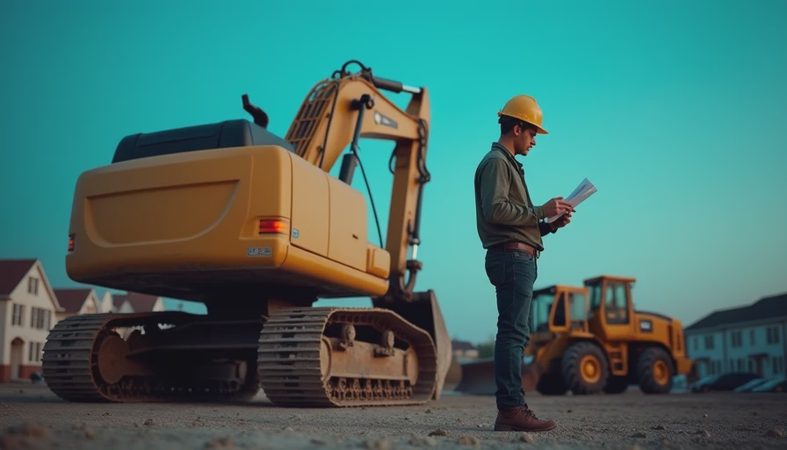
Excavator, dozer, motor grader, and articulated haul truck operators typically command more experience. A competent excavator operator who can dig around utilities, trim a slope, and load trucks without constant direction is valuable. In many markets, that work falls around $25 to $40 per hour. Heavy highway, pipeline, quarry, and mining roles can pay more, particularly when the schedule includes night shifts or remote assignments.
Location is the second major variable. Large metropolitan construction markets often offer higher wages because contractors face higher labor costs and tighter schedules. Rural areas may advertise lower hourly pay but provide steadier work, lower living costs, or a company truck. Compare the complete package, not just the number printed beside the dollar sign.

How much does an equipment operator make with overtime
Base wage is only one line on the pay stub. A contractor paying $27 per hour for a 55-hour week may provide more annual income than a contractor paying $32 for a 40-hour week. Under common overtime arrangements, the additional 15 hours are paid at time and a half, although the exact rules depend on the employer, job classification, contract, and state law.
That difference adds up quickly. At $27 per hour, 40 straight-time hours produce $1,080 before deductions. Fifteen overtime hours at $40.50 add $607.50, making the weekly gross $1,687.50. A schedule like that is demanding, but shutdowns, storm cleanup, paving seasons, and major earthwork projects can create those weeks.
Ask about overtime before accepting the job. Find out whether travel time is paid, whether Saturdays are guaranteed, and whether per diem is separate from wages. Some employers offer a lower hourly rate but include health insurance, retirement contributions, tool allowances, or paid training. Others offer a high rate and nothing else. Your comparison needs the full annual number.
How much does an equipment operator make after gaining experience
Experience is not simply time spent sitting in a seat. Ten years of repeating easy loading work does not equal ten years of solving difficult grade, production, and maintenance problems. The operator who can identify a hydraulic issue early, protect a machine from abuse, and keep trucks moving earns trust from the superintendent. Trust is what gets a phone call when the next project starts.
The fastest route upward is a documented skill stack. Learn laser and GPS grade control. Read a site plan. Understand cut-and-fill quantities. Become reliable with daily fluid checks, grease points, undercarriage inspections, and safe lockout procedures. If you can operate a machine and explain why its cycle time has changed, you are more useful than someone who only moves dirt.
Certifications can help, but they are not magic. OSHA-related training, manufacturer courses, and recognized crane or specialty credentials can improve access to better jobs. Employers still watch how you load a truck, swing near a ground worker, and shut down at the end of the shift. A certificate opens the gate; consistent production keeps you inside it.

How much does an equipment operator make as a union or specialty operator
Union construction jobs often use negotiated wage schedules that vary by region and classification. The posted hourly wage may be only part of the package because benefits can include health coverage, pension contributions, vacation pay, and training funds. A nonunion employer might offer a larger cash wage but fewer benefits. Put both offers on one sheet before deciding.
Specialty operators can also earn more because the replacement pool is smaller. Crane operators, tunnel operators, landfill compactor specialists, mining operators, and precision grading operators require more training and carry more operational responsibility. Remote work may include travel pay, camp arrangements, or rotation schedules. Those extras can improve total income, but they also mean long stretches away from home.
Owner-operators need a different calculation. Gross billing is not personal pay. A machine payment, diesel, repairs, insurance, transport, tires, tracks, taxes, and downtime come out first. A contractor billing $150 per hour for a large excavator does not pocket $150. If the machine costs $85 per operating hour to own and run, the remaining margin must cover overhead and profit. The iron does not lie, and neither does a maintenance spreadsheet.
How to negotiate a better equipment operator rate
Bring evidence instead of a vague request for more money. Write down the machines you can run, the materials you have handled, the controls you know, and the jobs where you worked independently. Include production results when they are credible: truck loads per shift, acres graded, trench footage, or reduced rework. Do not inflate the numbers. A superintendent can usually spot fiction by lunchtime.
Ask for a wage review after a defined period, such as 60 or 90 days, with specific targets. You might agree to move from $24 to $27 per hour after demonstrating independent operation of an excavator, GPS grading, and complete prestart inspections. Also ask whether the company will pay for manufacturer training or a certification that increases your value.
Before signing, confirm the shift length, equipment list, travel expectations, overtime policy, layoff practices, and who pays for damaged personal gear. A clean written offer prevents arguments later. If the employer cannot explain how an operator advances, that tells you something about the ceiling.
A practical answer for your next job search
So, how much does an equipment operator make in practical terms? A new operator may start near $35,000 to $45,000 annually. A dependable general operator often reaches $50,000 to $70,000. Experienced operators in heavy civil, mining, utility, union, or specialty work can exceed $75,000, especially with overtime and travel. Those figures are working ranges, not a promise attached to every zip code.
Use three questions to test an offer. What is the guaranteed weekly schedule? What equipment will I operate most often? What specific skill moves me to the next pay tier? If the answers are clear, you can compare the opportunity honestly. If the offer depends on unlimited overtime or promises a raise with no date, price the risk carefully.
I have seen operators increase their income without changing employers by learning grade control, improving inspection discipline, and becoming the person who can finish a difficult cut without supervision. I have also seen high-paid operators lose work because they ignored lockout rules or abused machines. Skill pays. Reliability pays longer.
Hours logged: thousands. Fluid samples pulled: enough to fill a filing cabinet. Parts replaced: more than I care to count. Iron tested. Iron told.

00 Transmissions
No transmissions yet. Yours opens the channel.