How to Become a Heavy Machine Operator: A Field Guide from the Test Yard
You want to know how to become a heavy machine operator. Good. The iron doesn't lie, and neither will I. I've spent two decades around this equipment—first wrenching on it as a dealer tech, then training operators and dealer crews across the Southwest and down into Chile. I've watched a hundred guys climb into a cab for the first time. Some are working in construction a year later; the rest are gone. The difference isn't strength or natural talent. It's the way they approach the machine.
What You're Signing Up For
Heavy machine operators run the equipment that moves earth, rock, concrete, and scrap. That means excavators, bulldozers, wheel loaders, motor graders, and cranes. You're not just pulling levers. You're cutting grade, loading trucks to spec, keeping a site safe, and watching the ground shift under you. The best operators make it look easy because they've spent hours learning to hear when a hydraulic pump is laboring or when a track is losing tension. The machine will tell you what it needs. You have to learn to listen.
The Training Paths That Actually Work
Here's the honest answer: you don't need a four-year degree. You need seat time and a few key certifications. The most direct route is a formal operator training program. Community colleges and private trade schools offer heavy equipment courses that run anywhere from three weeks to six months. Expect to pay between $5,000 and $15,000 for a solid school. That sounds steep, but it's less than your first year's raise on most jobs. Look for a program that puts you in a real seat, not just a simulator. Simulators are good for learning your hand movements, but they don't teach you how ground reacts.
Union Apprenticeships: Get Paid to Learn
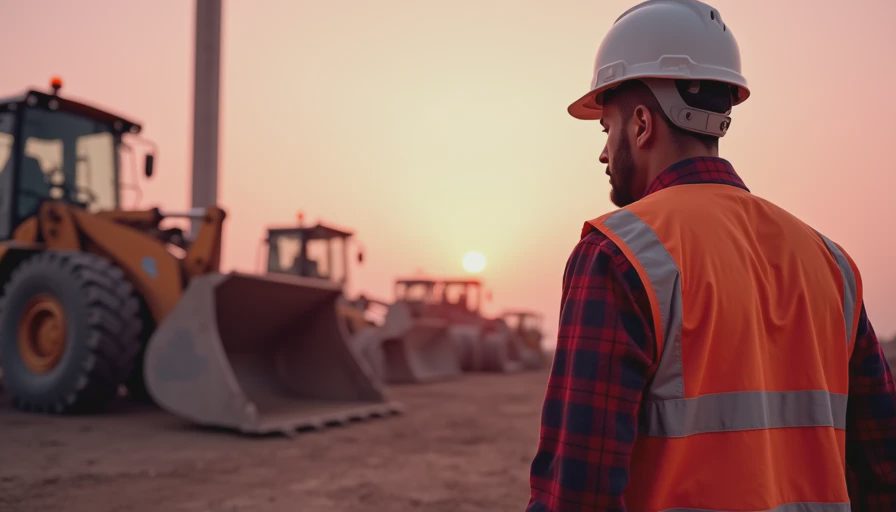
The other route is an apprenticeship with the International Union of Operating Engineers (IUOE). That's how a lot of the best operators in the country got their start. You apply to a local, get accepted, and spend two to four years working under a journeyman operator while taking related classroom instruction. You log hours on actual job sites, get paid from day one, and leave with a journey-level card that employers recognize. Apprentices start at a percentage of journeyman scale—usually half to two-thirds—but the healthcare, pension, and training are part of the package. If you can get in, this is the smartest path.
Certifications That Actually Matter
Don't confuse school completion with being certified. If you're serious about how to become a heavy machine operator, certifications set you apart on a resume. Start with OSHA 10 or OSHA 30 for construction safety. If you plan to run cranes, you need the National Commission for the Certification of Crane Operators (NCCCO) credential. Many states and job sites require it. Also, a Commercial Driver's License (CDL) helps because you'll often truck the equipment to and from job sites. Requirements vary by state, so check with your local Department of Transportation or the jobsite owner about what they need. A clean safety record is the non-negotiable.
Getting Seat Time and Your First Job
Training and certificates open doors, but seat time gets you paid. The common mistake is expecting a brand new CAT 336 excavator on day one. You'll almost certainly start on older iron. That's fine. I've inspected plenty of ten-thousand-hour machines that still had good life left, and a seasoned operator can make a beat-up loader perform like new. Smaller earthmoving and excavating contractors are your best first step. They're always looking for someone who can run a mini-excavator or a skid steer without tearing it up. Once you log a thousand hours, your resume starts to get real. Keep a logbook of every hour, every machine, and every task.
What You Can Earn and What It Costs
The money is real. According to Bureau of Labor Statistics figures, the median pay for heavy equipment operators sits around $55,000 a year, and top commercial operators clear $90,000 or more when they run cranes or work overtime on big sites. Apprenticeship wages start lower, but you're earning while you learn. Compare that to the $10,000 you might spend on a trade school program. Run the numbers over a thirty-year career and the return is obvious. Specialized work pays more. If you can run a crane with a tower or a specialty excavator, you are no longer competing for the bottom dollar. You're the guy the contractor calls first.
Don't forget benefits. Union operators often get health insurance, a pension plan, and paid time off that add $15,000 to $20,000 to the total package. Non-union jobs may offer simpler perks, but overtime and per-diem checks on remote projects pad the check. Add it up and the career starts to look like a solid middle-class path.
Where to Start Today
If you're still wondering how to become a heavy machine operator, stop wondering and start acting. Call your local IUOE hall and ask about the apprenticeship. Check your state's workforce development site for free training grants—many offer tuition assistance for construction trade programs. Find a community college with a heavy equipment program and tour the yard. Talk to a local contractor and ask for a chance to run a loader on a slow weekend. The iron is sitting out there. It doesn't care about your background or your grades. It cares about your hands on the levers and your head in the game. The iron doesn't lie.

00 Transmissions
No transmissions yet. Yours opens the channel.