A 2 ton mini excavator sits in a useful middle ground: small enough for residential access, heavy enough to dig real trenches, and compact enough to haul behind a properly rated trailer. But brochure weight is not working performance. When I evaluate a 2 ton mini excavator, I want to know how it lifts at full reach, how smoothly the hydraulics meter flow, and what the machine costs to keep productive after the first 1,000 hours.
This size class usually falls around 4,000 to 5,000 pounds operating weight, depending on canopy, cab, blade, counterweight, and attachments. That makes transport easier than with a 3.5-ton machine, but it also limits lifting capacity. A contractor choosing by purchase price alone can end up with a machine that reaches the job but cannot safely handle the pipe, bucket, or breaker the job requires.
What a 2 ton mini excavator can realistically do
A 2 ton mini excavator is well suited to utility trenches, irrigation work, light grading, stump removal, landscaping, pool preparation, and foundation drainage. With a narrow bucket, many machines can work in a backyard gate opening. With rubber tracks, they are less destructive on finished surfaces than a steel-tracked machine, although sharp turns can still mark wet turf or decorative concrete.
Expect practical digging depths of roughly 7 to 9 feet, with reach commonly landing between 12 and 15 feet. Those are useful numbers, but they do not tell the whole story. Digging force depends on hydraulic pressure, cylinder size, bucket geometry, and how much weight remains over the tracks when the boom is extended. A machine that looks strong near the blade can become light and unstable when lifting over the side.
For trenching, the hydraulic system should respond predictably at low engine speed. Jerky pilot controls, delayed boom movement, or a noticeable change in speed after the oil warms up are not personality traits. They point toward contaminated oil, worn valve components, air entering the suction side, or a pump beginning to lose efficiency.
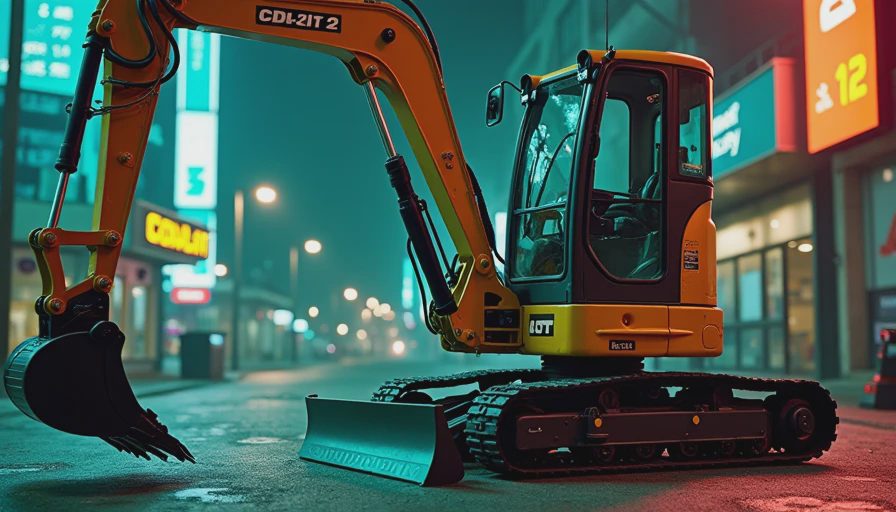
Hydraulic performance matters more than horsepower
Manufacturers often lead with engine output. I pay closer attention to hydraulic flow, rated pressure, cycle times, and heat management. A 2 ton mini excavator with modest horsepower can outperform a more powerful competitor if its pump and control valve deliver usable flow without excessive heat.
Run the boom, arm, bucket, and swing together. The machine should combine functions without one circuit falling flat. Then curl a loaded bucket while tracking forward. A healthy system should maintain control rather than lurching, stalling, or producing a high-pitched relief-valve whine. After 30 minutes of digging, check whether the hydraulic tank or lines are abnormally hot. Heat is wasted power, and wasted power becomes seal failure and premature pump wear.
Look for auxiliary-flow controls if you will operate a hydraulic thumb, auger, breaker, or brush cutter. A basic auxiliary circuit may work well for a thumb but struggle with a continuous-duty attachment. Ask for the flow range, not just the phrase “auxiliary hydraulics.” A contractor buying a $3,000 auger should not discover after delivery that the excavator cannot turn it at useful speed.
New purchase price versus lifetime cost
New pricing varies sharply with cab configuration, controls, emissions equipment, attachments, and dealer support. A basic 2 ton mini excavator can land in the low-to-mid $30,000 range, while a well-equipped cab machine from a major manufacturer can approach or exceed $50,000. Kubota, Bobcat, Takeuchi, John Deere, and Caterpillar all have strong dealer networks in different regions, but local parts access matters more than a badge on the counterweight.
Budget beyond the purchase order. A trenching bucket may cost $700 to $1,500. A hydraulic thumb can add $2,000 to $5,000, and a breaker often adds several thousand dollars more. Annual filters and fluids are usually manageable, but undercarriage wear, hoses, pins, bushings, and attachment repairs can quickly turn a cheap machine into an expensive one.
I would rather buy a $42,000 machine with documented service, a tight bucket linkage, and a dealer 30 minutes away than save $5,000 on a model whose filters must be special-ordered. Downtime is an equipment cost. For a small contractor, two lost workdays can erase the apparent purchase savings.
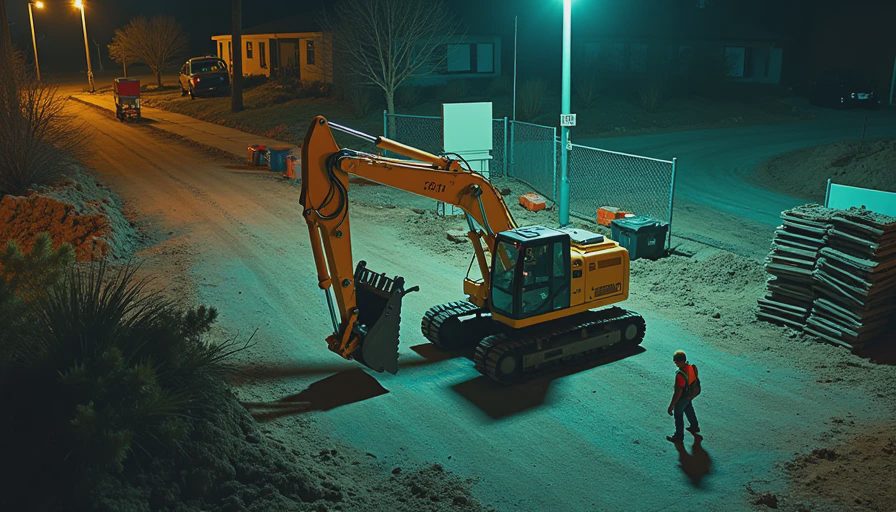
Inspecting a used 2 ton mini excavator
Start cold. A seller who has already warmed the machine may be hiding hard starting, smoke, or hydraulic weakness. Check engine oil level and condition, coolant level, final-drive oil, hydraulic oil, and the air filter. Metallic particles on a magnetic drain plug or silver paste around a final-drive drain deserve an explanation before money changes hands.
Next, inspect the undercarriage. Measure track sag against the service specification, examine sprocket teeth, and look for cracked track pads or leaking rollers. On a small excavator, a worn undercarriage can still cost several thousand dollars once tracks, rollers, and sprockets are combined. Track motors should move evenly in both directions, and the machine should travel straight without constant steering correction.
Put the blade down, lift the front of the machine slightly, and listen for excessive play in the boom, arm, and bucket pins. A little movement is normal on a working machine. A sharp knock with every direction change is not. Swing the house slowly, stop, reverse, and repeat. A rough spot, grinding noise, or excessive swing drift can indicate bearing or gear wear.
A proper inspection also includes a loaded lift test within safe limits. Raise a known load close to the machine, then at increasing reach. Watch for hydraulic drift, track lift, unstable counterweight behavior, and relief-valve noise. Never substitute a seller's claim for a controlled test.
Choosing the right configuration
For residential and utility work, a cab may justify its extra cost through air conditioning, heat, visibility, and reduced operator fatigue. A canopy is cheaper and easier to service, but it leaves the operator exposed to sun, dust, and weather. In Arizona, I put air conditioning on the serious-work list; in colder regions, defrosting and heat deserve equal attention.
Zero-tail-swing designs are useful beside walls and fences, but they often trade some rear weight for maneuverability. If frequent lifting is part of the job, compare rated lift charts rather than assuming zero tail swing is automatically better. Rubber tracks suit finished surfaces, while steel tracks make more sense in rock, demolition, and abrasive ground.
Before signing, price the exact package: hydraulic thumb, coupler, buckets, trailer, tie-down points, service kit, and delivery. Then verify the trailer's payload after the attachment package is installed. A trailer rated at 7,000 pounds is not automatically legal or safe for every loaded combination.
The decision that survives hard use
The best 2 ton mini excavator is not the one with the loudest sales pitch. It is the one that matches your lifting chart, attachment plan, transport limits, and local service support. Demand a cold start, a complete function test, fluid records, and clear answers about warranty coverage. On a used machine, pay for an independent inspection before wiring the deposit; $500 to $1,000 is cheap insurance against a pump or final-drive surprise.
If the machine will work 500 hours a year, calculate fuel, scheduled maintenance, transport, and a repair reserve before comparing monthly payments. If it will work only occasionally, rental may beat ownership. If it will dig every week, dependable dealer support and parts availability usually outweigh a modest sticker-price discount.
The iron does not lie. It shows itself in clean fluids, consistent cycle times, tight pins, even track wear, and a machine that performs the same job hot as it did cold. Buy those facts, not the paint.
Hours logged: inspection standard established. Fluid samples pulled: verify before purchase. Parts replaced: budget for the wear items. Iron tested. Iron told.

00 Transmissions
No transmissions yet. Yours opens the channel.