The best skid loader for the money is not automatically the cheapest machine on the auction block. It is the loader that produces useful work without turning routine maintenance, hydraulic repairs, and downtime into a second monthly payment. I have spent enough years around dealer service bays and construction fleets to know that a $38,000 bargain can become a $65,000 mistake quickly. The iron doesn't lie, but the listing photos often do.
Start with the work, not the badge
Before comparing Bobcat, Caterpillar, John Deere, Case, or New Holland, write down the work the machine will actually perform. A landscaper moving mulch and grading residential lots has different requirements from a utility contractor trenching through caliche or a farm operator cleaning pens.
For general dirt work, look for 2,000 to 2,700 pounds of rated operating capacity, auxiliary hydraulics around 20 to 25 gallons per minute, and a tipping load that gives the operator useful margin. A high-flow package is valuable for cold planers, forestry cutters, and asphalt grinders, but it adds purchase cost and does nothing for a machine that will spend its life carrying a bucket.
The best skid loader for the money also has to fit your transport and storage setup. A 6,000-pound machine may be productive, but it needs a heavier trailer, larger tow vehicle, and more room to turn. A compact model can save several thousand dollars in transport equipment while handling most residential grading jobs. That is real ownership cost, not a footnote on the specification sheet.
My first filter is simple: choose the smallest loader that can complete the hardest regular task without operating at its limit all day. Constantly running at maximum hydraulic temperature is not a badge of toughness. It is an invoice waiting to happen.
Models worth putting on the inspection list
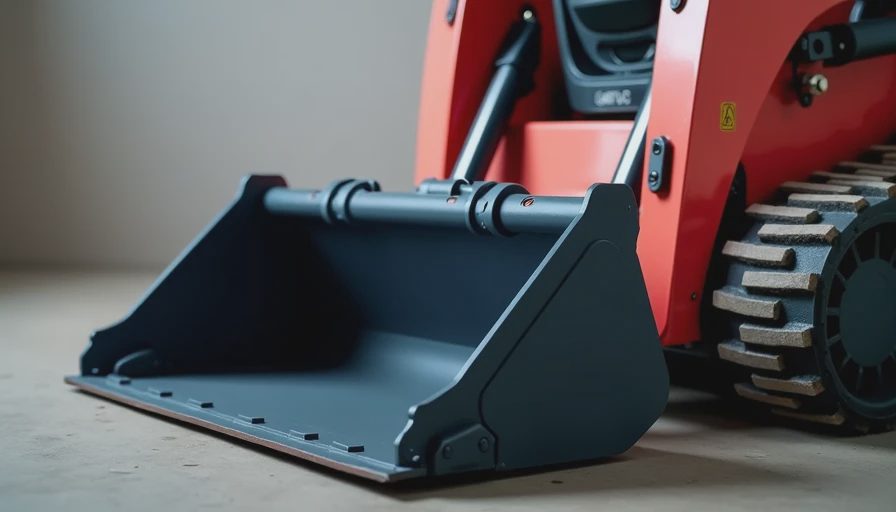
The Bobcat S650 is common for a reason. Parts and attachments are easy to find, resale is usually strong, and the operator layout is familiar to many rental and construction crews. A clean, well-maintained S650 in the roughly $35,000 to $55,000 used range can be a sensible purchase, but inspect the lift-arm pivot pins and hydraulic quick coupler carefully. A popular machine is not immune to worn joints.
The Caterpillar 262D3 is another practical candidate. Its cab, controls, and service access are generally contractor-friendly, and a clean machine with documented maintenance can command a premium. Expect many late-model used examples to sit above comparable older loaders in price. That premium makes sense only if the hours, tires, hydraulic performance, and maintenance records support it.
John Deere's 332G belongs on the list when you need strong lift capacity and a productive general-purpose loader. It can be a good fit for heavier grading, pallet work, and material handling. Check the boom linkage, axle areas, cooling package, and electrical functions. A machine that starts cleanly but has warning lights, intermittent switches, or a neglected radiator is not a bargain.
Case and New Holland models can offer attractive purchase prices, especially through regional dealers and used-equipment auctions. The deciding factor is local parts support. Saving $6,000 at purchase does not help if a hydraulic hose or controller keeps the machine parked for two weeks during your busiest season.
Where the money actually disappears
Purchase price is only the first line on the spreadsheet. Tires, fuel, filters, grease, attachment wear, insurance, transportation, and repairs determine the real cost per hour. On a used skid loader, set aside at least several thousand dollars for immediate baseline work unless the seller provides credible records. That budget can cover fluids, filters, belts, hoses, battery work, and correcting neglected grease points.
Hydraulic pumps and drive components deserve special attention. A loader that whines under load, surges while traveling, or loses power when hot may have a problem that costs $5,000 to $15,000 depending on the failed component and labor. The symptom is weak performance. The root cause may be a charge-pressure issue, worn hydrostatic components, contaminated oil, or a control problem. What to do about it is test pressures and oil condition before negotiating, not guess from a cold start.
A $45,000 machine that costs $8,000 to make dependable may still beat a $60,000 machine with unknown history. Conversely, a $25,000 loader with 7,000 hours and no records can consume your entire advantage before the first profitable job.
For that reason, the best skid loader for the money is often the documented machine, not the lowest-hour machine. Hours tell you how much the machine worked. Service records tell you whether someone cared how it worked.
A used-machine inspection that earns its keep
Arrive before the loader is warmed up. Feel the engine block and hydraulic tank, then watch the cold start. Excessive white smoke, long cranking, loud injector knock, or immediate blow-by deserves an explanation. Do not let a seller preheat the machine and call that a demonstration.
Next, inspect the frame and lift-arm structure for fresh paint, welds, cracked gussets, and oil collected around cylinder rods. Lift the loader, support it safely according to the manufacturer procedure, and check for excessive movement at the pivots. Pins and bushings can turn a good purchase into a $3,000 to $8,000 repair.
Drive forward and reverse in both directions. Listen for whining, hesitation, or a difference between sides. Run the auxiliary hydraulics with the intended attachment if possible, then repeat the test after the machine is hot. Hydraulic problems that hide for ten minutes often become obvious after an hour.
Finally, sample the engine and hydraulic fluids. A laboratory report cannot identify every problem, but it can reveal abnormal wear metals, coolant contamination, or dirt that should change your offer. Match the serial number to service records and verify that the hour meter, tire wear, pedal wear, and seat condition tell the same story.
New, used, or rental fleet?
A new loader brings warranty coverage, financing options, and predictable service intervals. It also carries the steepest depreciation during the first years. For an owner-operator with steady work, a three- to five-year-old machine with 2,000 to 4,000 hours can offer a better balance, provided inspection results are strong.
Former rental machines deserve extra scrutiny because multiple operators may have different maintenance habits. That does not make every rental loader bad; it means the hour meter is not enough. Look for damaged panels, bent attachment plates, loose controls, and evidence of operation with an overloaded bucket.
Renting before buying is one of the cheapest tests available. Put the candidate size on your actual jobs for a week. Track fuel use, loading speed, operator fatigue, and attachment compatibility. That field information is worth more than a polished demo in a clean dealer lot.
My buying rule
If I were spending my own money, I would prioritize local parts support, documented service, a strong cold-start inspection, and a machine size matched to the work. I would rather buy a clean Bobcat S650 or Cat 262D3 with honest records than chase a low price on an unidentified auction machine. For heavier production, I would inspect a John Deere 332G, Case, or New Holland equivalent and compare the local dealer's response time before signing.
The best skid loader for the money should earn its payment through productive hours, not sit behind the shop waiting for a diagnosis. Get oil samples, pressure-test questionable hydraulics, price the common wear items, and negotiate from repair costs instead of emotion. A $2,000 inspection can protect an $80,000 purchase decision.
The best skid loader for the money is the one you can service, operate, and resell without explaining away a trail of compromises. Hours logged: the number on the machine is only the beginning. Fluid samples pulled: at least one engine and hydraulic sample before purchase. Parts replaced: budget for the neglected ones. Iron tested. Iron told.

00 Transmissions
No transmissions yet. Yours opens the channel.