A cat mini skid steer search usually starts with a simple need: move dirt, trench utilities, clear a lot, or run attachments where a full-size skid steer cannot fit. The complication is terminology. Caterpillar has built compact track loaders and skid steer loaders, but “mini skid steer” is often a buyer’s shorthand for a small stand-on loader from another manufacturer. Before you compare prices, identify the machine class, hydraulic requirements, and service support you actually need.
I have spent enough time around hydraulic systems to distrust a brochure that gives only a horsepower number. A small loader can be productive, but only when its operating weight, rated capacity, auxiliary flow, attachment compatibility, and transport requirements match the job. The iron does not lie. A machine that is overloaded every afternoon will eventually show you the invoice.
What “mini skid steer” usually means
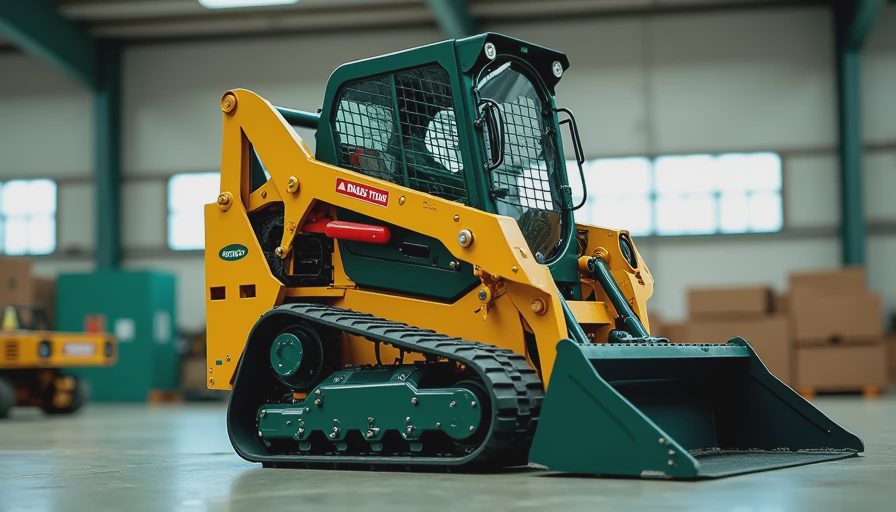
The phrase cat mini skid steer can point buyers toward several different machines. Caterpillar’s small skid steer loaders, such as the 226D3, are compact sit-down loaders with a cab or operator station, wheels, and a skid-steer turning system. Cat also sells compact track loaders, including small-frame models designed for better flotation and traction on soft ground. Neither category is exactly the same as a narrow stand-on mini loader used by landscapers and utility contractors.
That distinction matters. A stand-on loader can fit through gates roughly 36 to 48 inches wide, depending on the model and tires. A Cat skid steer is wider and heavier, but it generally offers more lift capacity, greater stability, and a larger attachment range. If you are carrying pallets, loading spoils, or pushing several inches of aggregate, the heavier platform is usually the safer tool. If you are repairing irrigation lines behind residential properties, width and ground disturbance may matter more than raw breakout force.
Before calling a dealer, write down the narrowest gate, the heaviest attachment, the maximum trailer payload, and the surface conditions. Those four measurements eliminate more bad purchases than another hour of watching walkaround videos.
The numbers that decide whether it works
For a cat mini skid steer comparison, start with rated operating capacity rather than engine horsepower. Rated operating capacity describes how much the loader is designed to carry under a specified stability standard. It is not the same as tipping load, and it does not mean every attachment can be used at that weight. A bucket full of wet clay can exceed expectations quickly.
Next, examine auxiliary hydraulic flow. A basic low-flow circuit may run a bucket, auger, broom, or pallet forks. A high-flow option is more appropriate for demanding attachments such as a trencher, cold planer, brush cutter, or hydraulic breaker. Check the attachment manufacturer’s required gallons per minute and pressure. A loader that technically connects to an attachment but cannot provide enough flow will produce slow cycle times, excess heat, and disappointing production.
Operating weight affects transport and stability. A small stand-on unit may fit in a light trailer, while a compact Cat skid steer can push the trailer, truck, and tie-down system into a different weight class. Add the bucket, forks, fuel, chains, and tools to your calculation. A purchase that looks affordable can require a heavier trailer and new tow vehicle before it earns its first dollar.
Inspecting a used machine without getting fooled
Used equipment is where a cat mini skid steer inspection pays for itself. Start cold. Ask the seller not to warm the engine before arrival. A cold start exposes weak batteries, excessive smoke, hard starting, and hydraulic noise that disappears after ten minutes of operation.
Look at the loader arms, pivot pins, and bushings before staring at the paint. Fresh grease around a dry pin is not proof of maintenance; it can be camouflage. Put the arms under load and listen for clunks as the machine changes direction. Check cylinder rods for pitting or oil leakage, then inspect hoses near articulation points and the auxiliary couplers. A replacement hydraulic hose might cost $100 to $300. A contaminated pump or damaged valve block can push repairs into the thousands.
Drive forward and reverse at low speed, then test each steering direction. Watch for one side pulling, jerky travel, or a motor that becomes louder under load. Inspect the radiator and oil cooler for packed dust and bent fins, especially on machines that worked in desert landscaping or demolition. Pull an engine oil sample and a hydraulic oil sample when the purchase price justifies it. A laboratory report will not predict every failure, but metal, water, or abnormal wear particles can change a negotiation quickly.
Attachment choice is where profit disappears
The cat mini skid steer itself is only the power unit. Your profit comes from the attachment completing work quickly. A $1,500 bucket is a different business proposition from a $7,000 trencher or an $11,000 brush cutter. Match the attachment to actual billable hours, not the most impressive option on the dealer’s wall.
For landscaping, a 36- to 48-inch bucket, pallet forks, and a leveler may cover most daily tasks. Utility contractors often need a trencher, backfill blade, and auger. Land-clearing crews should verify guarding, hydraulic cooling, and the carrier’s approved flow before running a brush cutter. An attachment that overwhelms the cooling system can turn a productive morning into an afternoon of waiting for oil temperature to fall.
Ask how the coupler handles hoses, whether attachments are readily available in your region, and how much downtime is required to change tools. Five minutes saved at every change can become several billable hours over a month. That is a better productivity argument than a vague claim about “versatility.”
New Cat machine or another mini loader?
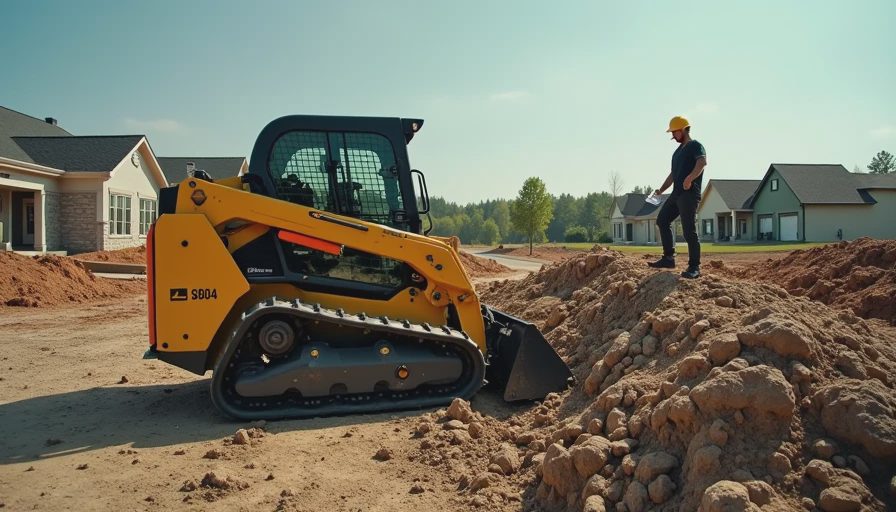
A new cat mini skid steer can make sense when dealer support, financing, warranty coverage, and parts availability matter more than the lowest purchase price. Cat’s dealer network is a genuine advantage for contractors who need trained technicians, electronic diagnostics, and predictable parts access. That advantage is worth less if the nearest service truck is several hours away or the dealer does not regularly support the specific model and attachments you plan to run.
Compare the Cat platform with machines from Toro, Ditch Witch, Vermeer, Boxer, and other established compact-loader manufacturers. A competing stand-on unit may offer better gate access or a lower entry price. A larger Cat skid steer may deliver better resale support and lifting stability. Do not compare only monthly payments. Add scheduled service, tires or tracks, attachment costs, transport, insurance, and a realistic reserve for hydraulic repairs.
For example, a contractor billing $110 per hour for trenching needs to know whether the machine actually completes the work in four hours or spends six hours repositioning, changing attachments, and cooling down. Productivity is the number on the invoice. Horsepower is only one input.
A practical purchase checklist
Before buying a cat mini skid steer, confirm the serial number, hour meter consistency, maintenance records, operating weight, rated operating capacity, auxiliary flow, and attachment requirements. Inspect the undercarriage or tires, then operate the machine until the hydraulic oil reaches normal temperature. Test every switch, interlock, light, gauge, coupler, and attachment function.
Request a written quote that separates the base machine, bucket, forks, trailer, freight, setup, taxes, and service plan. On a used unit, establish a repair allowance before negotiations. A $28,000 loader with $6,000 of immediate hydraulic and undercarriage work is not a $28,000 machine.
If the seller refuses a cold start, load test, fluid sampling, or independent inspection, walk away. The right machine should survive questions. A dealer demonstration is useful for fit and visibility, but it is not durability data. I want service records, operating evidence, and a clear answer to what happens when the first fault code appears.
The best cat mini skid steer purchase is not necessarily the smallest, newest, or cheapest. It is the machine that fits through the required access, runs the attachments you can bill for, and has support close enough to protect your schedule. Buy the hydraulic capacity you need, leave room in the budget for maintenance, and judge the deal by cost per productive hour.
Hours logged: verify them. Fluid samples pulled: take them. Parts replaced: document them. Iron tested. Iron told.
00 Transmissions
No transmissions yet. Yours opens the channel.