A bobcat skid steer earns its keep through cycle times, hydraulic response, fuel burn, and the number of hours it works before a wrench comes out. I have spent enough time around compact loaders, dealer service bays, and used-equipment inspections to know that a clean paint job proves almost nothing. The iron doesn't lie. The hour meter, fluid condition, pins, hoses, and operating temperature tell the real story.
If you are buying for grading, utility trenching, landscaping, snow removal, demolition, or farm work, start with the job instead of the logo. A machine that is perfect for pallet work can be frustrating in rocky desert soil. A high-flow unit can be valuable to a brush-clearing contractor and unnecessary expense for a landscaper moving mulch. The purchase only makes sense when the loader, attachment package, and service history match the work.
What a bobcat skid steer should do for your operation
The first question is capacity. Smaller machines are easier to trailer and often fit through residential gates, but their lift height, operating capacity, and hydraulic output limit what they can accomplish. Larger models carry heavier loads and handle demanding attachments, yet they consume more fuel and punish a weak trailer, undersized truck, or soft jobsite.
A bobcat skid steer used for earthmoving needs predictable hydraulic power more than a brochure number. Run the boom through its full range with a bucket loaded, then repeat the cycle after the hydraulic oil reaches operating temperature. Watch for hesitation, chatter, or a pump whine that changes with load. The symptom is inconsistent movement. The likely cause is worn pump capacity, a relief problem, or oil contamination. The response is a pressure and flow test before purchase, not a guess based on a two-minute demonstration.
Think in attachments. A general-purpose bucket may cover 60 percent of routine work, while pallet forks, an auger, trencher, grapple, planer, or brush cutter determines whether the machine makes money. Verify auxiliary hydraulic flow, coupler type, electrical connections, and attachment weight. A bargain loader that cannot properly power the attachment you already own is not a bargain.
New versus used equipment costs
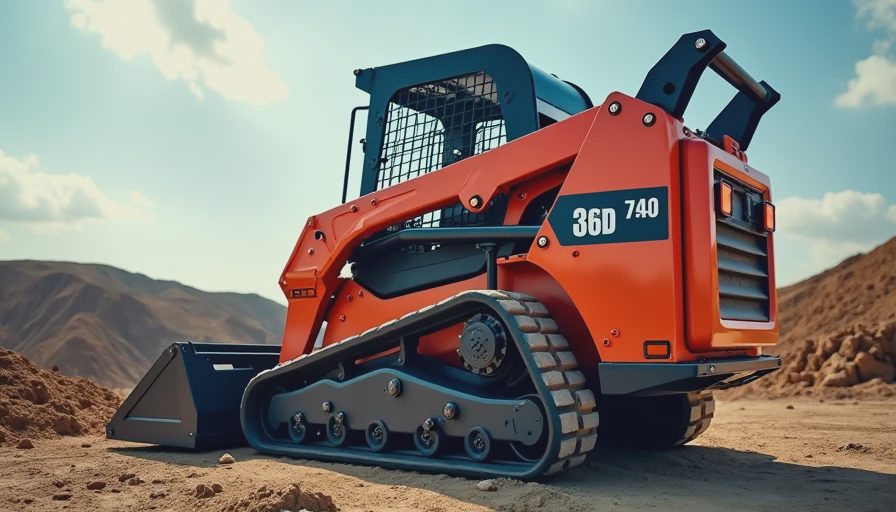
A new bobcat skid steer typically brings warranty coverage, current safety features, improved cab comfort, and a known starting point. It also brings a large payment and depreciation during the first years. Depending on size, configuration, tires or tracks, and options, a new machine can move from the lower five figures into six-figure territory once attachments and delivery are included.
Used equipment can deliver better value, but only when the inspection is disciplined. A three-year-old loader with 2,000 hours and complete service records may be safer than a low-hour machine that sat outside, ran hot, or suffered repeated electrical faults. Auction pricing can look attractive until you add buyer fees, transport, repairs, tires, and an attachment package. Reserve at least a repair allowance rather than spending every dollar on the winning bid.
For a bobcat skid steer, ownership cost is more than the monthly note. Track replacement, tires, cutting edges, filters, hydraulic oil, DEF on applicable models, and downtime all belong in the spreadsheet. If a loader bills at $110 per hour but loses two working days to a hydraulic repair, the lost production can exceed the parts invoice. Fleet managers should record fuel gallons, service hours, and repair dollars by machine, not blend them into one fleet average.
Inspecting a used bobcat skid steer before payment
Start cold. Ask the seller not to warm the engine before you arrive. Cold starts expose weak batteries, excessive smoke, hard starting, and noisy accessory drives. Check engine oil, coolant, hydraulic oil, and final-drive lubricant for the correct level and signs of water or metal. Pull fluid samples when the purchase price justifies it; a laboratory report is cheap compared with an engine or hydrostatic repair.
Walk around the undercarriage and loader linkage. Look for fresh paint over welds, cracked arms, elongated pin bores, bent cylinders, and grease that appears only on visible fittings. Lift the machine safely and inspect tire sidewalls or track condition. On tracked units, measure wear rather than accepting “good tracks” as a description. Uneven sprocket wear and loose rollers can turn a routine purchase into a several-thousand-dollar correction.
A used bobcat skid steer should run every function under load. Drive forward and reverse in both directions, make several turns, raise and lower the arms, curl the bucket, and test auxiliary hydraulics with the correct attachment if possible. Notice whether one side pulls, whether the drive motors growl, and whether the machine creeps with controls neutral. Those are clues, not final diagnoses, but clues are what prevent expensive surprises.
Model selection, controls, and operator fatigue
Model size matters, but so does the person operating it eight hours a day. A cramped cab, poor sightlines, stiff controls, or a weak HVAC system creates fatigue that shows up as slower cycles and careless damage. Sit in the cab with the door closed. Adjust the seat, test the restraint system, inspect the display, and confirm that every switch works. Compare standard hand controls with selectable control patterns if multiple operators will use the machine.
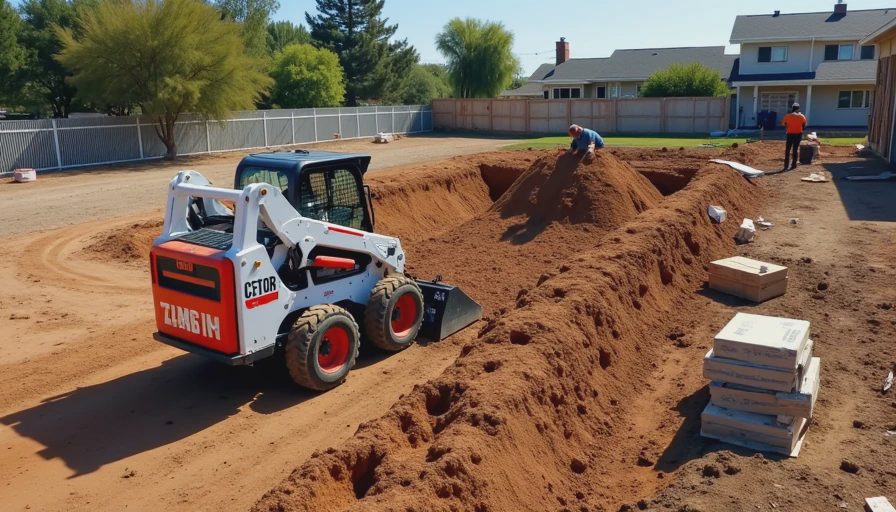
Visibility around the bucket and rear corners deserves a practical test. Park near a simulated trench, pallet, or spoil pile and ask what the operator can see without leaning, guessing, or relying entirely on a spotter. Cameras and sensors help, but they do not replace mirrors, clean glass, and sensible work habits. The best bobcat skid steer is the one your crew can place accurately without fighting the controls.
Maintenance that protects the investment
Grease loader-arm and bucket-linkage points on the schedule specified for the model and workload. Dusty sites demand more attention than clean warehouse yards. Keep the radiator and charge-air cooler clear, especially when cutting brush or working in dry soil. Restricted cooling airflow raises temperatures and shortens hydraulic and engine life.
Use the correct filters and fluids, and record the date, hour meter, product, and technician. Cut open filters when a machine has an unexplained noise or temperature problem. A small amount of normal debris is different from bright metal, rubber fragments, or a heavy sludge load. Those findings should stop a purchase or trigger immediate diagnosis.
For a bobcat skid steer working around concrete, demolition debris, or abrasive soil, inspect hoses daily. A pinhole hydraulic leak can inject oil through skin and requires urgent medical treatment; never search for leaks with your hand. Shut down, relieve pressure, and use cardboard or proper tools. Safe maintenance is not paperwork. It is how you keep a productive machine and a healthy operator.
The purchase decision in plain numbers
Build a simple comparison using purchase price, hours, expected annual use, fuel, scheduled maintenance, insurance, transport, and a repair reserve. Compare a $55,000 used unit needing $8,000 in tires and hydraulic work with a $78,000 machine that is ready to bill tomorrow. The cheaper invoice is not automatically the cheaper machine.
Before buying a bobcat skid steer, obtain the serial number, maintenance records, lien information, warranty terms, and a written list of included attachments. Run the machine long enough to reach operating temperature, not just long enough to make the seller comfortable. If the seller refuses a cold start, fluid sample, or independent inspection, treat that refusal as data.
I will take documented service history over shiny panels every time. Buy the capacity your work actually demands, keep a repair reserve, and measure cost per operating hour after delivery. A skid steer is a tool, not a status symbol. Hours logged, fluid samples pulled, and parts replaced tell you whether it is earning its keep. Iron tested. Iron told.

00 Transmissions
No transmissions yet. Yours opens the channel.