A mini dozer earns its keep where a full-size crawler becomes expensive, awkward, or simply too heavy for the jobsite. I have watched contractors use a mini dozer for driveway work, utility trench backfill, finish grading, brush clearing, and tight residential lots. The right machine can replace hours of skid-steer pushing and hand grading. The wrong one becomes a slow, underpowered repair bill with tracks.
The first question is not which paint color looks best. It is whether the machine matches the material, travel distance, slope, and finish standard you need. A 5,000-pound crawler can be excellent for light dirt and landscaping, but it will not push wet clay like a 12,000-pound machine. The iron does not lie. Weight, hydraulic response, and undercarriage condition tell you more than a glossy brochure.
What a Mini Dozer Can Actually Handle
Most machines in this class sit below conventional construction dozers such as a CAT D3 or John Deere 450. Depending on the model, operating weight commonly falls between roughly 4,000 and 15,000 pounds. That range is wide enough to create two very different machines under one search term.
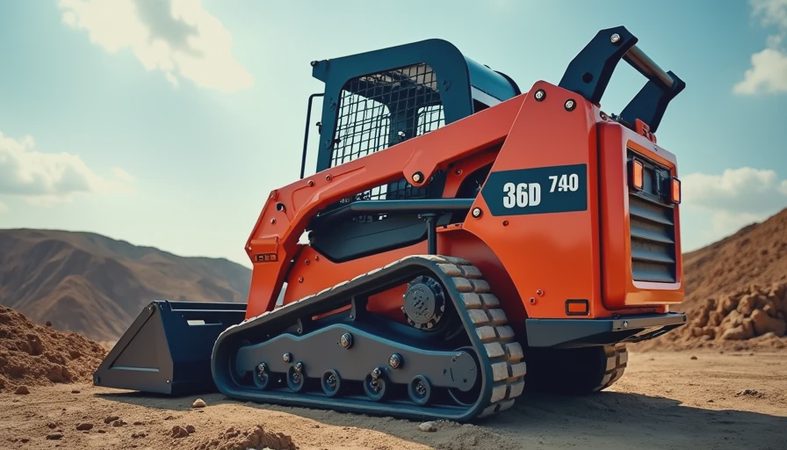
A small unit with a six-way blade is useful for spreading topsoil, cutting shallow drainage, leveling gravel, and shaping access paths. It is also easier to transport on a tag trailer, which can save mobilization money for a contractor working across several small jobs. A heavier machine with a fixed or hydraulic angle blade can tackle harder ground, but trailer requirements, fuel use, and ground pressure rise with it.
Look at blade lift height, blade angle, tilt capability, ground clearance, and the operator's view over the cutting edge. A six-way blade is valuable for finish work because the operator can control pitch and side-to-side angle without repositioning the whole machine. For repeated production pushing, however, simple blade geometry and strong forward traction often matter more than an impressive feature list.

Powertrain and Hydraulic Checks That Matter
Horsepower is only part of the story. A mini dozer needs usable torque at low speed, smooth hydrostatic control, and enough hydraulic capacity to move the blade without constant engine lugging. On a demonstration, push into a firm pile, then listen when the track speed drops. A healthy system should load predictably. Surging, whining, or a sudden loss of travel speed deserves investigation.
Start the inspection cold. Ask the seller not to warm the engine before arrival. Check oil level and condition, coolant contamination, exhaust smoke, and the time required to build normal operating temperature. A cold-start rattle that disappears after five minutes may still point to injector, valve-train, or lubrication trouble.
Hydraulic oil should not smell burned or look heavily contaminated. Pull a sample if the purchase price justifies it; a laboratory report can identify wear metals, coolant, water, and dirt that a visual inspection misses. On a machine costing $35,000 to $90,000, a fluid analysis costing roughly $30 to $75 is cheap evidence.
Travel both directions at low and high speed. If one side is noticeably weaker, the cause could be a final drive, hydraulic motor, control valve, track tension problem, or relief-valve setting. Here is the symptom: uneven travel. Here is the root cause to find: unequal power delivery or mechanical resistance. Here is what to do: test pressures and temperatures before negotiating a price.
The Undercarriage Is Where Deals Go to Die
Tracks are consumable components, not permanent equipment. On a used mini dozer, inspect bushings, sprocket teeth, idlers, rollers, track pads, and adjuster position. Measure rather than guessing. A worn sprocket can accelerate chain wear, while an over-tightened track can damage bearings and final-drive components.
Replacement cost varies by size and brand, but a complete undercarriage job can easily reach $5,000 to $15,000 on a compact crawler once parts and labor are included. A machine advertised at $48,000 is not a bargain if it needs tracks, rollers, and a final drive immediately. That is how a reasonable purchase becomes an $60,000 machine before the first productive hour.
Check for packed dirt around the rollers and look behind guards for oil leaks. Freshly pressure-washed components deserve extra attention. Mud can hide a leaking seal, and new paint around pins or blade mounts can conceal repairs. On a mini dozer, small final drives often operate under heavy load because the machine has limited mass for traction. Keep the inspection slow and physical.
New Versus Used: Run the Numbers First
New machines from brands such as CAT, John Deere, Komatsu, Kubota, and Bobcat typically bring warranty coverage, current emissions equipment, dealer support, and a known service history. Those advantages can justify a purchase price in the $60,000 to $120,000 range depending on size, blade configuration, attachments, and regional pricing. The payment is higher, but predictable uptime matters when a contractor has a crew waiting.
A used mini dozer can make more sense for seasonal work or a small owner-operator. Older units sometimes use simpler mechanical systems and can be repaired without dealer software. The tradeoff is documentation. Demand service records, hour-meter photos, recent fluid samples, and evidence of cooling-system maintenance. An hour meter showing 2,400 hours means little if the pedals, seat, blade pins, and controls look like they have seen 8,000.
Build a repair reserve before buying. For an older machine, I would want several thousand dollars available for hoses, seals, electrical faults, and track work. If the purchase consumes every dollar in the account, it is not affordable equipment; it is a liability with a blade.

Match the Machine to the Jobsite
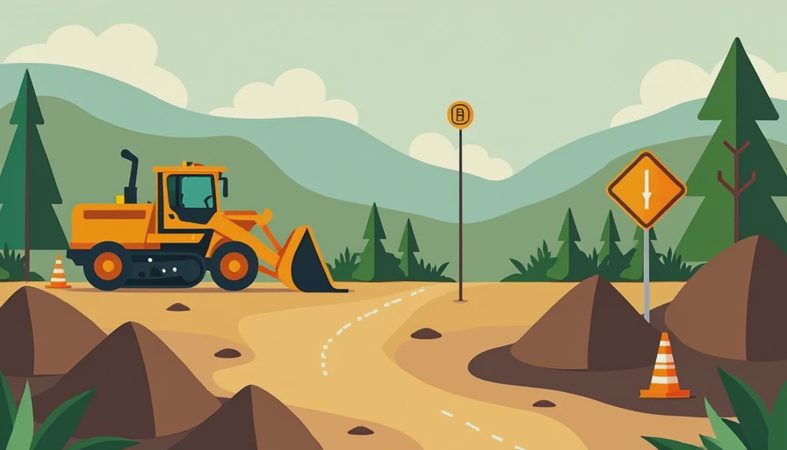
For residential grading, a compact unit with a six-way blade and narrow transport width can be more productive than a heavier crawler that cannot access the lot. For land clearing, prioritize visibility, guarding, cooling capacity, and the ability to push roots without overheating. For road building, operating weight and blade control become more important because the machine must carry material and establish consistent crown or drainage.
Ask how far the machine will travel under its own power. Long moves consume track life and operator time. A trailer, ramps, tie-down points, and the towing vehicle belong in the ownership calculation. Also consider ground conditions. A low-ground-pressure machine may float better on soft soil, while a heavier unit can cut and compact more effectively on firm aggregate.
An operator who works eight hours in the seat will notice control layout, vibration, visibility, and access panels long before a buyer reading specifications does. Sit in the cab with the blade down, cycle every control, and check whether routine grease points are reachable without climbing over hot components. Five minutes of awkward maintenance repeated daily becomes a real operating cost.
A Practical Inspection Checklist
Before signing a purchase order, complete the inspection in this sequence:
- Verify the serial number, hour meter, ownership history, and service invoices.
- Inspect the cold engine for leaks, smoke, blow-by, and coolant or oil contamination.
- Test travel in both directions, including turns under load and on a slope where safe.
- Cycle the blade repeatedly while watching for drift, chatter, slow response, or hose damage.
- Measure track and sprocket wear instead of relying on the seller's estimate.
- Inspect welds on the blade, arms, frame, and ROPS or cab structure.
- Pull engine and hydraulic oil samples when the purchase price warrants it.
- Price every immediate repair using local parts and labor, not optimistic internet listings.
A dealer inspection is useful, but it is not independent proof. Ask for written findings and photographs of defects. If the seller will not allow a cold start, pressure test, or fluid sample, treat that refusal as information.
The best mini dozer is not automatically the newest, cheapest, or most powerful. It is the machine whose weight, blade, controls, and support network fit the work you actually sell. Compare total cost over the first 1,000 hours: purchase, transport, fuel, scheduled service, track wear, repairs, and financing. That number beats brochure horsepower every time.
Hours logged: inspection data beats a demo lap. Fluid samples pulled: the ones that answer expensive questions. Parts replaced: none until the evidence says they are needed. Iron tested. Iron told.
00 Transmissions
No transmissions yet. Yours opens the channel.